Leave Your Message

High-Quality Mica Powder from China - Trusted Suppliers and Factory for Various Industrial Applications

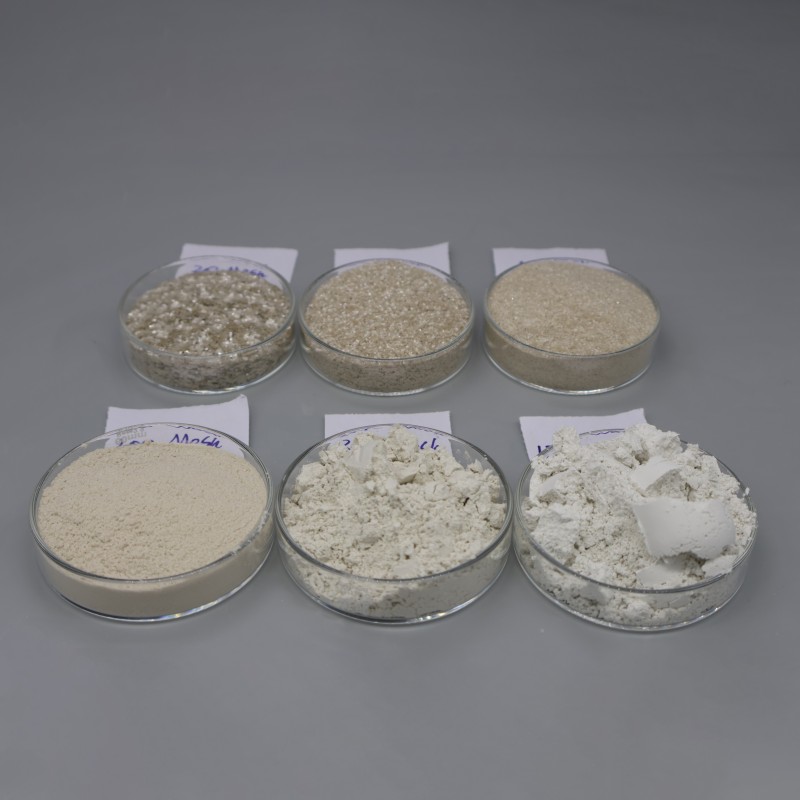
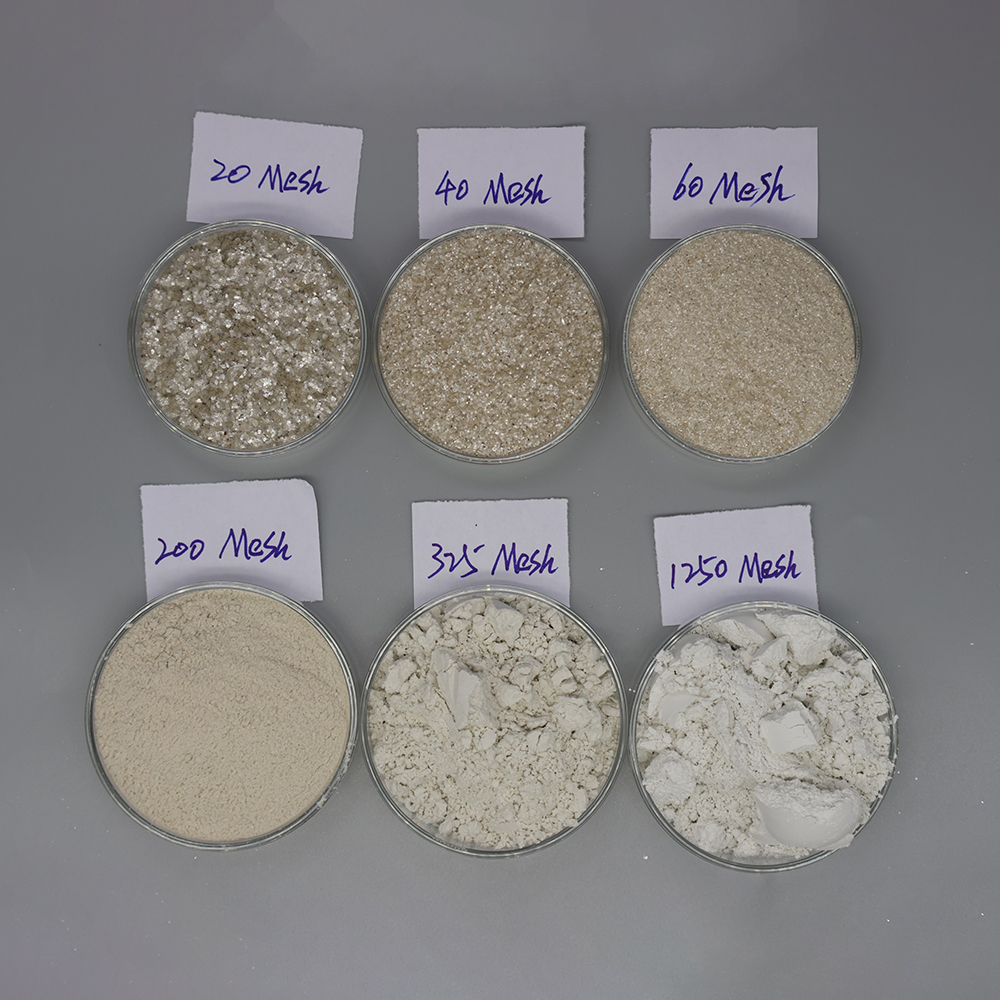
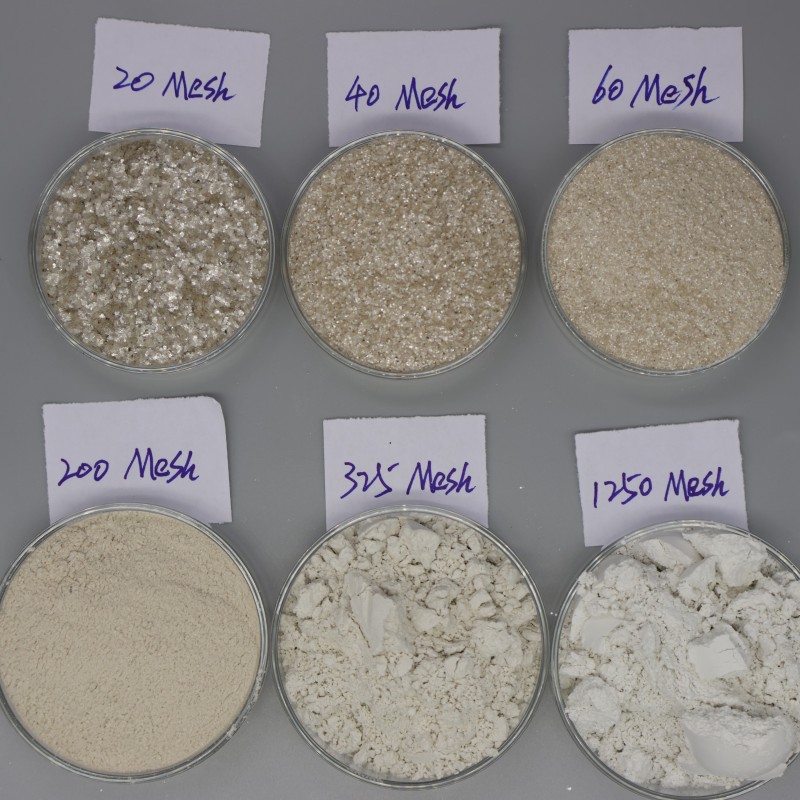
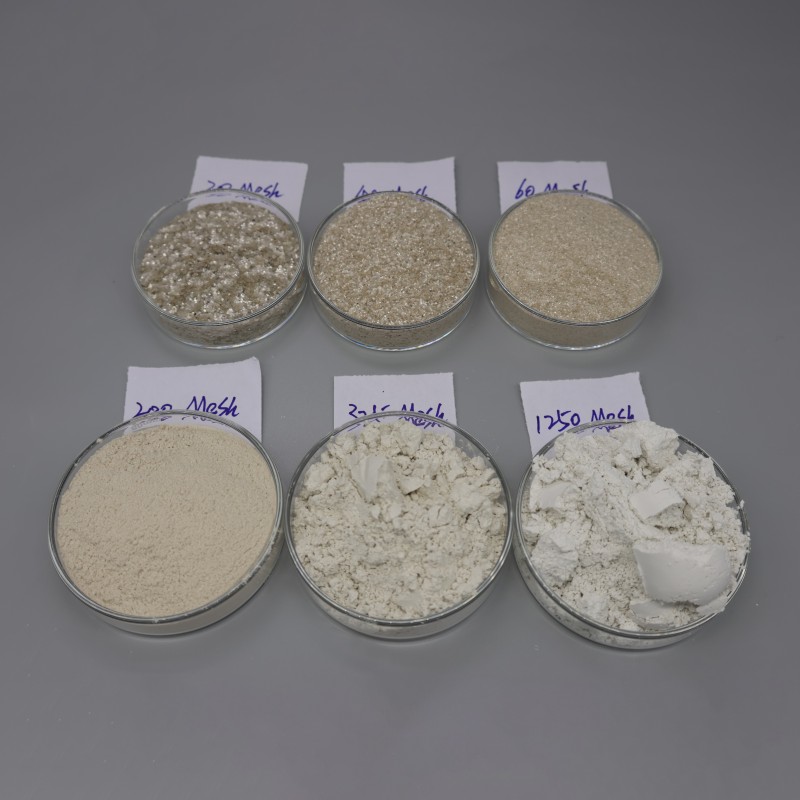
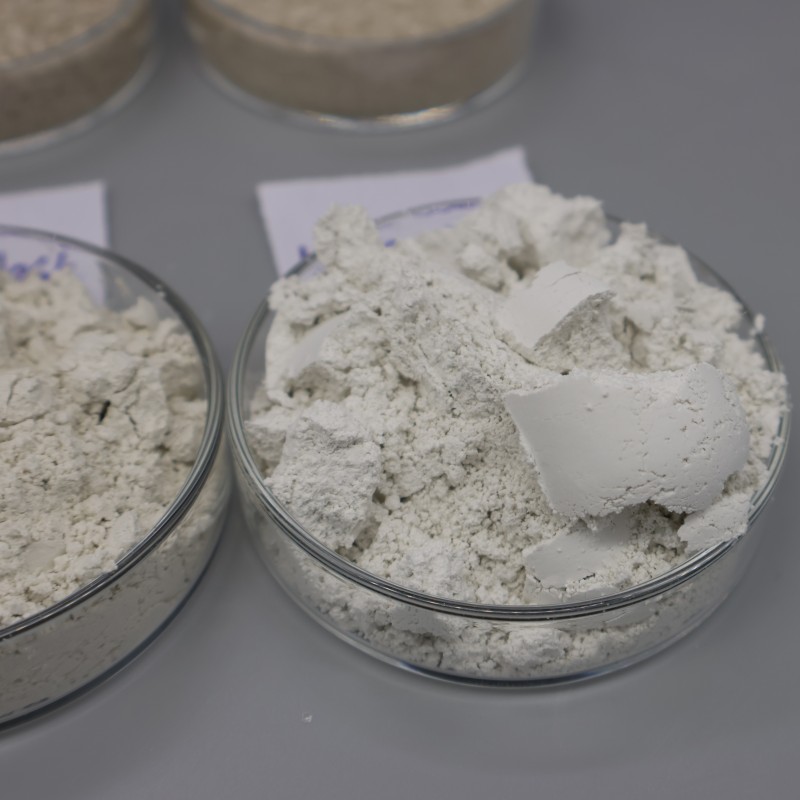
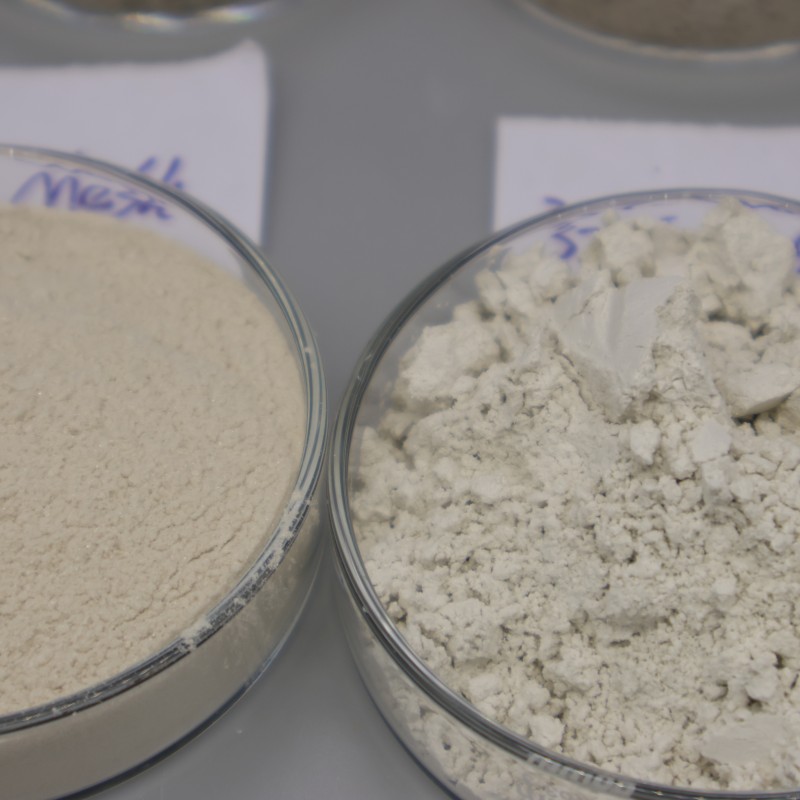
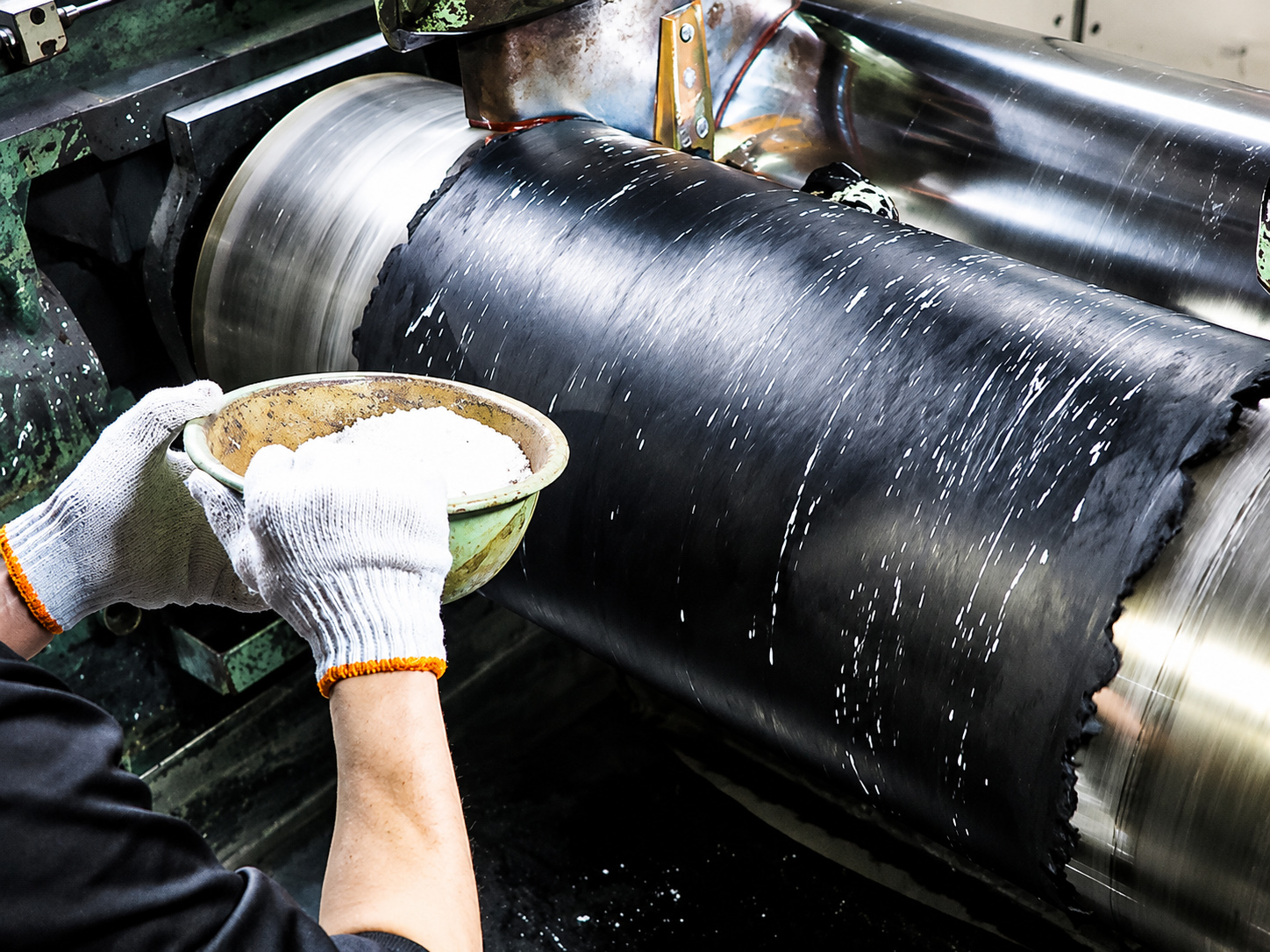
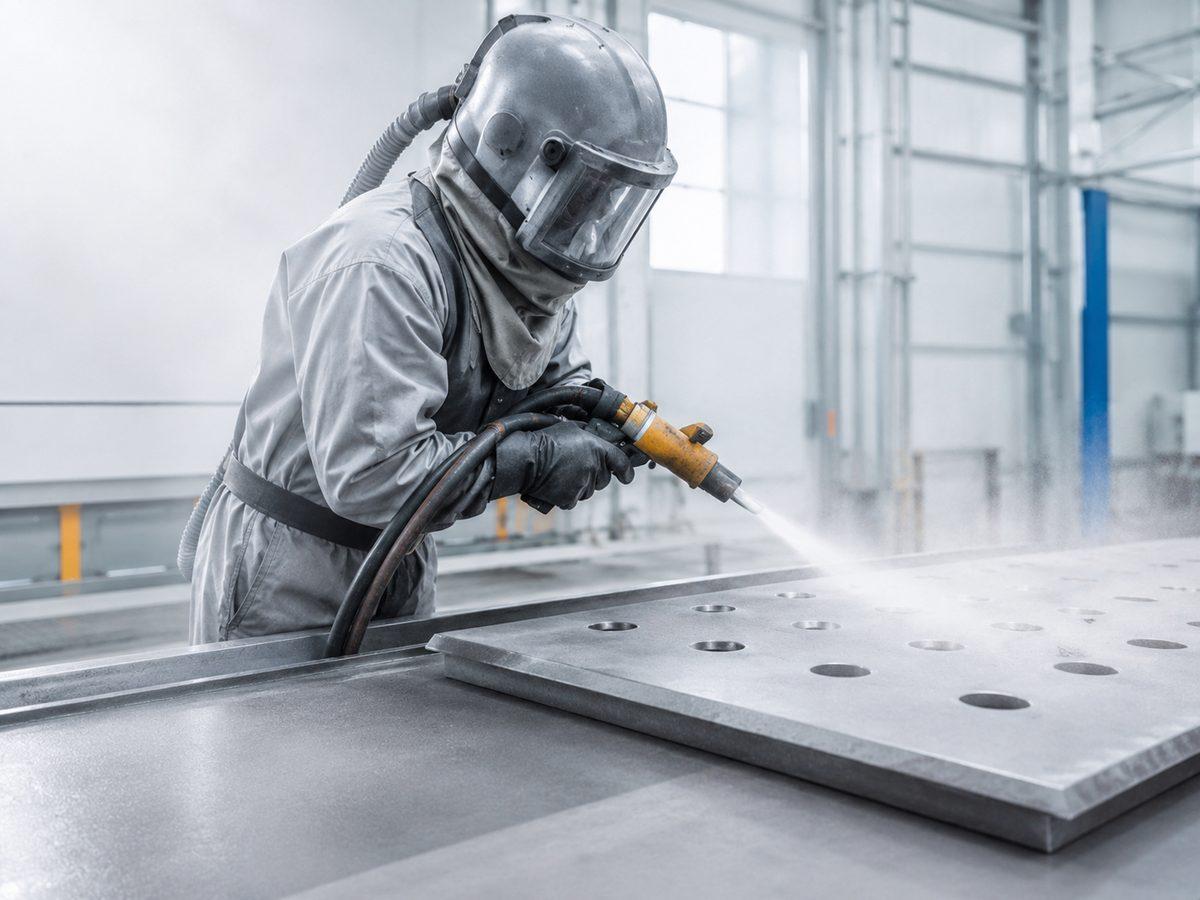
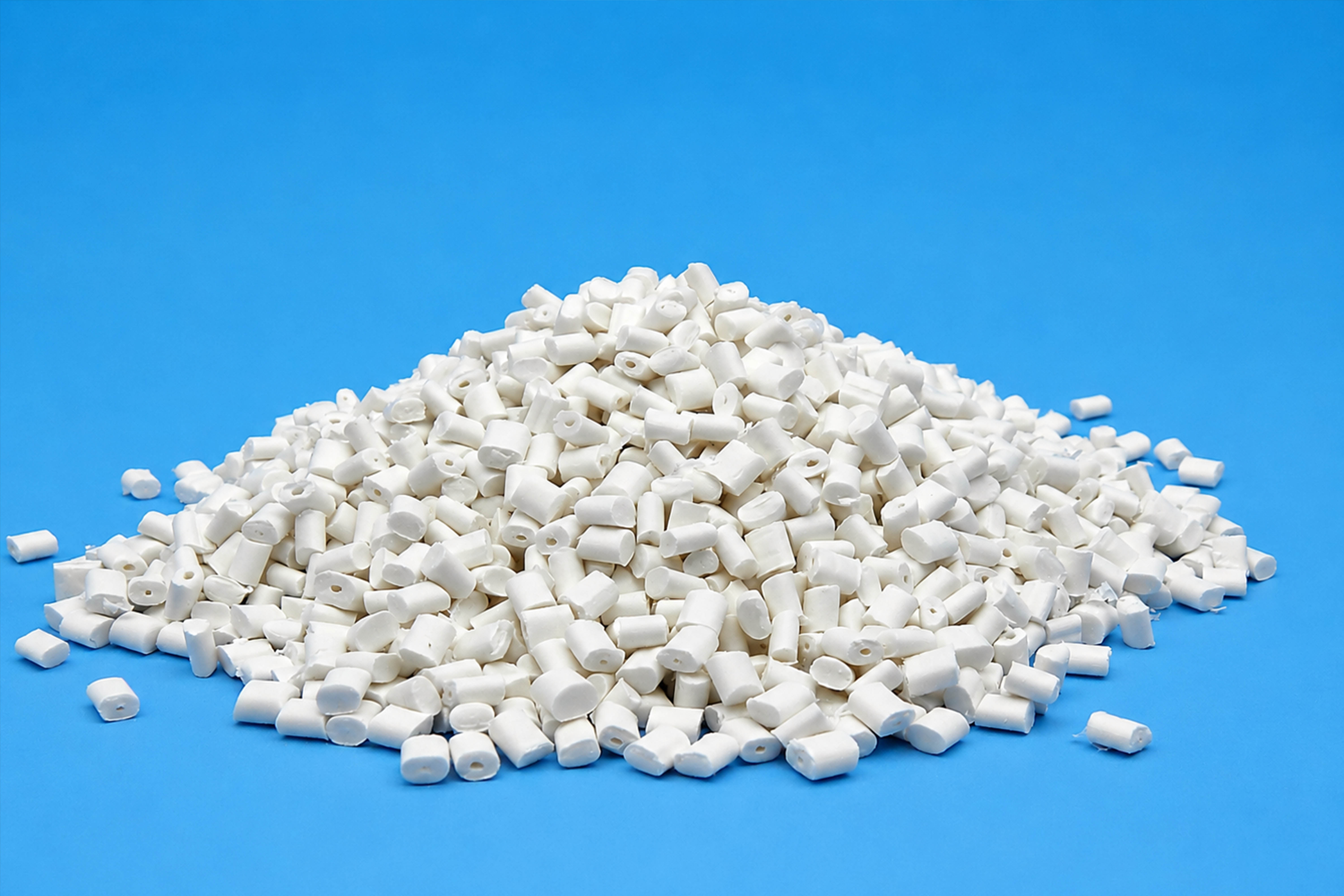
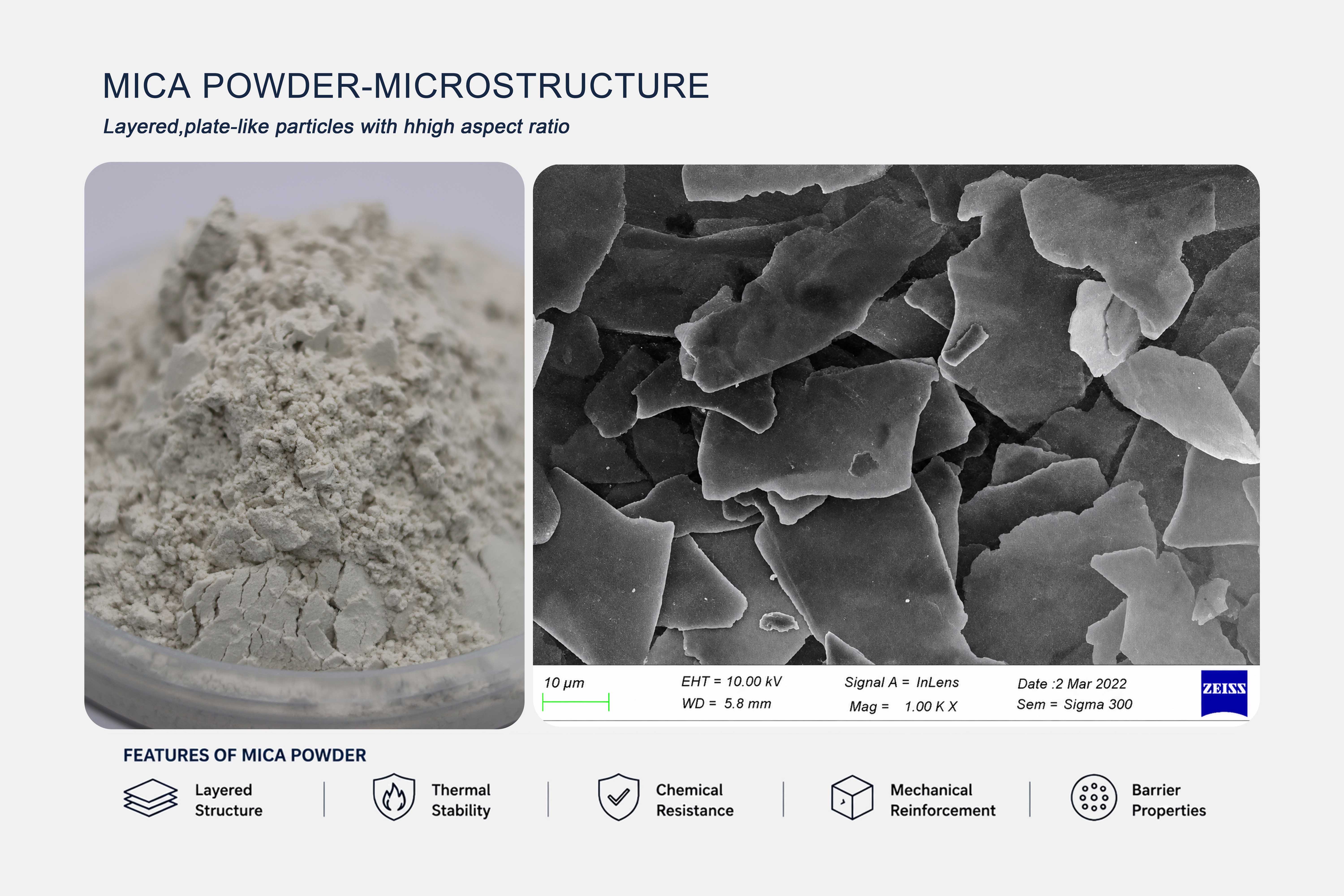
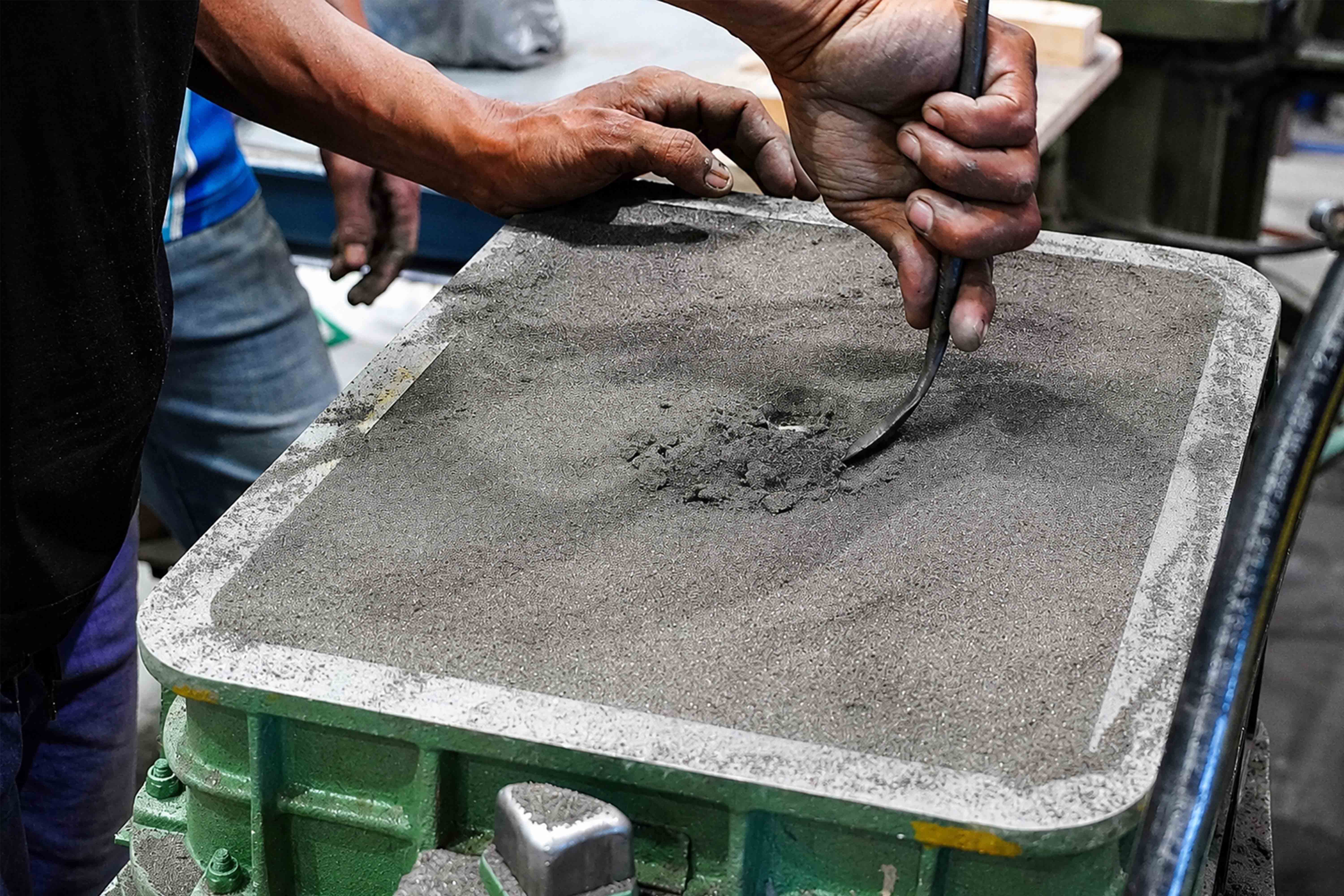
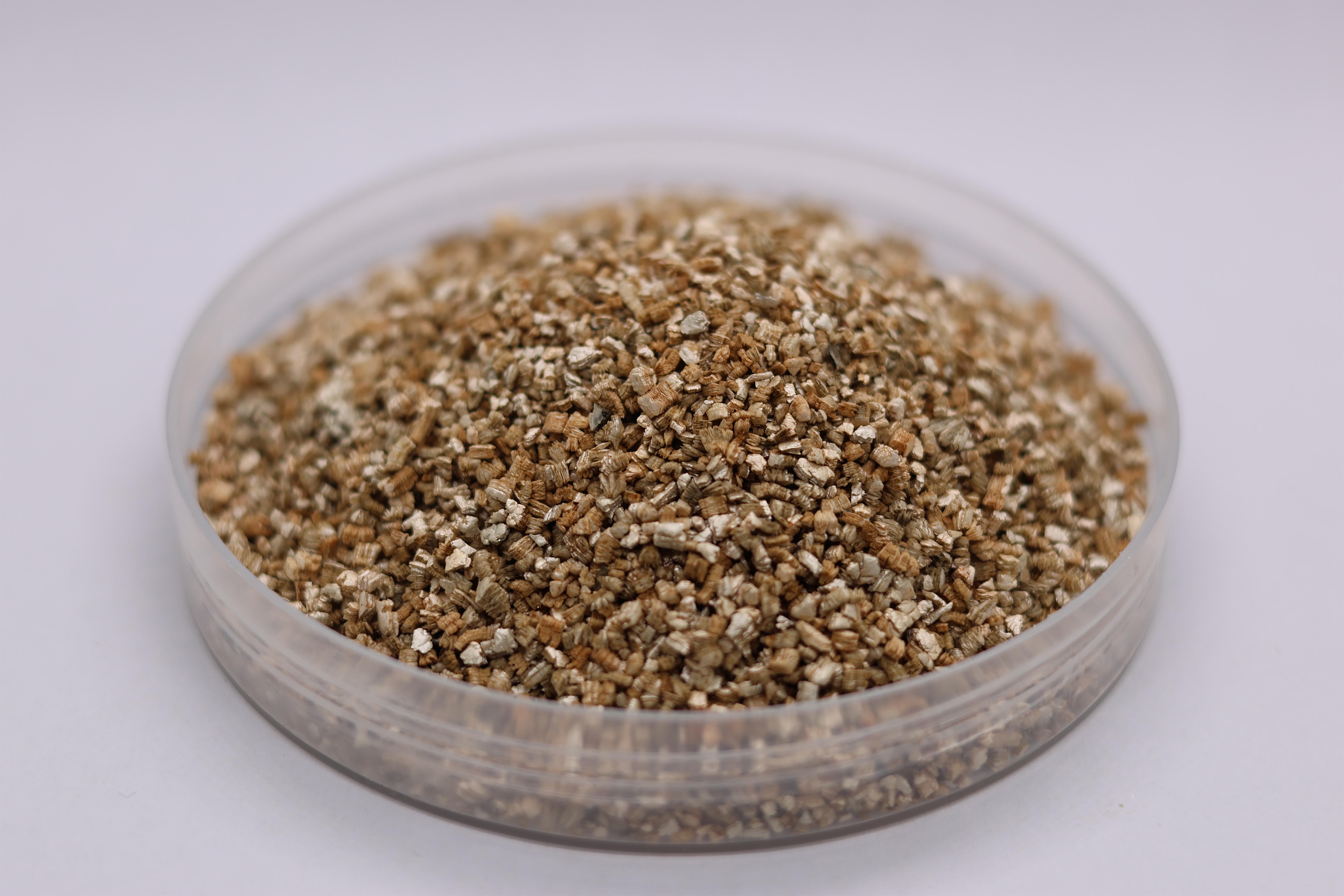
Mica powder, sourced from natural mica minerals, is a functional non-metallic material with a unique layered crystal structure. This powder offers excellent flake morphology, outstanding chemical stability, high temperature resistance, electrical insulation, and low thermal conductivity, making it a versatile addition to various industrial formulations. Due to these exceptional properties, mica powder finds extensive applications in coatings, paints, plastics, rubber, ceramics, construction materials, cosmetics, friction materials, welding materials, insulation materials, and much more. As a mineral filler, mica powder not only aids in cost control but also significantly enhances performance. Its natural flake structure enhances barrier properties, dimensional stability, anti-cracking capabilities, heat resistance, and surface smoothness. In coating systems, mica powder effectively extends the penetration path for moisture and corrosive substances. When utilized in plastics and rubber, it improves stiffness, dimensional stability, and processing characteristics. Moreover, certain grades of mica powder for cosmetic applications can deliver a smooth texture and brilliant pearlescent effects. At WANCHENG MINERAL, a leading supplier and factory of mica powder in China, we offer a wide variety of mica products, including muscovite mica powder, dry ground mica powder, wet ground mica powder, sericite mica powder, calcined mica powder, colored mica powder, and customized mica solutions. Our diverse production methods yield different particle shapes, brightness levels, purity standards, and surface properties, allowing customers to select the ideal grade based on application needs, particle size, whiteness, oil absorption, aspect ratio, and formulation specifications. For international industrial buyers, selecting the appropriate mica powder is crucial. A mica product designed for decorative coatings may not perform optimally in engineering plastics, and cosmetic-grade mica often requires different purity, softness, color, and particle size specifications compared to industrial filler grades. WANCHENG MINERAL is committed to providing technical support, sample availability, customized packaging, and reliable bulk supply for customers worldwide, ensuring you get the best mica solutions tailored to your needs.

    This is a paragraph

    This is a paragraph

    This is a paragraph

    Chemical Composition Analysis
    Chemical Component Typical Content Description
    SiO2 40% - 50% Main silicate component
    Al2O3 20% - 38% Main alumina component
    K2O 6% - 11% Typical mica alkali component
    Fe2O3 0.5% - 6% Varies by mica type and color
    MgO 0.5% - 5% Varies by mica type
    CaO < 2% Minor component
    Na2O < 1.5% Minor alkali component
    Loss on Ignition Varies by grade Depends on mineral type and processing
    Frequently Asked Questions
    What are the primary chemical components of mica?

    The predominant components of mica are Silicon Dioxide (SiO2), making up 40% to 50%, and Aluminum Oxide (Al2O3), accounting for 20% to 38% of its total composition. Together, they form the core aluminosilicate crystal structure.

    Why does the Iron Oxide (Fe2O3) content vary in mica?

    Fe2O3 ranges between 0.5% and 6% depending directly on the mineral type and geographical source. Higher iron content typically imparts darker coloration to the mica, such as in phlogopite or biotite, compared to low-iron muscovite.

    What role does Potassium Oxide (K2O) play in mica?

    Potassium Oxide (6% - 11%) serves as the typical interlayer alkali cation that binds the tetrahedral-octahedral-tetrahedral (T-O-T) sheets together, which gives mica its characteristic basal cleavage and high dielectric strength.

    What are the typical trace or minor components in mica?

    Minor components include Magnesium Oxide (MgO, 0.5% - 5%), Calcium Oxide (CaO, < 2%), and Sodium Oxide (Na2O, < 1.5%). These variations occur naturally based on the mineral deposit environment.

    What does Loss on Ignition (LOI) indicate for mica?

    Loss on Ignition indicates the release of structural hydroxyl (OH) water and volatile elements when heated at elevated temperatures. The exact percentage depends on the specific mineral grade and refining process.

    This is a paragraph

    This is a paragraph

    This is a paragraph

    This is a paragraph

    This is a paragraph

    This is a paragraph

    This is a paragraph

    This is a paragraph

    This is a paragraph

    This is a paragraph

    This is a paragraph

    This is a paragraph

    This is a paragraph

    This is a paragraph

    This is a paragraph

    Application Image Grid Placeholder

    FAQ

    • This is a paragraph

    • This is a paragraph

    • This is a paragraph

    • This is a paragraph

    • This is a paragraph

    • This is a paragraph

    • This is a paragraph

    • This is a paragraph

      This is a paragraph

    This is a paragraph

    This is a paragraph

    This is a paragraph
    This is a paragraph