


This is a paragraph
This is a paragraph

Hot Products
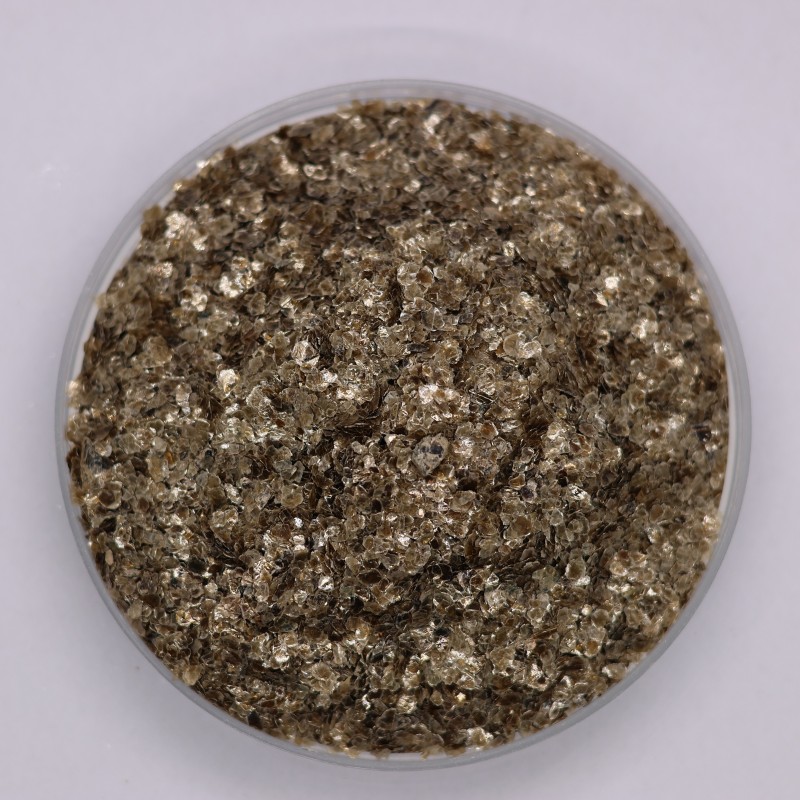
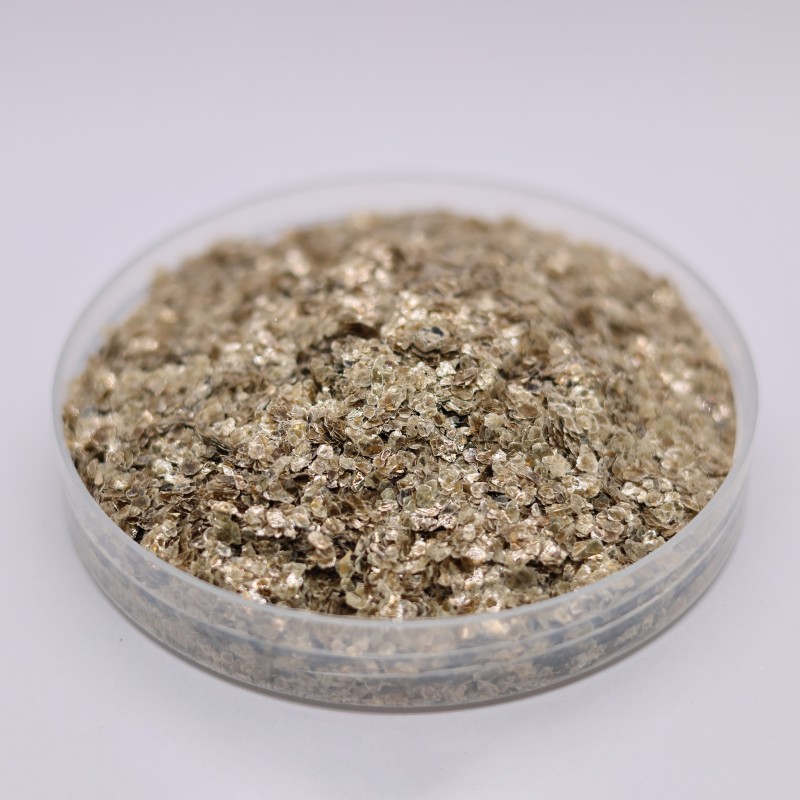
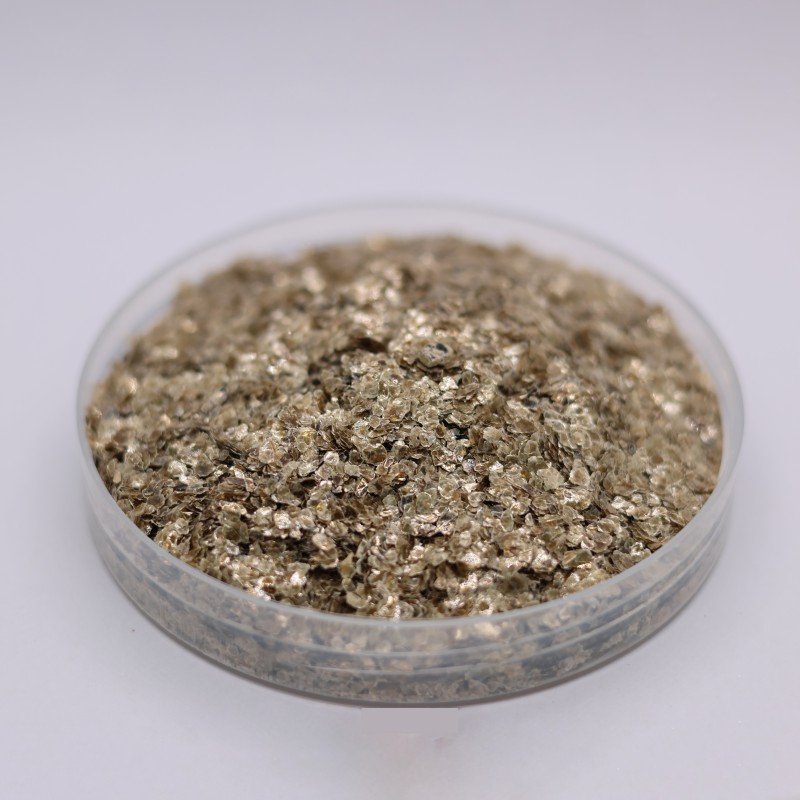
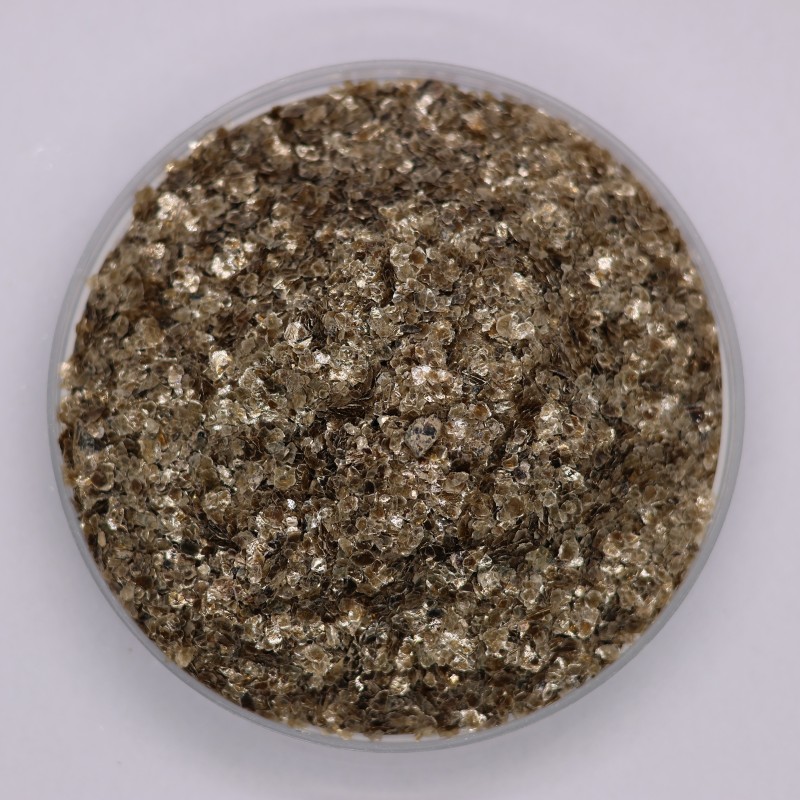
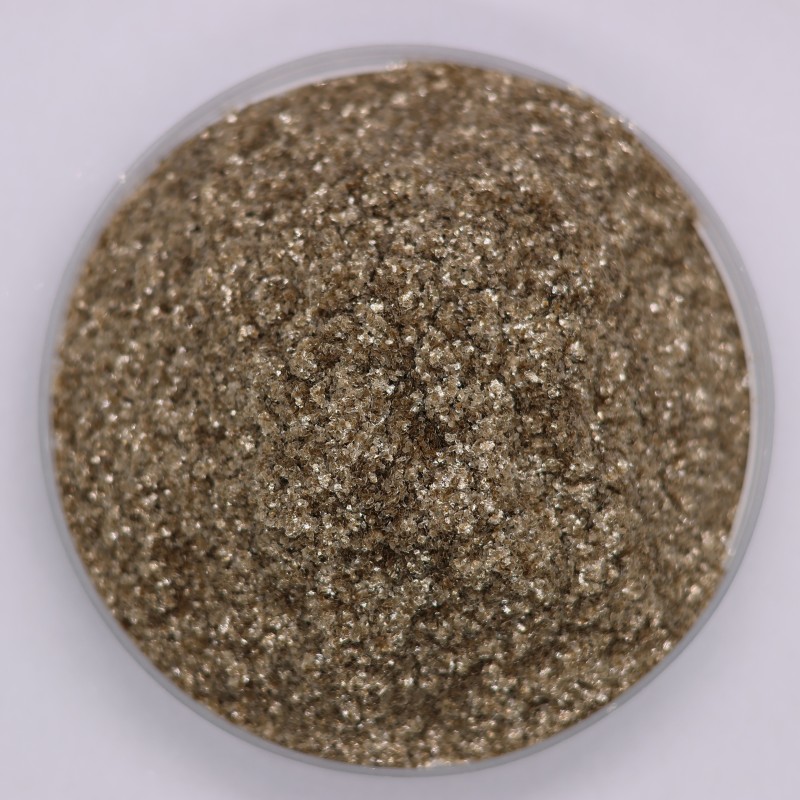
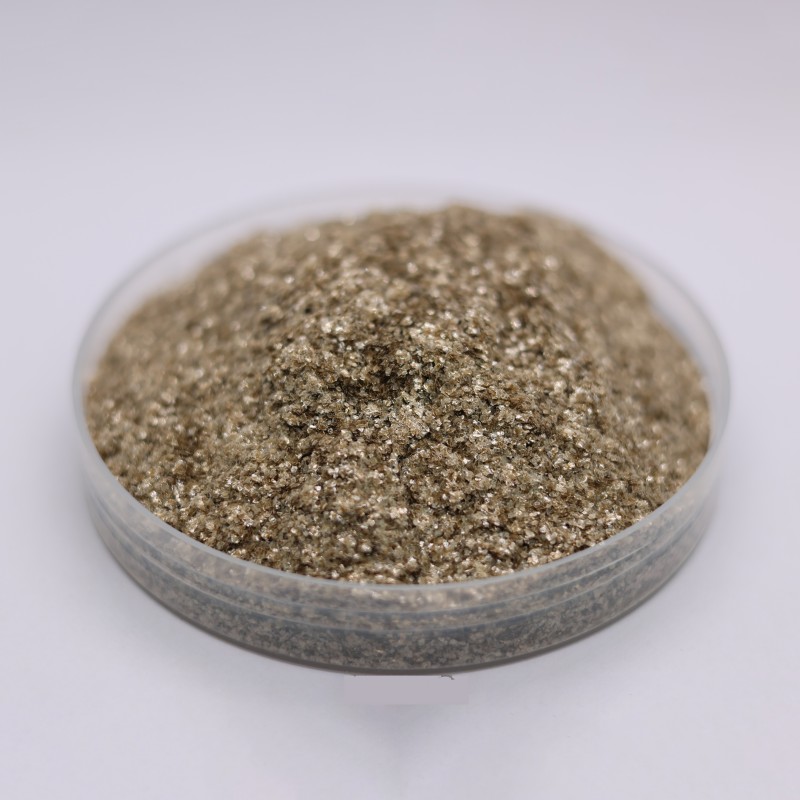
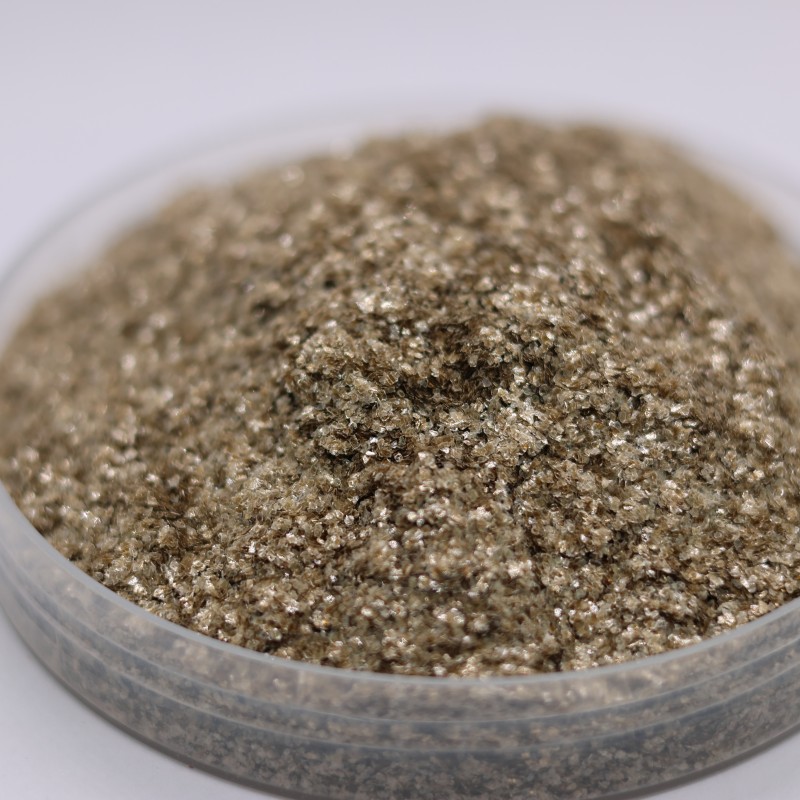
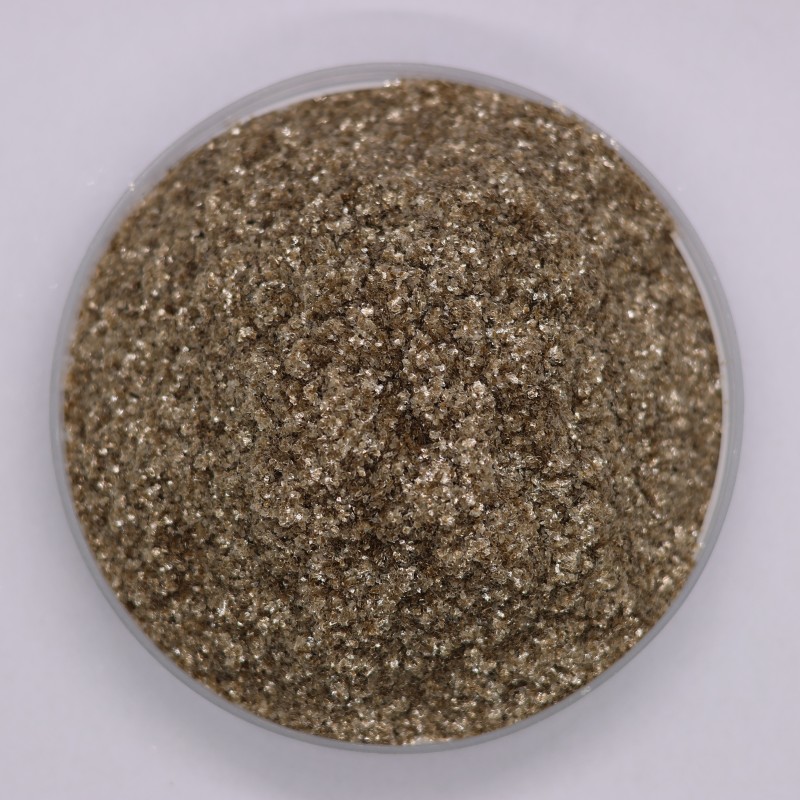
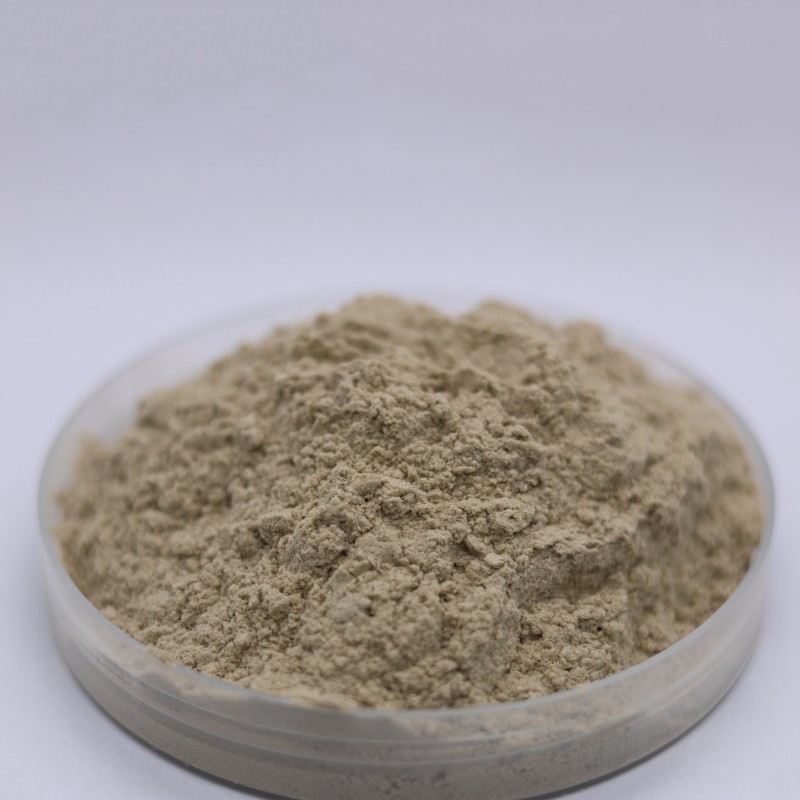
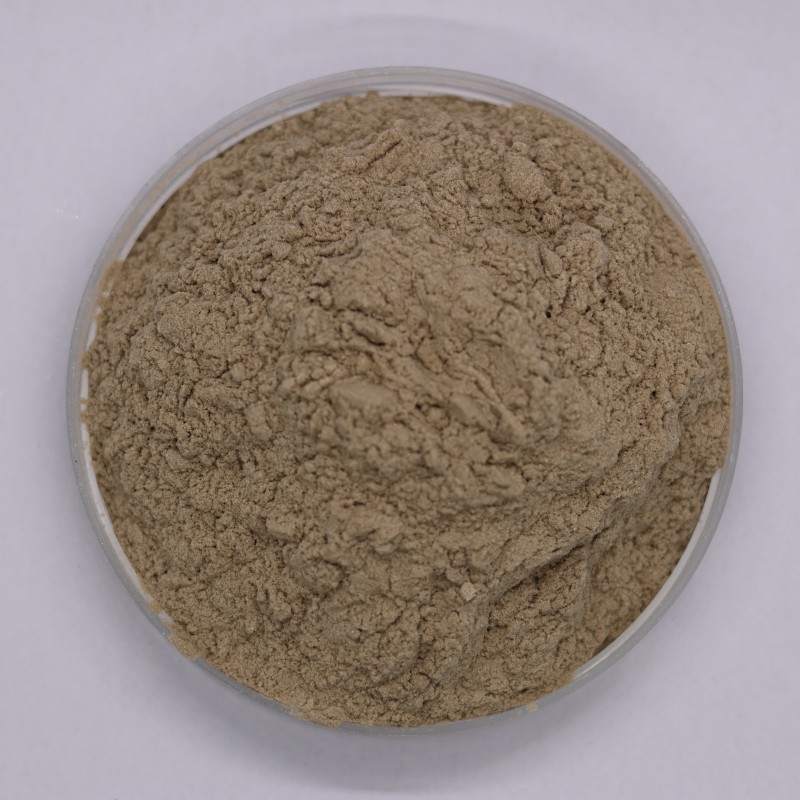
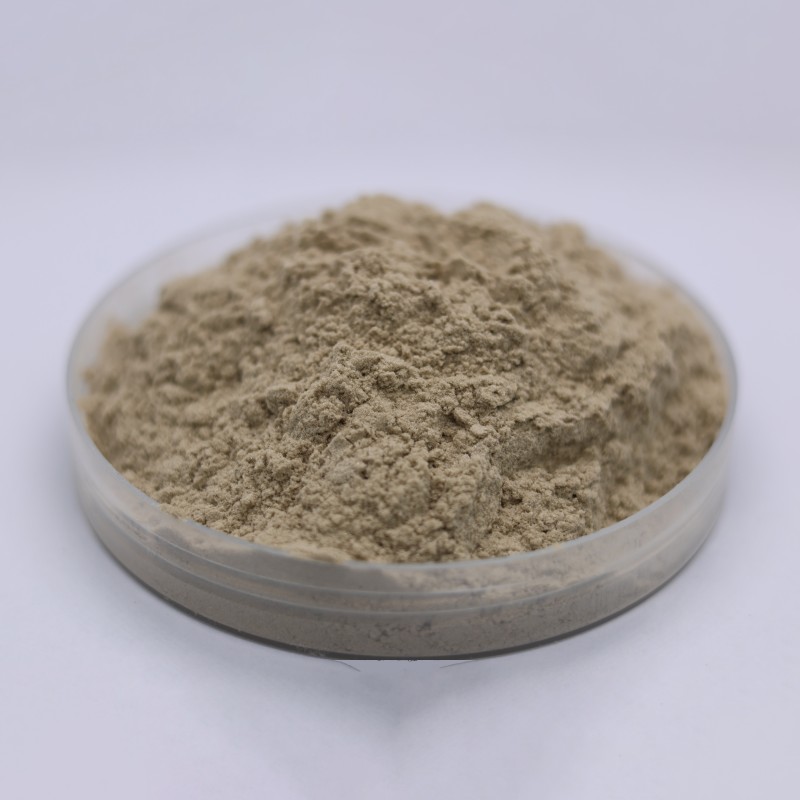
High-Quality Phlogopite Mica Powder from China - Reliable Suppliers and Factory for Industrial Applications
| Chemical Component | Typical Content | Description |
|---|---|---|
| SiO2 | 38% - 45% | Main silicate component |
| MgO | 18% - 29% | Key magnesium component of phlogopite |
| Al2O3 | 10% - 17% | Aluminosilicate component |
| K2O | 7% - 11% | Typical mica alkali component |
| Fe2O3 | 1% - 8% | Affects color and mineral characteristics |
| F | 0.5% - 3% | May vary by ore source |
| CaO | ≤ 2% | Minor component |
| Na2O | ≤ 1.5% | Minor alkali component |
| Loss on Ignition | 2% - 5% | Reference value, batch dependent |
Frequently Asked Questions
Q
What is the primary chemical component of phlogopite mica?
The primary component is Silicon Dioxide (SiO2), which typically ranges between 38% and 45%, forming the main silicate backbone of the mineral structure.
Q
Why is Magnesium Oxide (MgO) significant in phlogopite?
Magnesium Oxide (MgO), present at 18% to 29%, is the defining chemical signature of phlogopite mica (also known as magnesium mica), distinguishing it from muscovite and granting it superior thermal resistance.
Q
How does Iron Oxide (Fe2O3) content affect the mineral?
Iron Oxide (Fe2O3) content typically ranges from 1% to 8% and directly influences the mineral's coloration (ranging from amber to dark brown) as well as its electrical and thermal characteristics.
Q
What causes variations in Fluorine (F) content?
Fluorine (F) content ranges from 0.5% to 3% and varies primarily based on the specific geological ore source and formation conditions of the deposit.
Q
What does the Loss on Ignition (LOI) value represent?
The Loss on Ignition value (2% - 5%) measures the release of volatile substances (primarily structural moisture and hydroxyl groups) when exposed to elevated temperatures, serving as a batch-dependent reference for thermal stability.
Q
What are the minor components found in this chemical composition?
Minor components include Calcium Oxide (CaO ≤ 2%) and Sodium Oxide (Na2O ≤ 1.5%), which act as secondary constituents within the crystal matrix.
This is a paragraph
This is a paragraph
This is a paragraph
This is a paragraph
This is a paragraph
This is a paragraph
This is a paragraph
This is a paragraph
This is a paragraph
This is a paragraph
This is a paragraph
-
This is a paragraph
-
This is a paragraph
-
This is a paragraph
-
This is a paragraph
-
This is a paragraph
-
This is a paragraph
-
This is a paragraph
-
This is a paragraph
This is a paragraph