Leave Your Message

Lepidolite Mica Powder Suppliers in China - Quality Factory Production for Industrial Applications

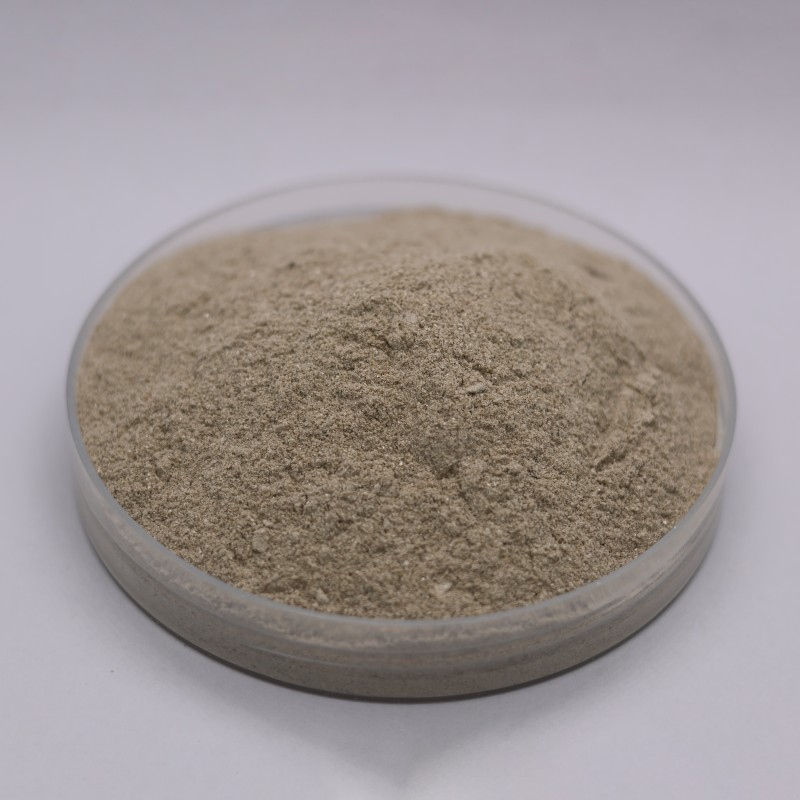
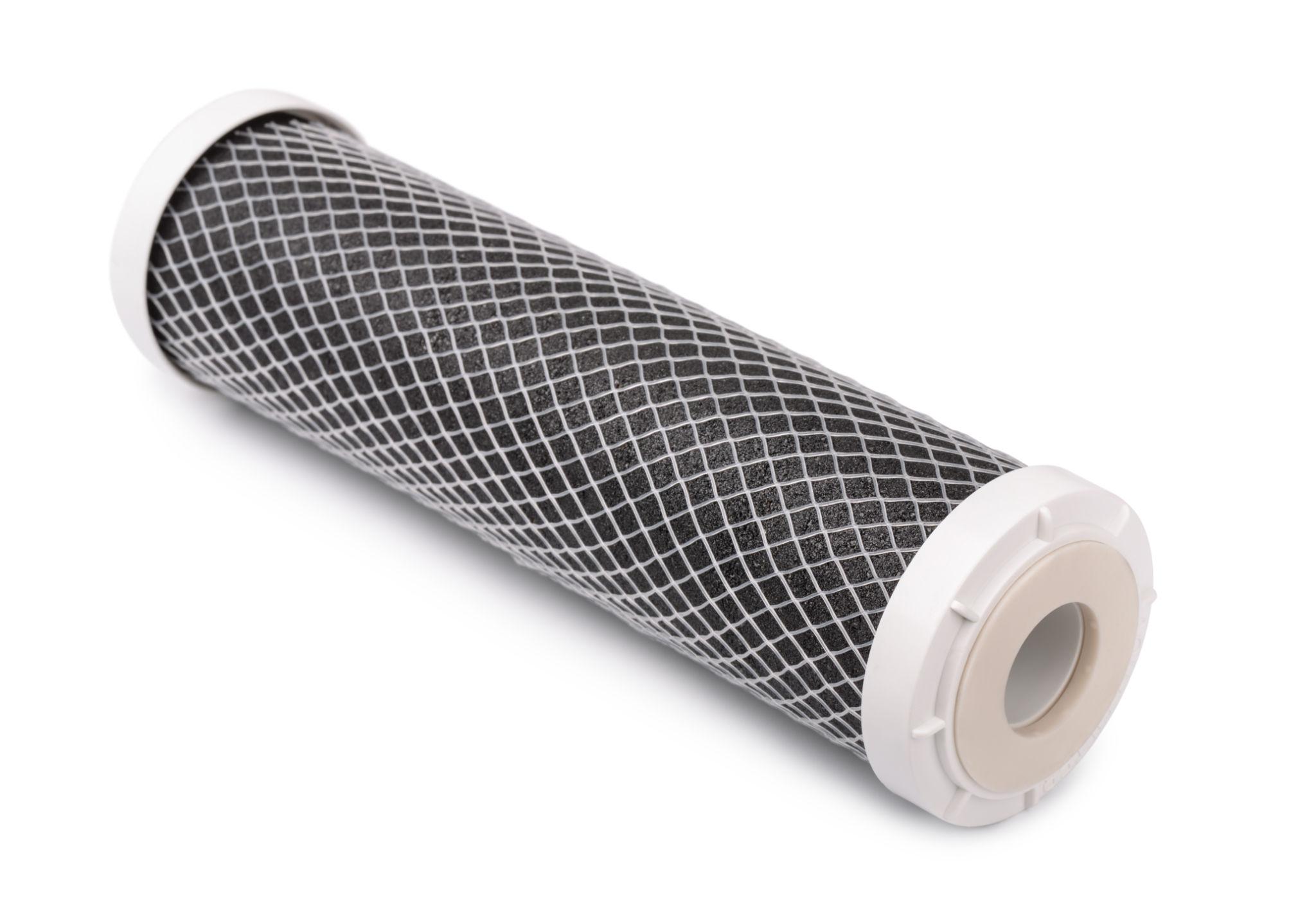
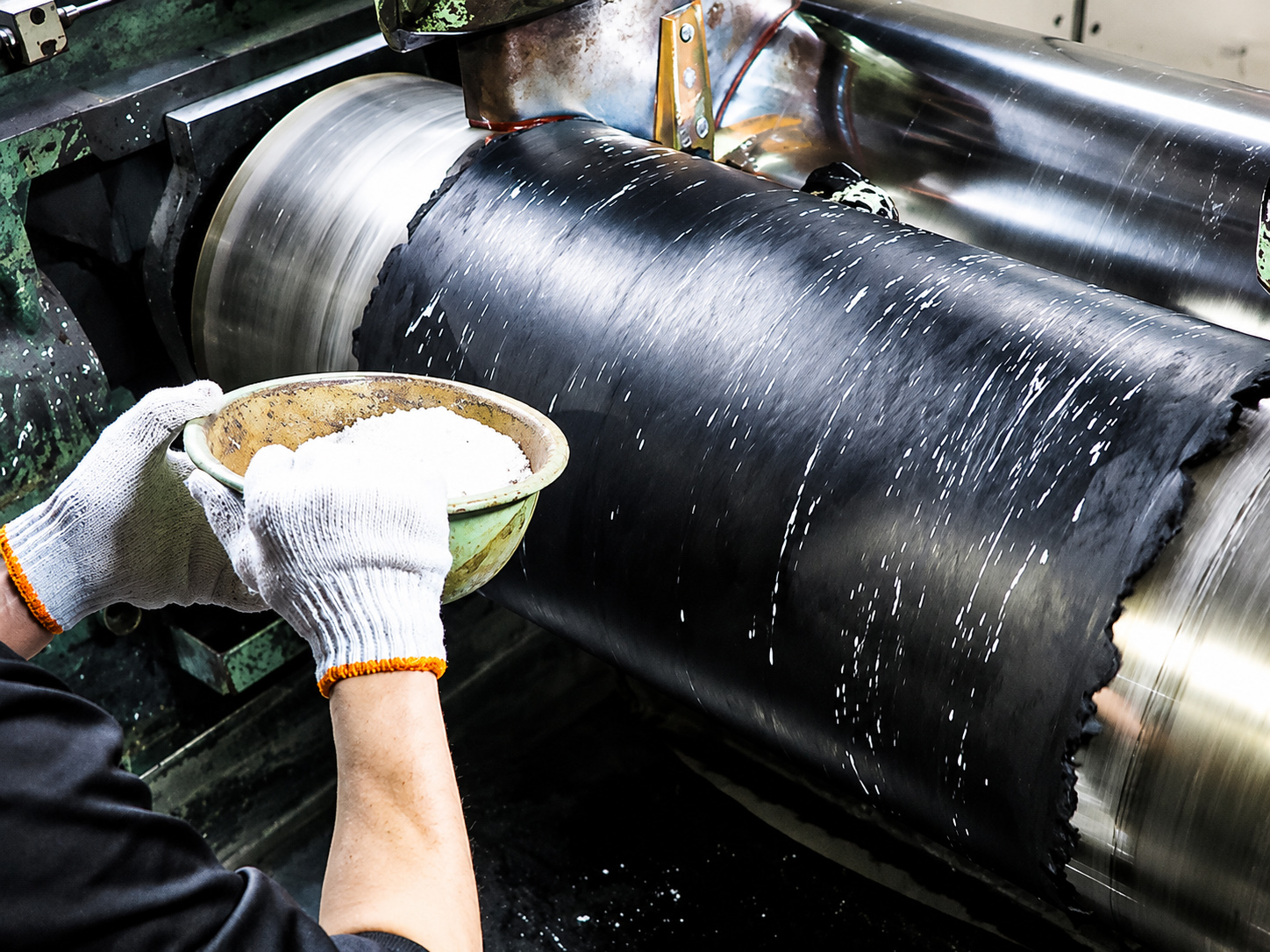
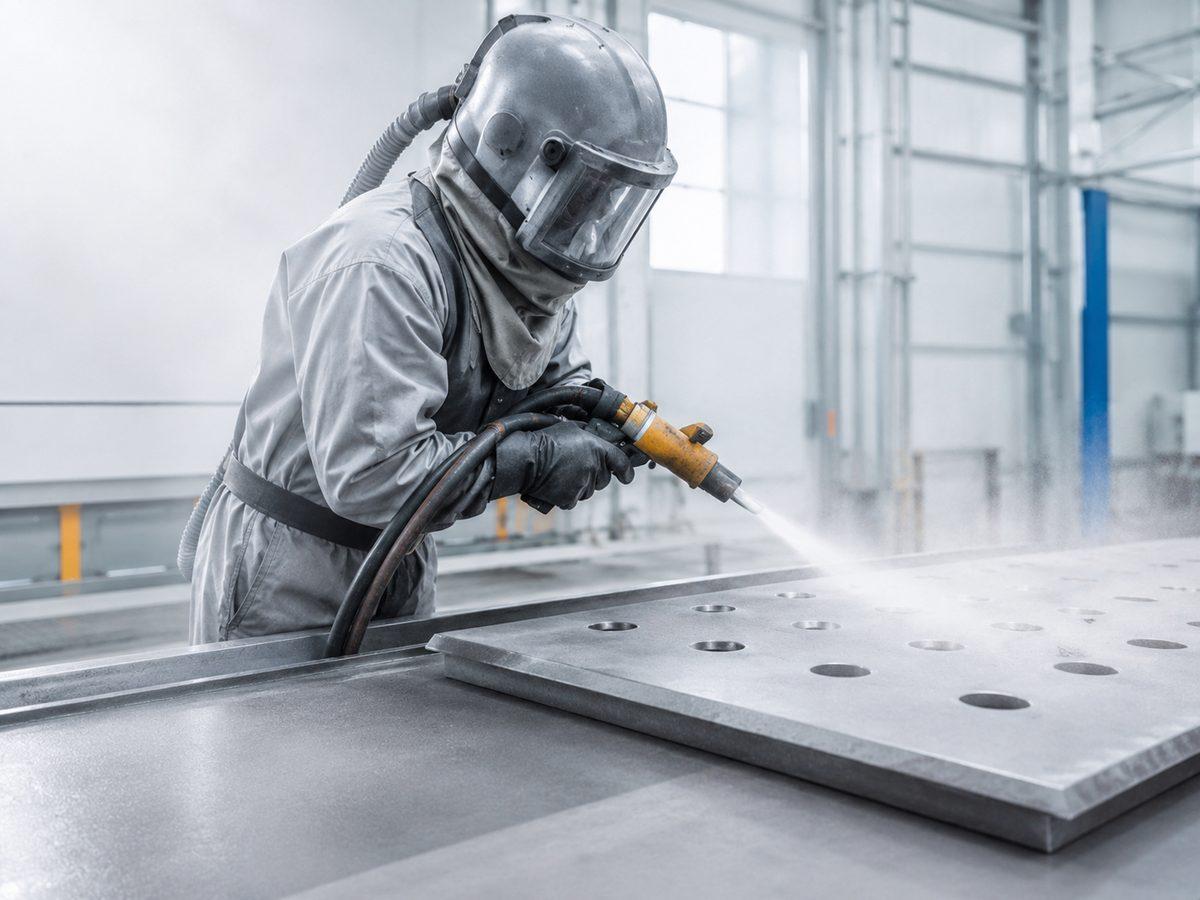
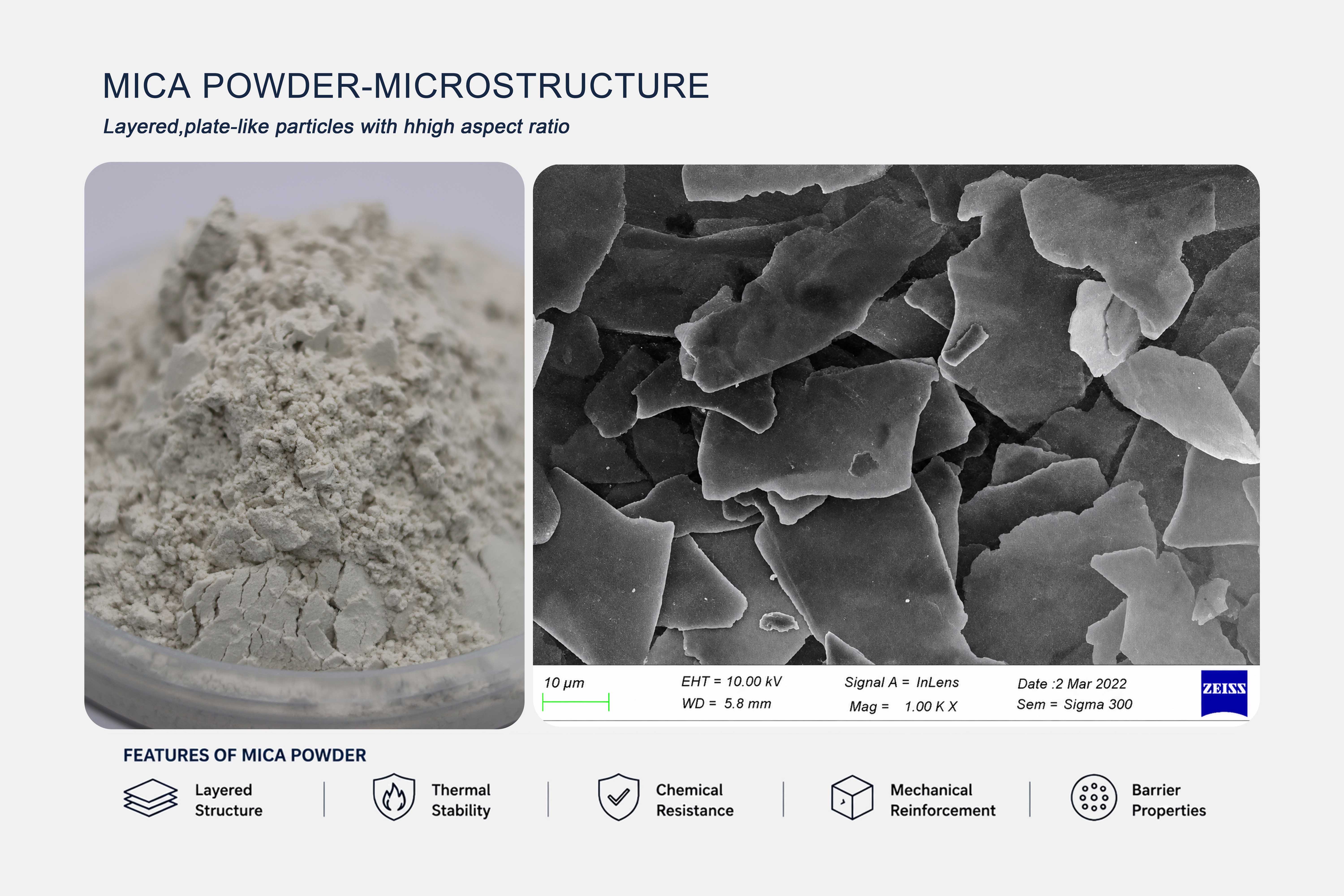
Lepidolite mica powder is a premium lithium-bearing mica mineral powder sourced from high-quality lepidolite ore. As part of the mica group, lepidolite is characterized by its unique layered crystal structure and rich composition of potassium-aluminum silicate along with natural lithium content. This distinctive mineral is widely utilized in various applications, including ceramics, glass manufacturing, glazes, lithium-based industrial materials, decorative mineral products, functional fillers, coatings, and advanced research-oriented mineral formulations.

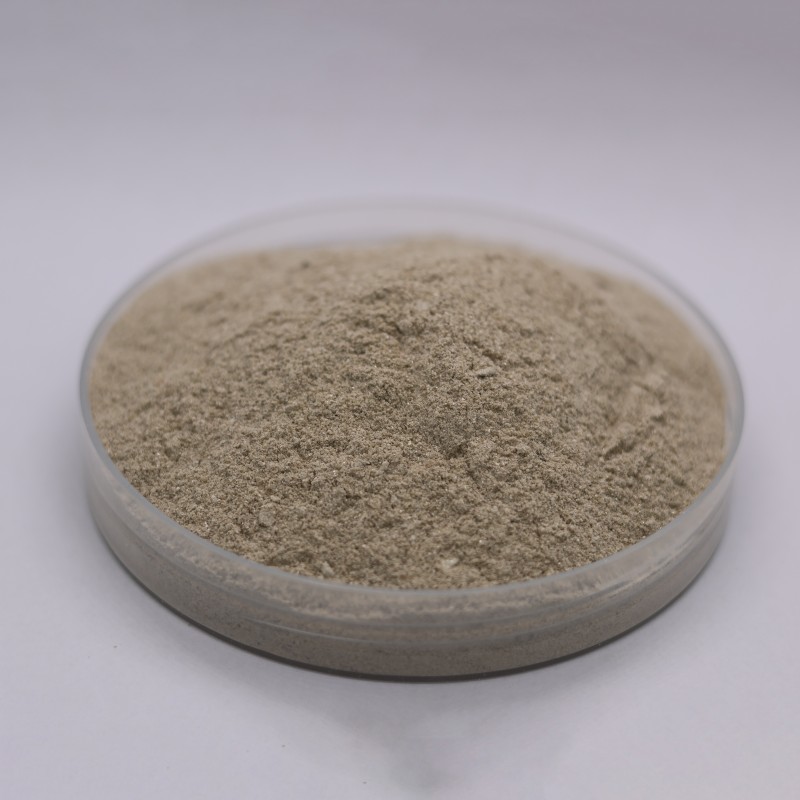
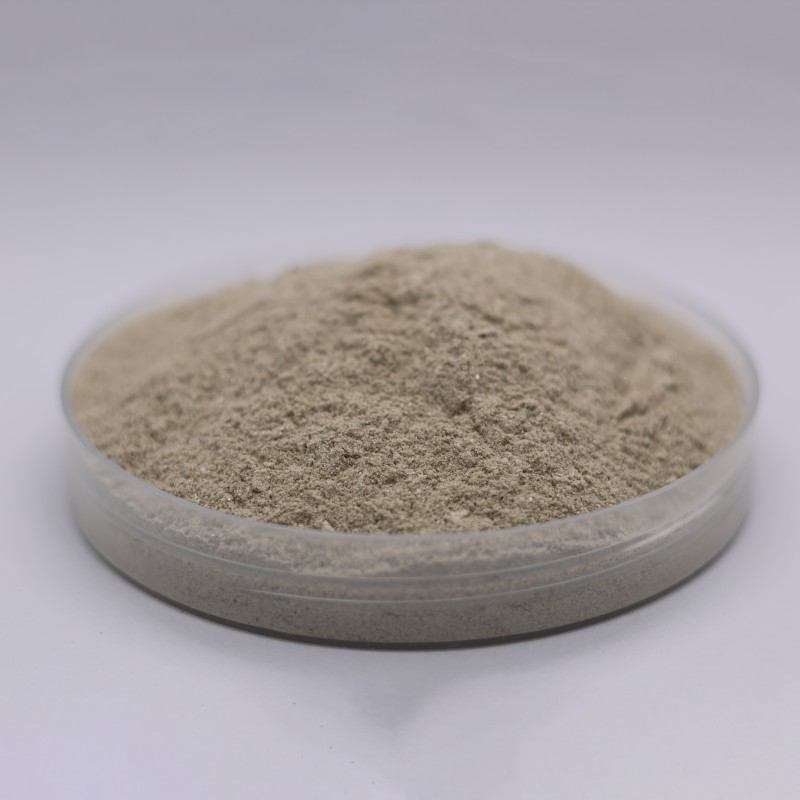
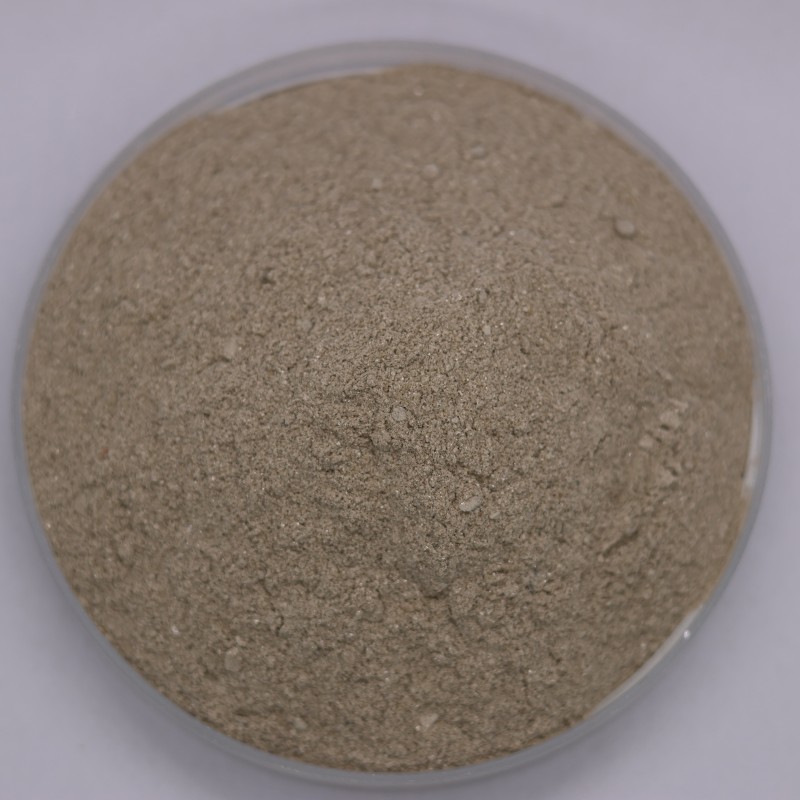
Unlike regular mica powders, lepidolite mica powder is enriched with lithium-bearing components, setting it apart from other mica varieties such as muscovite, biotite, and phlogopite. This special chemical profile elevates its value in numerous industrial applications, making it sought after not only as a mica mineral but also as a vital lithium-rich raw material. Depending on the ore source and processing conditions, the natural color of lepidolite may range from light purple and lavender to pinkish, gray, or off-white.

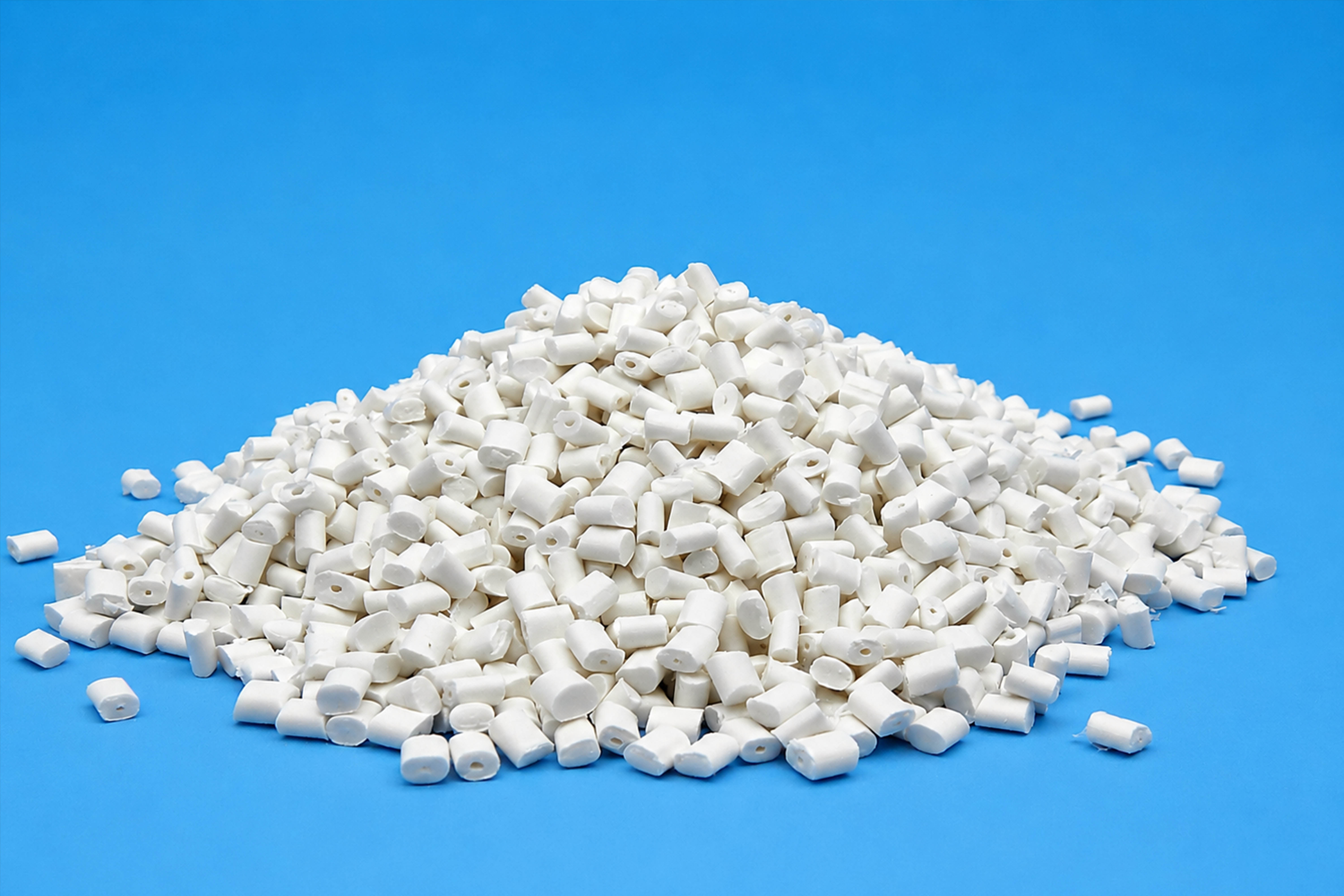
As a leading supplier from China, WANCHENG MINERAL provides high-quality lepidolite mica powder designed for global customers who demand consistent mineral quality, precise particle size control, professional export packaging, and tailored industrial solutions. Our lepidolite powder can be processed to various mesh sizes depending on specific application requirements, making it an ideal choice for ceramic raw materials, glass additives, glaze components, mineral fillers, or functional raw materials in specialized industrial formulations.

For international buyers, product consistency is crucial. Factors such as lithium content, particle size distribution, moisture levels, impurity content, color, and processing methods significantly impact the performance of lepidolite powder. WANCHENG MINERAL emphasizes the importance of selecting high-grade raw ore, meticulous grinding control, thorough screening, quality inspection, and robust export packaging to ensure our customers receive reliable and repeatable product performance from our factory.

    This is a paragraph

    This is a paragraph

    This is a paragraph

    Chemical Component Typical Content Description
    SiO2 45% - 55% Main silicate component
    Al2O3 20% - 30% Alumina component
    Li2O 2% - 3% Typical lithium-bearing component, varies by ore
    K2O 6% - 11% Typical mica alkali component
    Na2O 0.5% - 3% Minor alkali component
    Fe2O3 0.5% - 3% Affects color and impurity level
    MgO 0.1% - 2% Minor component
    F Varies May exist in lepidolite structure
    Loss on Ignition Varies Depends on ore and processing
    Frequently Asked Questions
    What is the typical Li₂O grade represented in this chemical breakdown?

    The typical Lithium Oxide (Li₂O) concentration ranges between 2% and 3%, which is standard for lithium-bearing mica and lepidolite mineral concentrates prior to downstream chemical conversion.

    Why are SiO₂ and Al₂O₃ the most prominent components?

    SiO₂ (45%-55%) and Al₂O₃ (20%-30%) constitute the core aluminosilicate framework of mica group minerals, providing the crystalline matrix within which lithium and alkali ions reside.

    How does the presence of Fe₂O₃ impact mineral quality?

    Fe₂O₃ content (0.5%-3%) serves as an impurity indicator that directly influences mineral coloration and determines the magnetic separation requirements during beneficiation.

    What role does Fluorine (F) play in this chemical profile?

    Fluorine commonly substitutes in the hydroxyl positions within the lepidolite lattice structure, influencing both the calcination temperature and roasting mechanics during lithium extraction.

    What causes variation in the Loss on Ignition (LOI) value?

    Loss on Ignition varies according to volatile components, crystal-bound moisture, structural hydroxyl release, and thermal decomposition characteristics during high-temperature assaying.

    This is a paragraph

    This is a paragraph

    This is a paragraph

    This is a paragraph

    This is a paragraph

    This is a paragraph

    This is a paragraph

    This is a paragraph

    This is a paragraph

    This is a paragraph

    This is a paragraph

    This is a paragraph

    This is a paragraph

    This is a paragraph

    This is a paragraph

    Application Image Grid Placeholder

    FAQ

    • This is a paragraph

    • This is a paragraph

    • This is a paragraph

    • This is a paragraph

    • This is a paragraph

    • This is a paragraph

    • This is a paragraph

    • This is a paragraph

      This is a paragraph

    This is a paragraph

    This is a paragraph

    This is a paragraph
    This is a paragraph