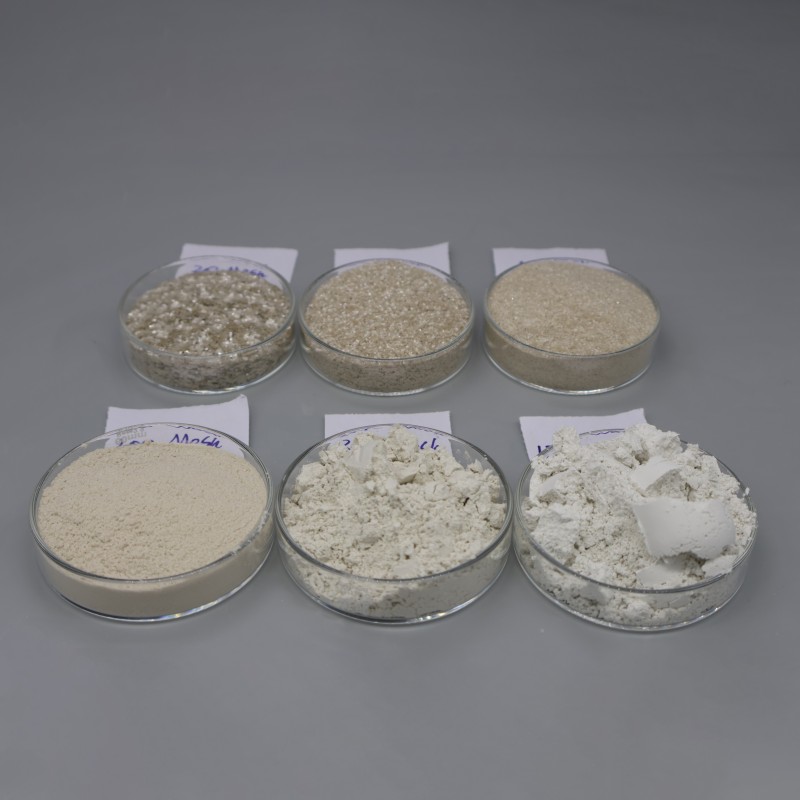
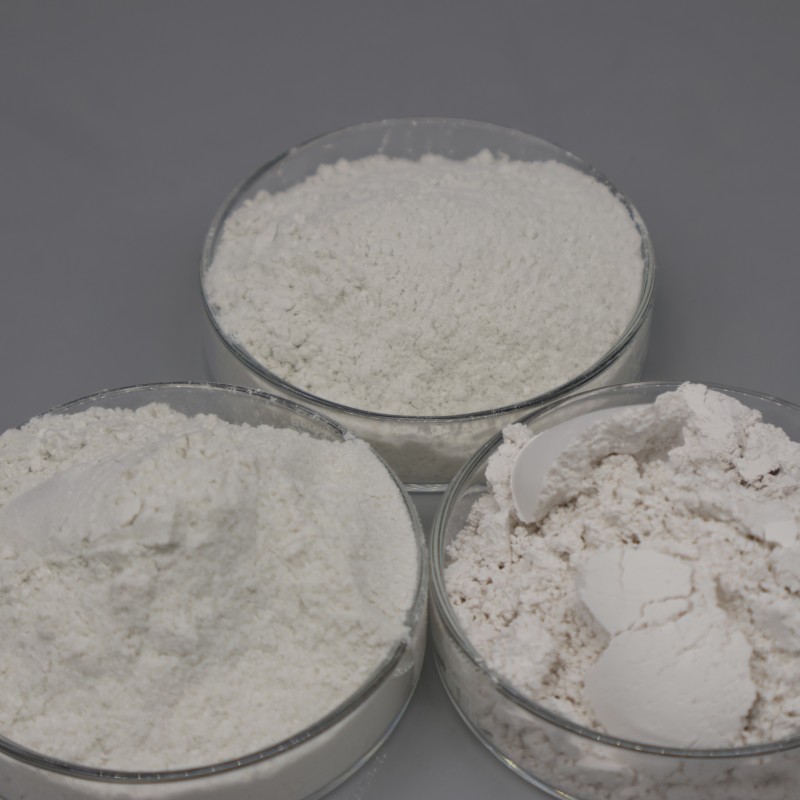
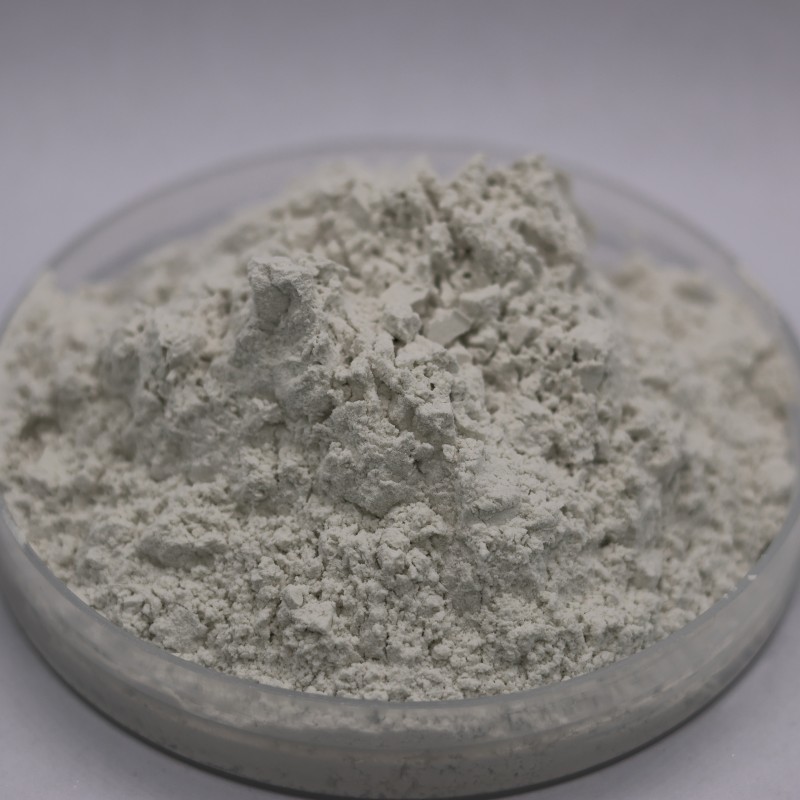
Precision-milled functional mineral grades selected for masterbatchers, compounders, and injection molders requiring superior mechanical stiffness, dimensional tolerance, and barrier resistance.
High-purity lamellar muscovite engineered specifically for dimensional stabilization, warpage mitigation, and heat distortion resistance in automotive PP and polyamide compounding.
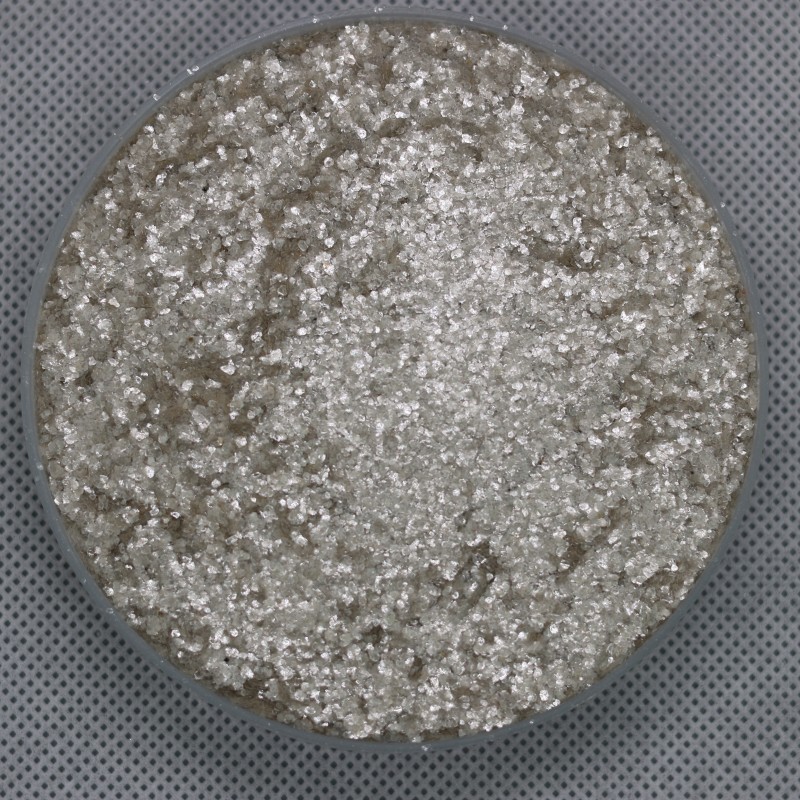
Explore Specifications →Micro-crystalline ultrafine platy mineral providing efficient polymer nucleating efficiency, surface scratch hardness, and high stiffness-to-weight ratios for polypropylene components.
Explore Specifications →Soft silky lamellar silicate delivering excellent melt processability, isotropic flow orientation, high dielectric strength, and low thermal expansion in thin-walled plastic parts.
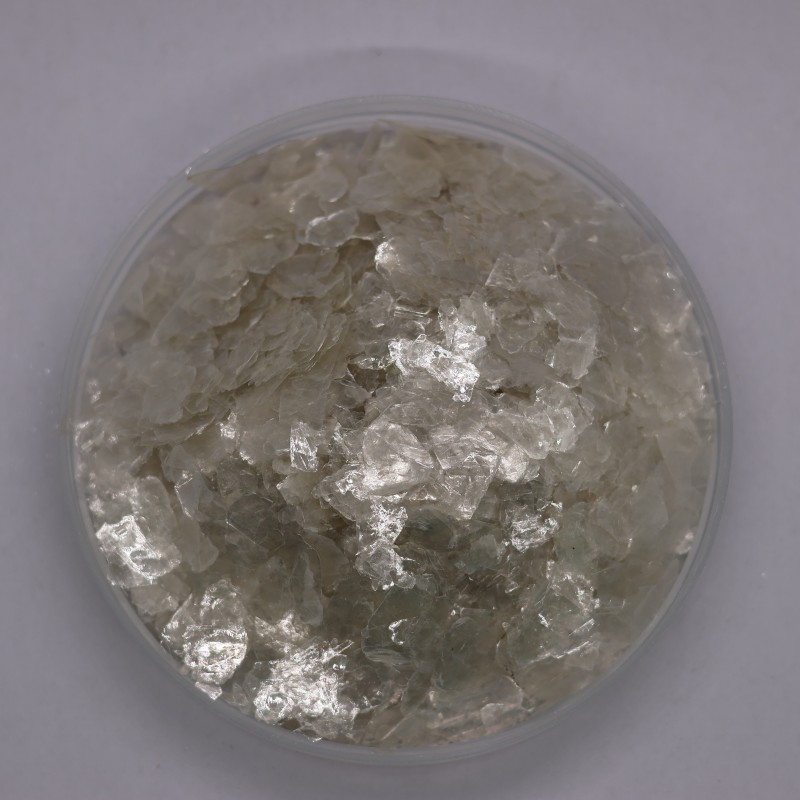
Explore Specifications →High aspect ratio wet-milled flakes exhibiting smooth basal surfaces, high whiteness, and tortuous gas barrier pathways for barrier packaging and Class-A aesthetic compounds.
Explore Specifications →As global thermoplastic demand pushes the frontiers of lightweighting, electric vehicle (EV) battery safety, and circular economy compliance, functional mineral fillers have evolved from simple cost-extenders into indispensable nano- and micro-composite reinforcements.
Unlike 1D acicular reinforcements (such as chopped glass fibers) which align unidirectionally with resin melt flow, 2D lamellar mica flakes orient in biaxial planes. This 2D planar orientation delivers isotropic shrinkage, effectively eliminating differential warpage in complex injection molded geometries such as automotive radiator grilles, tailgate panels, and precision electronics enclosures.
Incorporating 15% to 40% loading of fine-particle muscovite mica significantly elevates the Heat Deflection Temperature (HDT) of semi-crystalline polymers (PA6, PA66, PBT, PP) and amorphous resins (ABS, PC). The rigid platelet structure restricts macromolecular polymer chain mobility at elevated operating temperatures, preventing structural creep and thermo-oxidative collapse.
Mica exhibits an intrinsic volume resistivity exceeding 1014 Ω·cm and breakdown voltage up to 200 kV/mm. Compounding mica into EV battery module enclosures, busbar covers, and high-voltage connectors boosts Comparative Tracking Index (CTI > 600V) while acting as a physical thermal barrier that hinders oxygen ingress and gas diffusion during UL-94 V0 combustion events.
| Functional Mineral Reinforcement | Morphological Geometry | Aspect Ratio (L/D) | Warpage Suppression Capability | Flexural Modulus Boost | Dielectric Breakdown Voltage |
|---|---|---|---|---|---|
| Muscovite Mica Powder (Dry/Wet Ground) | Platelet / Lamellar 2D Flake | 30:1 – 90:1 | Exceptional (Biaxial Balance) | Very High (+120% to +260%) | Superior (> 180 kV/mm) |
| Microcrystalline Talc Powder | Platy / Sheet Silicate | 15:1 – 30:1 | Good (High Nucleating Rate) | High (+80% to +160%) | Moderate (30–50 kV/mm) |
| Precipitated / Ground Calcium Carbonate | Nodular / Rhombohedral | 1:1 – 2:1 | Low (Minimal Reinforcement) | Moderate (+20% to +45%) | Low |
| Short Glass Fiber (Chopped E-Glass) | Acicular / Cylindrical Fiber | 20:1 – 50:1 | Poor (Prone to Severe Warpage) | Extremely High (Anisotropic) | Good |
The global plastics compounding industry is experiencing an unprecedented structural transformation driven by stringent carbon-neutrality mandates, electric vehicle transition, and the replacement of die-cast aluminum alloys. In engineering resins such as Polyamide 6 (PA6), Polyamide 66 (PA66), Polybutylene Terephthalate (PBT), and Polypropylene (PP), short glass fibers have long served as the benchmark for structural stiffness. However, glass fiber compounding suffers from notorious anisotropic differential shrinkage between flow and transverse directions, causing severe component twisting and dimensional non-compliance in large-format thin-wall parts.
Hybrid compounding—the co-incorporation of short glass fiber with high-aspect-ratio muscovite mica flakes—has emerged as the premier industry solution. Mica's overlapping platelet morphology bridges the inter-fiber microvoids, creates balanced multidirectional reinforcement, and eliminates warpage while elevating surface finish. Furthermore, the rising integration of silane and titanate coupling agents chemically links the hydroxyl-rich basal planes of mica to polymer backbones, resulting in remarkable increases in unnotched Charpy impact retention, tensile yield, and scratch resistance.
In circular plastics compounding, post-consumer recycled (PCR) and post-industrial recycled (PIR) polypropylene and polyethylene suffer from degraded tensile modulus and lower heat deflection temperatures caused by thermal degradation cycles. Incorporating 10% to 25% wet-ground or dry-ground mica powder reconstructs the mechanical framework of recycled resins, transforming low-value scrap streams into high-spec engineering materials suitable for automotive HVAC housings, structural pallets, and industrial equipment shrouds.
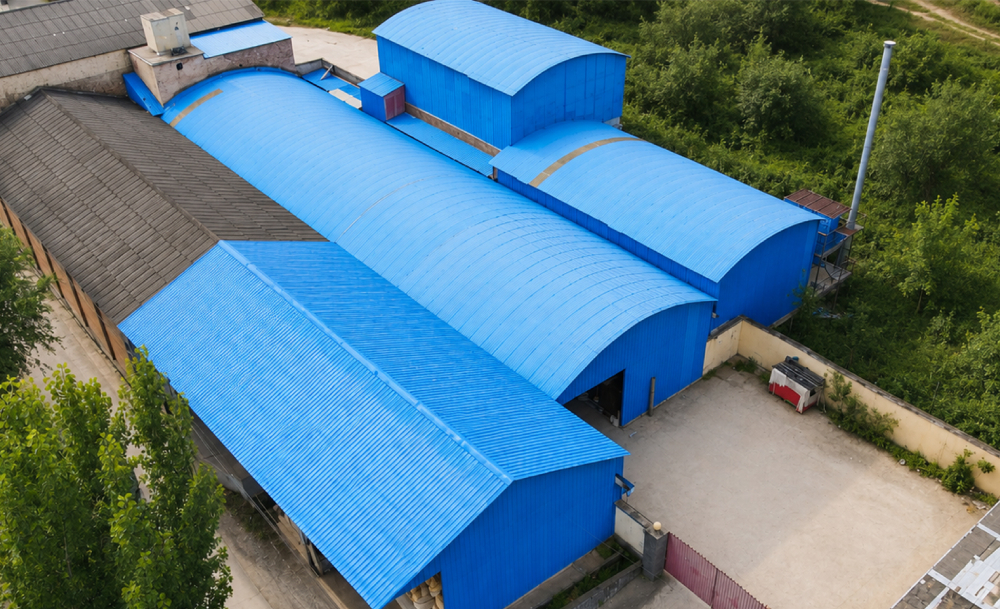
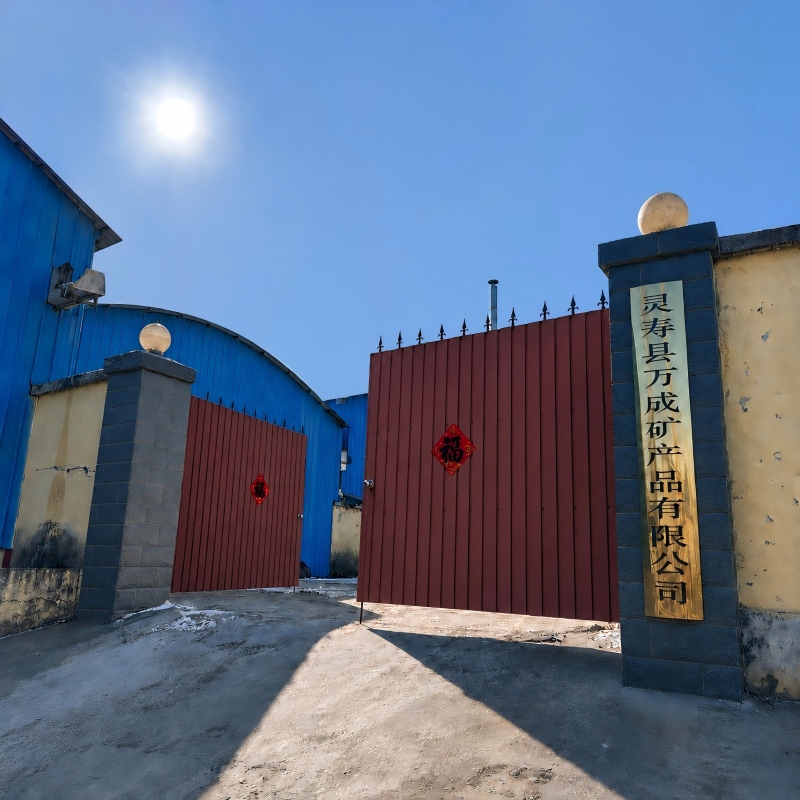
Lingshou County Wancheng Mineral Co., Ltd. is a professional manufacturer and supplier of non-metallic mineral products located in Lingshou County, Hebei Province, China.
Founded in 2000 and formerly known as Lingshou JingXi KuangChan Processing Factory, we specialize in mica, talc, vermiculite, bentonite, tourmaline, glass beads and glass microspheres.
With extensive experience in mineral processing and international trade, we provide various grades, particle sizes and packaging options. Our products are exported to Europe, North America, Japan, South Korea and other international markets.
For plastics compounders and masterbatch producers, our specialized air-classified processing lines guarantee precise top-cut control (D97), minimal moisture absorption (
Delivering targeted structural, barrier, and functional performance across diverse high-performance polymer matrices and demanding end-use environments.
Compounded into talc/mica-filled PP and PA66 compounds for engine beauty covers, cooling fans, air intake manifolds, and radiator end tanks. Mica drastically reduces the Coefficient of Linear Thermal Expansion (CLTE) close to that of aluminum, preventing mechanical stress and thermal fatigue across alternating temperature ranges from -40°C to +150°C.
With the rapid rise of 800V high-voltage architectures, battery tray covers and busbar connectors require materials that prevent electrical breakdown and thermal runaway propagation. Mica reinforced PBT and flame-retardant polyamide compounds provide UL-94 V0 safety, extreme arc resistance, and non-conductive mechanical shielding during extreme thermal incidents.
In EVA, PE, and TPU cable jackets and conduit piping, mica acts as a synergistic char-forming agent alongside aluminum trihydrate (ATH) and magnesium hydroxide (MDH). When subjected to open flame, mica platelets fuse with the mineral char, creating a monolithic inorganic shield that suppresses dripping, reduces heat release rates (HRR), and curbs smoke generation.
High aspect ratio wet-ground mica flakes create an intricate "tortuous path" across polymer film cross-sections. In HDPE, EVOH, and PET barrier packaging for chemicals, fuels, and volatile liquids, mica platelet dispersion reduces gas permeation rates (oxygen, moisture vapor, and hydrocarbon transmission) by up to 60% compared to unfilled polymers.
Biodegradable polymers such as Polylactic Acid (PLA) and Polyhydroxyalkanoates (PHA) frequently suffer from slow crystallization rates and excessive brittleness. Ultrafine mica acts as an exceptional heterogeneous nucleating agent, accelerating spherulitic crystallization kinetics, increasing heat resistance from 55°C to over 110°C, and expanding bio-plastics into durable consumer durables.
In automotive interior dash mats, wheelhouse liners, and domestic appliance compressor housings, mica-loaded heavy-layer polyolefin compounds absorb vibration and structure-borne sound. The friction between overlapping mica platelets and the polymer viscoelastic matrix dissipates mechanical acoustic energy into low-grade heat, yielding superior Noise, Vibration, and Harshness (NVH) ratings.
Leveraging over two decades of mineral mining and micronization expertise to empower global manufacturing sectors with consistent, high-specification raw materials.
Agriculture & Horticulture
Coatings & Paint
Oil Drilling & Foundry
Plastics & Polymers
Road Marking & Sandblasting
Rubber Industry
Tailored mineral processing capabilities delivering reproducible particle size distributions, custom surface treatments, and international bulk packaging solutions.
Recommend suitable mica, talc, bentonite, quartz, glass beads or tourmaline products according to specific customer requirements and resin compounding demands.
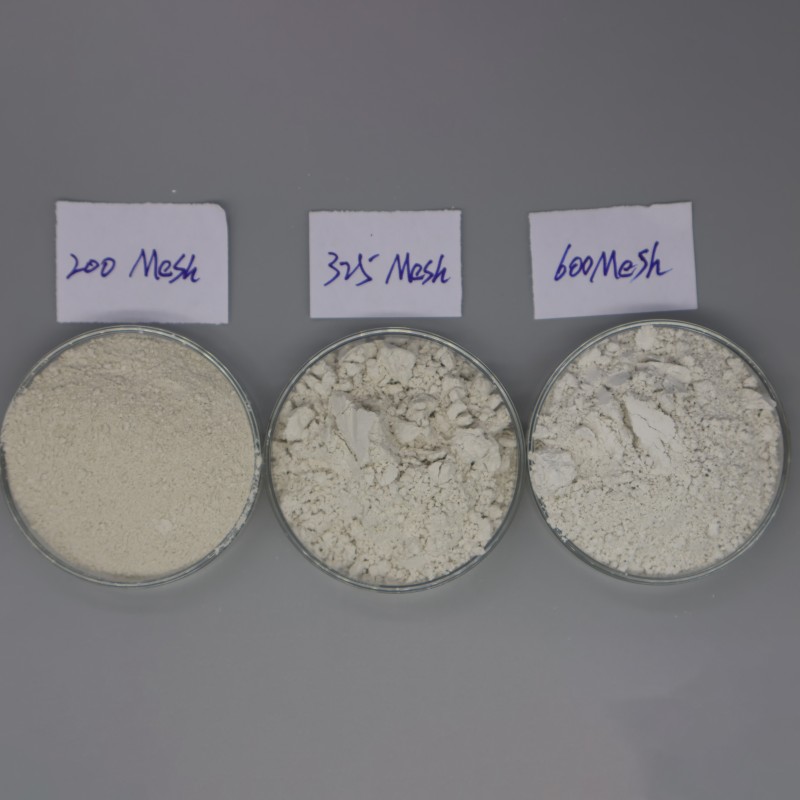
Support common mesh sizes (200 mesh, 325 mesh, 800 mesh, 1250 mesh, 2500 mesh) and customized micro-powder specifications with tightly monitored D50 and D97 laser diffraction curves.
Prepare TDS, MSDS, COA samples, RoHS / REACH verification, and packaging information for buyer laboratory review and compounding pilot trials.
Provide 25kg multi-wall paper bags, heavy-duty jumbo ton bags, shrink-wrapped fumigated pallets, and customized OEM packaging for secure international container shipments.
Standardized international operating protocols ensuring rapid technical alignment, validated sample approvals, and transparent logistical execution.
Application, particle size, specification, quantity, packaging and destination port.
Recommend suitable product grade and related technical information.
Arrange sample review and testing according to buyer requirements.
Powder processing, inspection, bagging, palletizing and export packaging.
Coordinate shipping documents, loading and delivery according to trade terms.
Building long-term mineral supply partnerships through proven processing consistency, robust logistics management, and proactive customer technical service.
Clear product specifications, batch inspection and quality records help maintain stable supply from sample approval to repeat orders.
Production planning and order coordination help support consistent lead times for regular purchases and repeat orders.
Packaging, labeling, palletizing and loading arrangements can be coordinated according to product, order and destination requirements.
Support technical and commercial documents, container loading, shipment arrangements and order follow-up under agreed trade terms.
Browse all our non-metallic mineral grades manufactured under strict quality oversight, with full technical data sheets, free sampling, and international sea freight export support.
Finely pulverized lamellar muscovite providing enhanced heat deflection, isotropic mold shrinkage control, and reinforcement in automotive and structural thermoplastics.
View Product →Premium high-purity natural talc powder offering superior stiffness, surface lubricity, reduced cycle times, and dimensional stability in PP automotive compounds.
View Product →Fine-grained sericite flake silicate characterized by high lubricity, high volume resistivity, and excellent compatibility in polymer melts and electrical laminates.
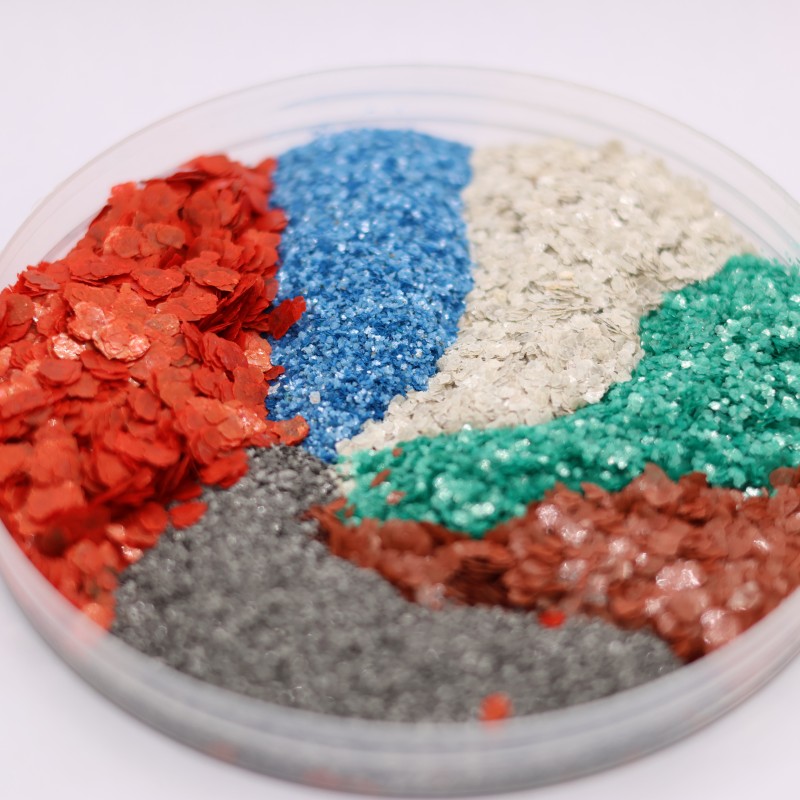
View Product →Chemically color-bonded mica flakes engineered for pearlescent finishes, specialty masterbatches, textured floorings, and decorative plastic molding resins.
View Product →Delaminated via hydro-friction processes to safeguard basal platelet integrity, delivering peak barrier properties, smooth gloss, and maximum flexural modulus.
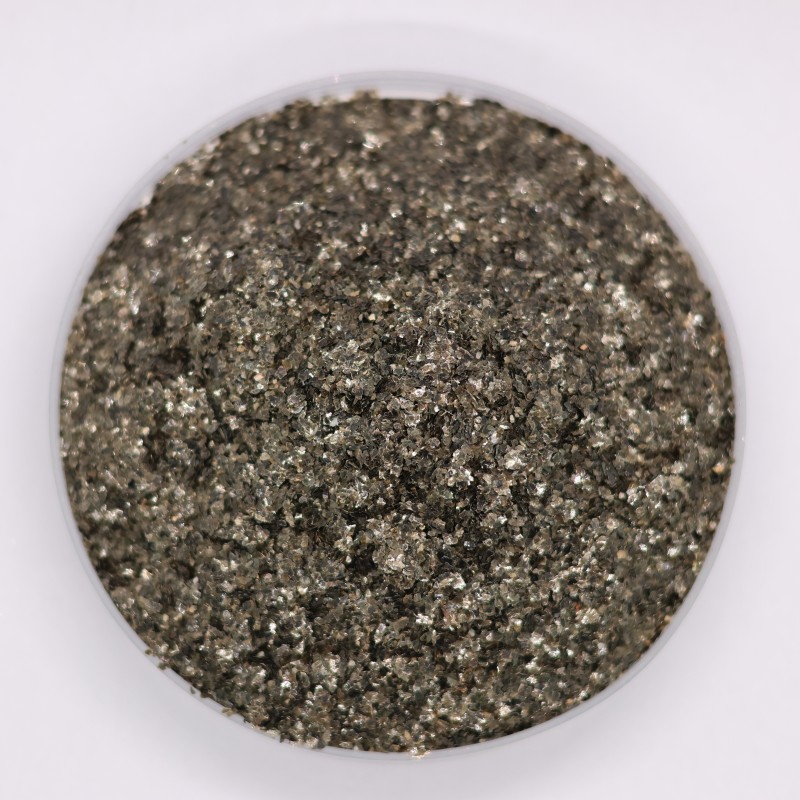
View Product →Dark natural iron-magnesium sheet silicate offering intrinsic UV radiation shielding, high heat tolerance, and acoustic attenuation in dark industrial plastic moldings.
View Product →Carefully screened natural muscovite mica scrap ideal as raw material feedstock for downstream micronization, mica paper, and high-temperature insulating boards.
View Product →Standard white muscovite potassium-mica powder optimized for plastic compounding, insulating polymers, cable jackets, and automotive under-hood molded components.
View Product →