Leave Your Message

Micronized Talc Powder For Rubber Compounding And Reinforcement

High-Performance Mineral Solutions for Enhanced Tensile Strength, Thermal Stability, and Processing Efficiency in Rubber Formulations

The Critical Role of Micronized Talc in Rubber Compounding

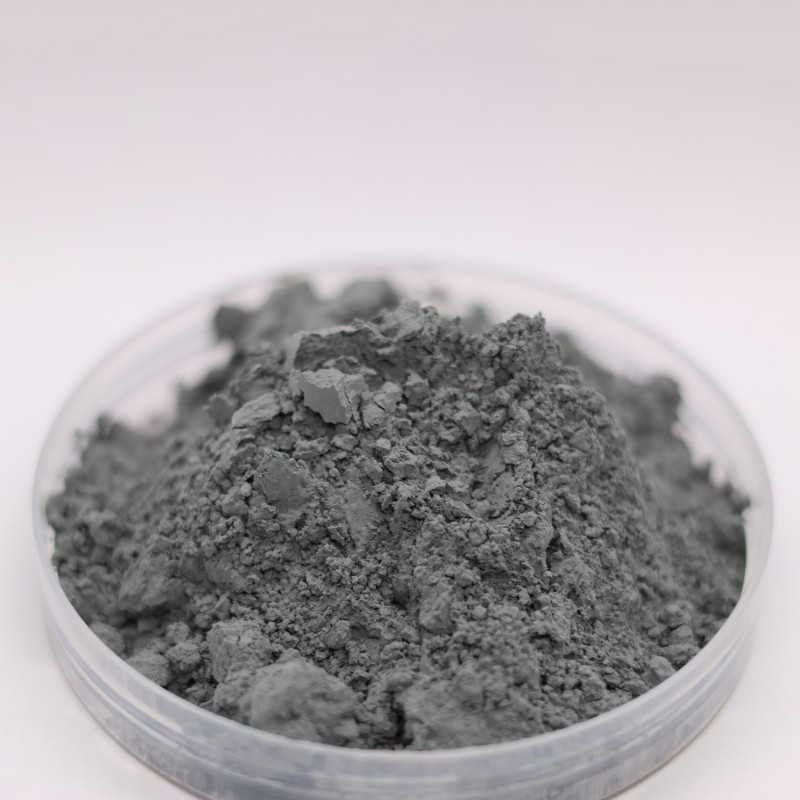
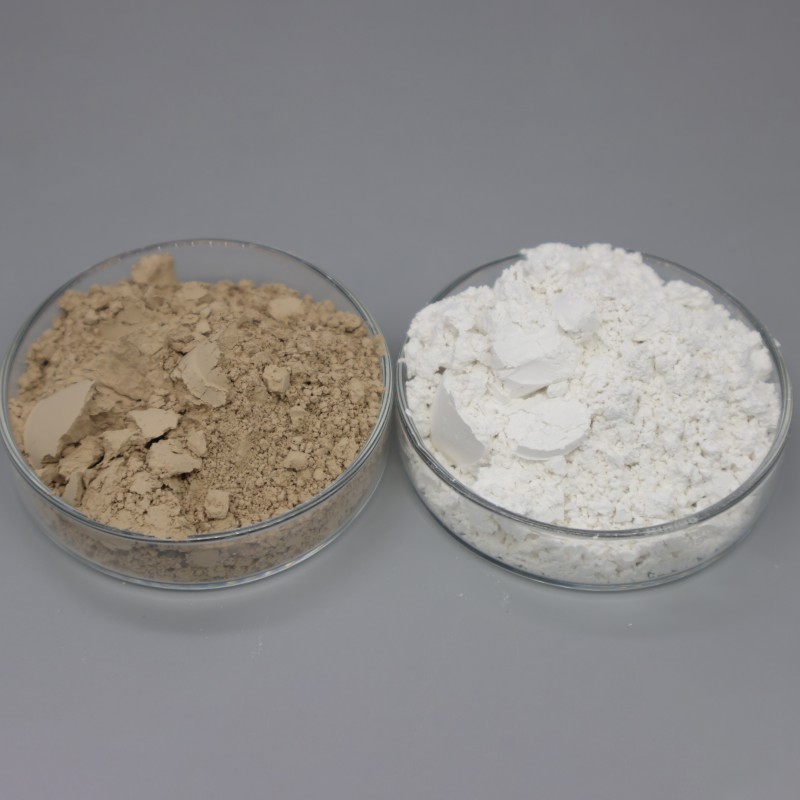
In the highly demanding field of elastomer engineering, the selection of reinforcing fillers directly determines the performance, durability, and cost-efficiency of the final product. Micronized Talc Powder has established itself as an essential functional filler for rubber compounding and reinforcement. Derived from high-purity natural magnesium silicate, micronized talc features a unique lamellar (platy) crystal structure. When milled to micro-fine particle sizes, it provides exceptional reinforcing characteristics to both natural and synthetic rubber matrices, including EPDM, SBR, NBR, and Neoprene.

Why Micronized Talc is Essential for Rubber Reinforcement

Unlike traditional spherical fillers, the high aspect ratio of platy talc particles acts as a physical barrier and reinforcing agent. Under tensile stress, the aligned talc platelets distribute mechanical loads across the polymer network, significantly improving tear strength, tensile modulus, and dimensional stability while lowering compound viscosity during processing.

Mechanisms of Reinforcement and Physical Properties

The reinforcing capability of micronized talc powder is primarily governed by its particle size distribution, aspect ratio, and surface chemistry. The micronization process reduces talc aggregates to sub-sieve particles (often d50 < 2 microns), maximizing the surface area available for interaction with rubber polymers. Key benefits include:

  • Improved Tensile & Tear Strength: The alignment of lamellar talc platelets perpendicular to the direction of stress acts as a barrier to crack propagation, enhancing tear resistance.
  • Excellent Gas Barrier Properties: The overlapping plates create a tortuous path for gas molecules, making micronized talc ideal for tire inner liners and tubes where air impermeability is critical.
  • Enhanced Thermal & Dimensional Stability: Talc possesses high thermal resistance and low thermal expansion coefficients, reducing shrinkage and deformation of molded rubber parts under heat.
  • Processing & Flow Optimization: Serving as an internal lubricant, talc reduces the viscosity of raw compounds, leading to smoother extrusion, faster cycle times, and reduced die wear.

Industrial Status, Trends, and Commercial Outlook

Commercial Demand in Automotive and Industrial Sectors

The global rubber compounding market is experiencing a significant shift toward lightweighting and sustainability. Automotive manufacturers are increasingly demanding high-performance, lightweight elastomer components to meet strict fuel efficiency and carbon emission regulations. Micronized talc powder serves as a cost-effective alternative to expensive carbon black and precipitated silica, allowing compounders to reduce overall material costs without compromising physical properties.

Additionally, the rising demand for high-durability conveyor belts, industrial hoses, and heavy-duty seals in mining, construction, and marine environments has driven the adoption of surface-treated micronized talc. Silane coupling agents and other surface modifiers are now widely applied to talc to enhance chemical bonding with rubber matrices, unlocking new levels of reinforcement.

Key Market Trends & Future Outlook

1. Surface Modification: Coated talc powders (e.g., silane-treated) are growing rapidly, offering superior compatibility with polar rubbers like NBR and HNBR.

2. Eco-Friendly Fillers: As industries push for green manufacturing, natural minerals like talc are favored for their low carbon footprint compared to synthetic fillers.

3. Advanced Micronization: Ultrafine talc (d97 < 5µm) is increasingly used in precision rubber molding to ensure zero-defect surface finishes.

Deep Scenario Analysis: Where Micronized Talc Excels

To understand the value of micronized talc, we must look at specific industrial compounding scenarios:

  • EPDM Weatherstripping & Profiles: Extruded profiles require smooth surfaces, precise dimensional control, and resistance to environmental degradation. Micronized talc ensures low die swell, crisp edges, and excellent UV/ozone resistance.
  • NBR Oil Seals & Gaskets: For seals exposed to hydrocarbon fluids, talc provides excellent chemical resistance and prevents swelling, preserving seal integrity over long service lifetimes.
  • Wire and Cable Jacketing: In electrical insulation compounds, high-purity talc provides excellent dielectric properties and enhances flame retardancy when combined with metal hydrates.

About Us & Manufacturing Excellence

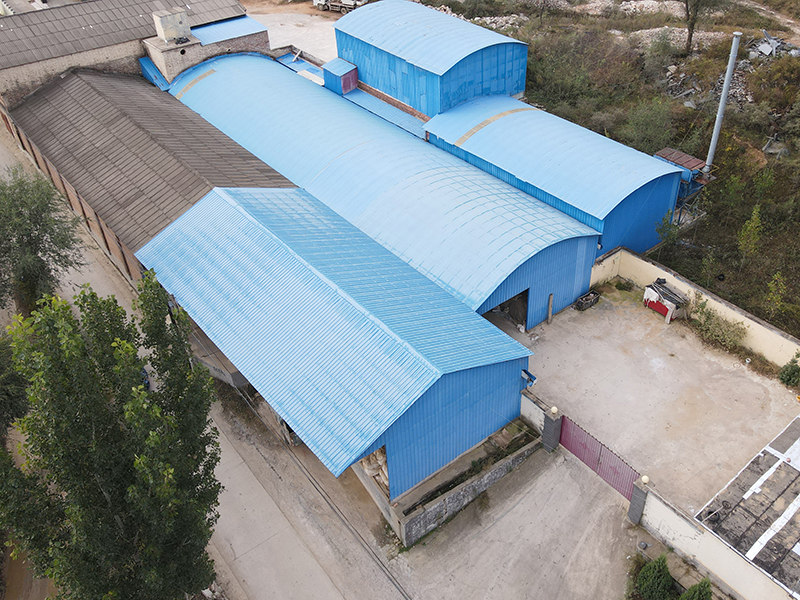
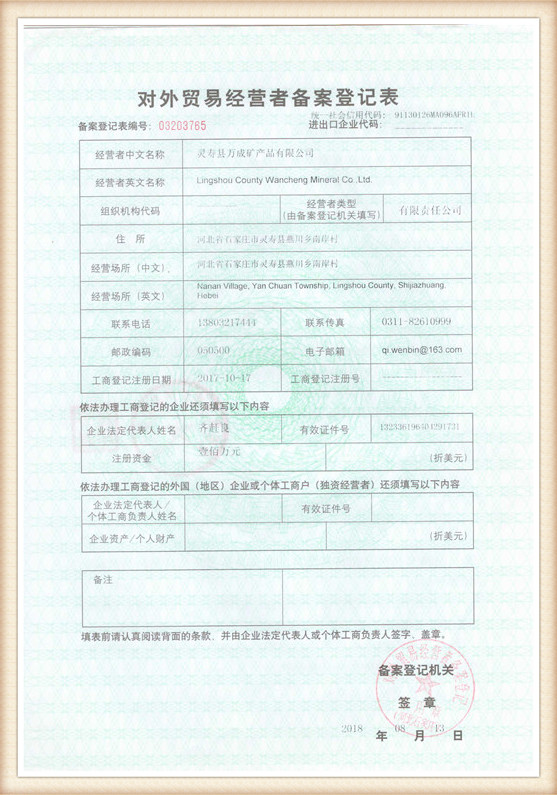
Lingshou County Wancheng Mineral Co., Ltd. is a professional manufacturer and supplier of non-metallic mineral products located in Lingshou County, Hebei Province, China.

Founded in 2000, the company was formerly known as Lingshou JingXi KuangChan Processing Factory. Since its establishment, we have focused on the processing, production, and supply of non-metallic mineral materials for industrial customers in China and international markets.

Our main products include mica, talc, vermiculite, bentonite, tourmaline, and glass beads. With years of experience in mineral processing and international trade, we are able to provide products in different grades, particle sizes, and packaging options according to customers’ specific requirements.

Lingshou County Wancheng Mineral Factory

Factory Tour

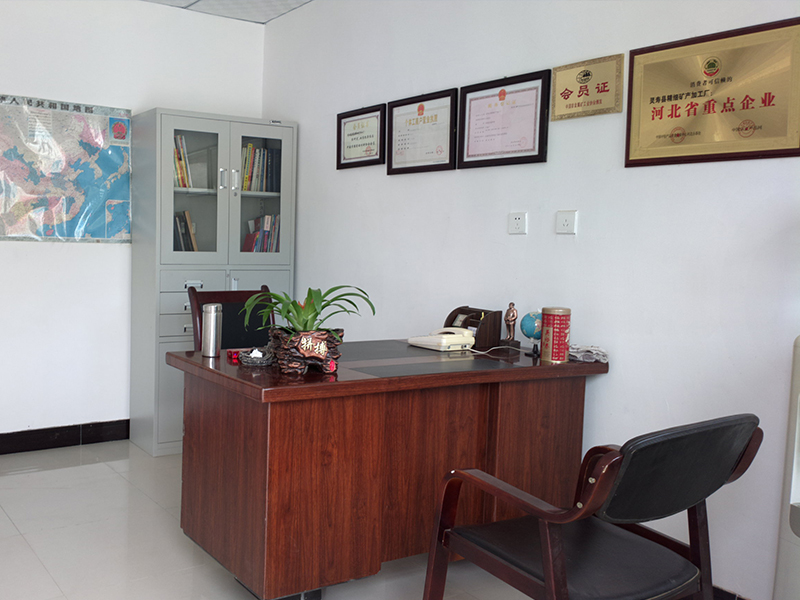
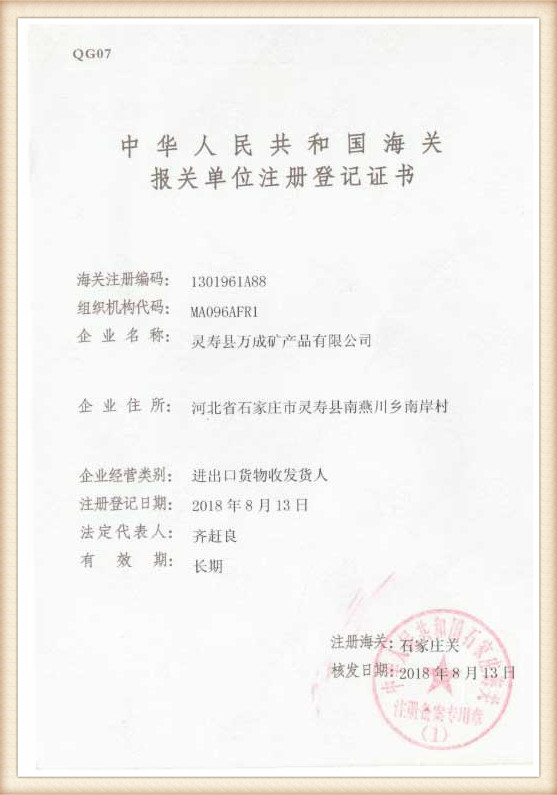
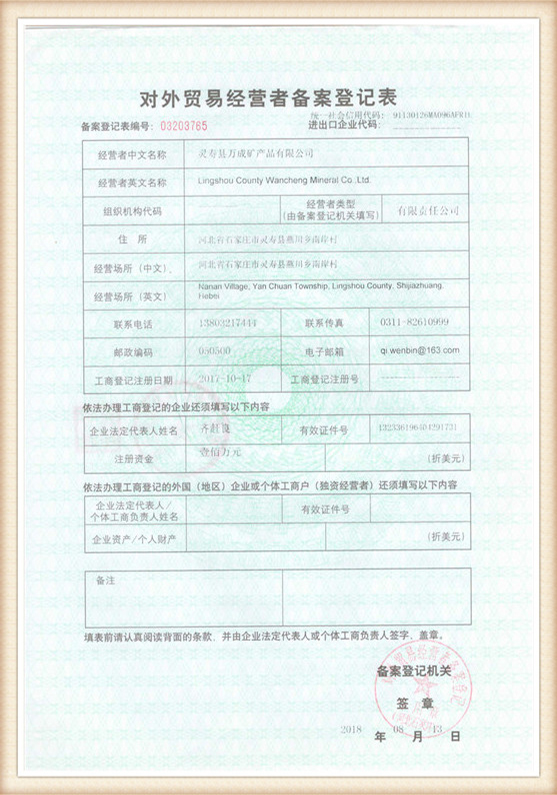
Quality Certificates

Certificate (1)
Certificate (2)
Certificate (3)
Certificate (4)
Certificate (5)

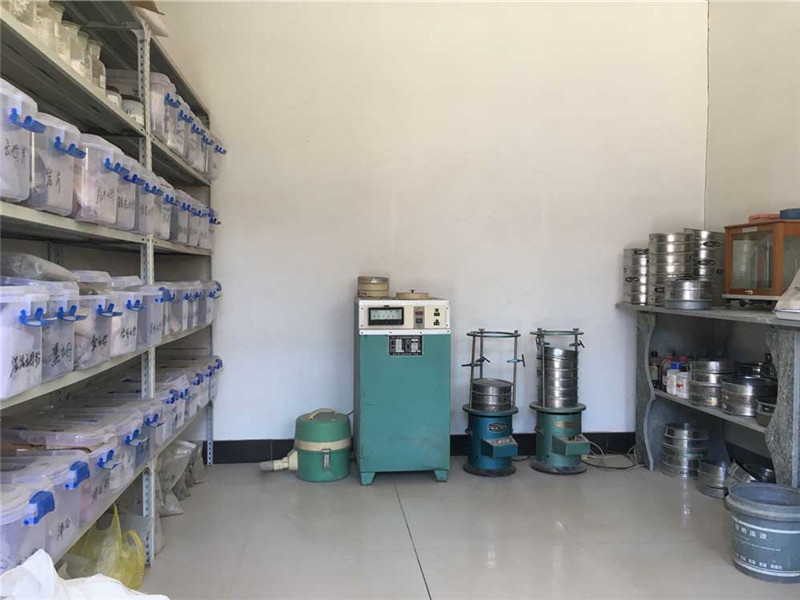
Advanced Processing & Quality Control at Wancheng Mineral

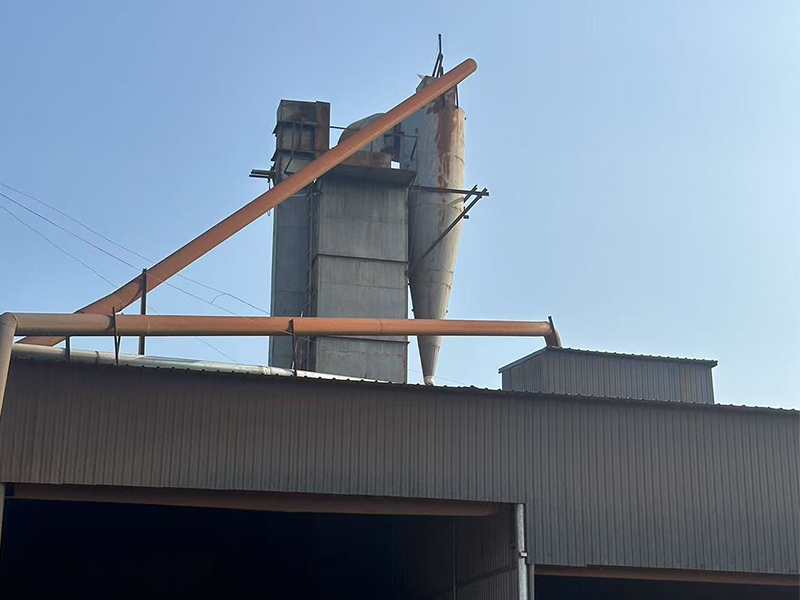
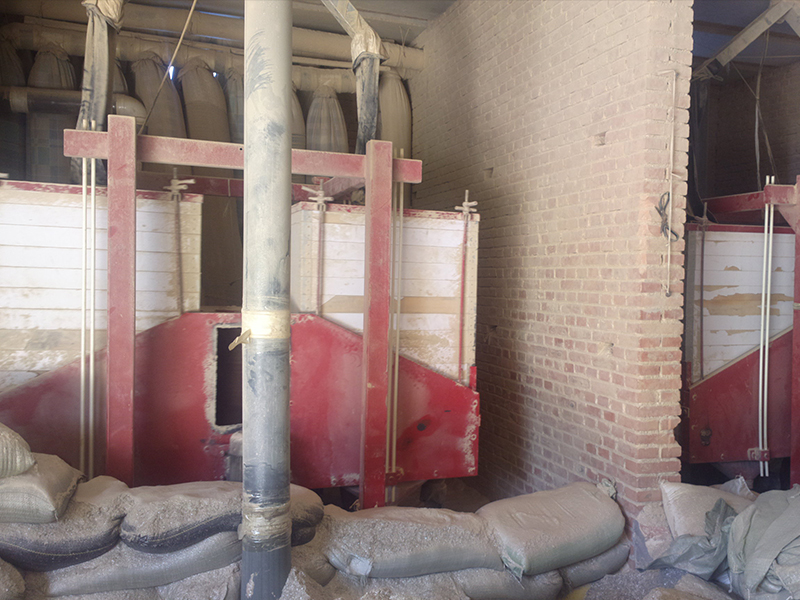
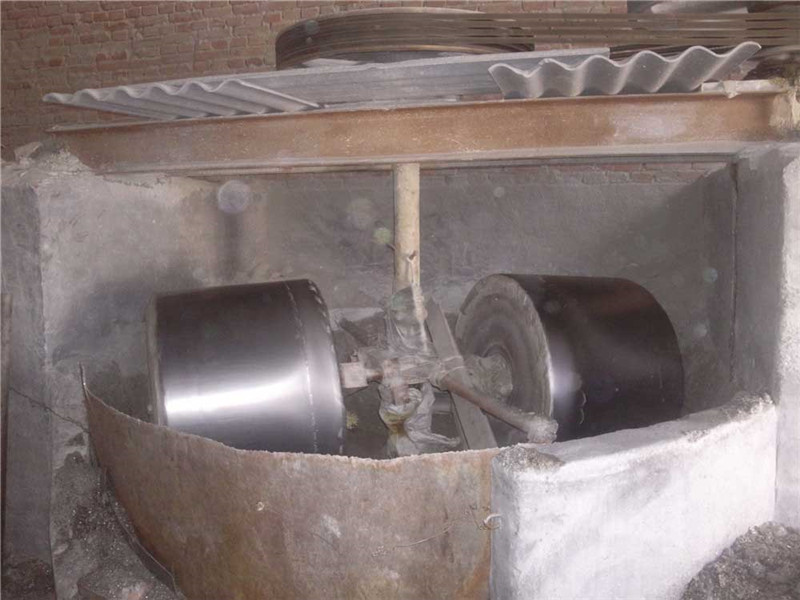
As a leading supplier of industrial minerals, Lingshou County Wancheng Mineral Co., Ltd. employs state-of-the-art milling technologies to ensure our talc powder meets the rigorous standards of the rubber industry. The production process involves multi-stage air classification, magnetic separation to remove metallic impurities, and precise particle size control. This ensures that every batch exhibits consistent color, high purity, and the required particle size distribution (PSD).

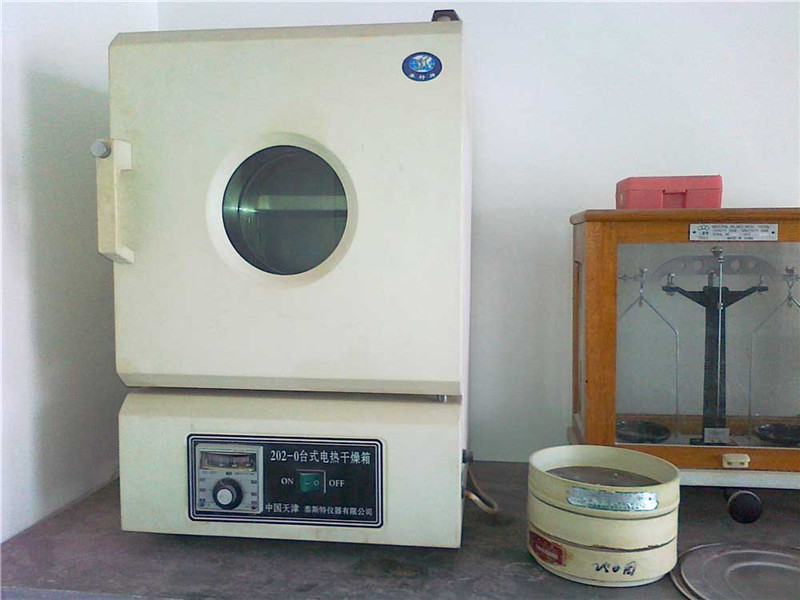
Our quality control laboratory monitors key parameters including oil absorption, moisture content, brightness, and particle size distribution using laser diffraction analyzers. This meticulous process guarantees that our micronized talc disperses perfectly in elastomer matrices, preventing the formation of agglomerates that could act as stress concentrators and cause premature product failure.

Tailored Particle Sizes & Surface Treatments

We understand that different rubber compounding scenarios require unique solutions. Whether your application requires ultra-fine talc for high-precision seals or cost-effective grades for heavy industrial hoses, we offer customized particle size distributions and surface modification options to optimize compatibility with your polymer system.