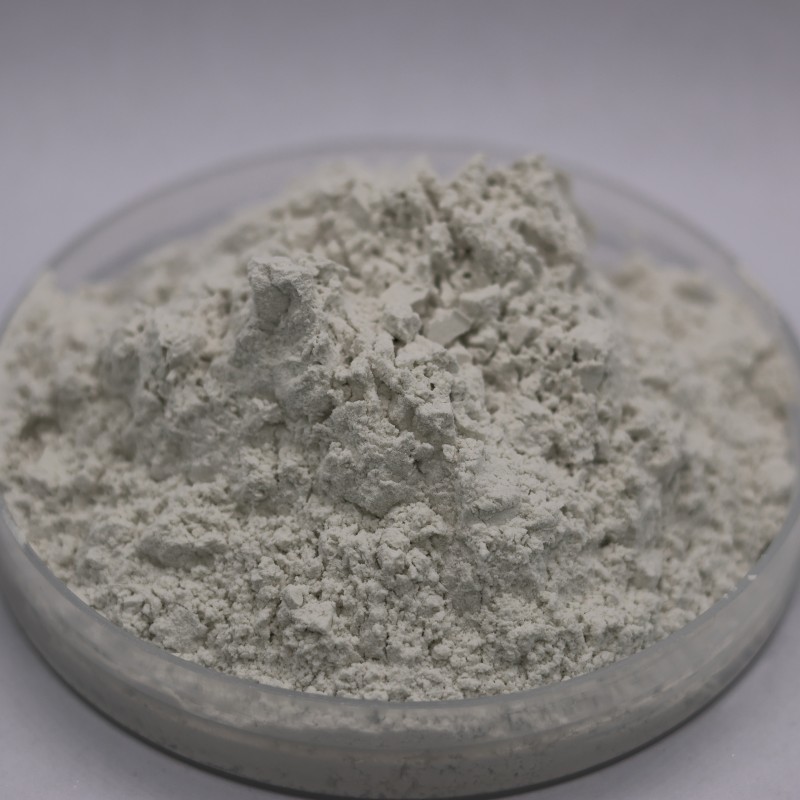
Engineered platy minerals and functional silicates designed for high-performance elastomer formulations and specialized rubber processing.
The global rubber compounding sector is witnessing a transformative shift from traditional extenders toward multifunctional, high-aspect-ratio reinforcing silicates.
For decades, tire and technical rubber manufacturers heavily relied on commodity reinforcing fillers such as carbon black and precipitated silica, balanced with low-cost inert extenders like ground calcium carbonate (GCC). However, emerging performance standards across automotive, aerospace, green mobility (EVs), and industrial sealing demand complex property combinations: superior air impermeability, dynamic heat build-up reduction, flame retardancy, and lightweighting.
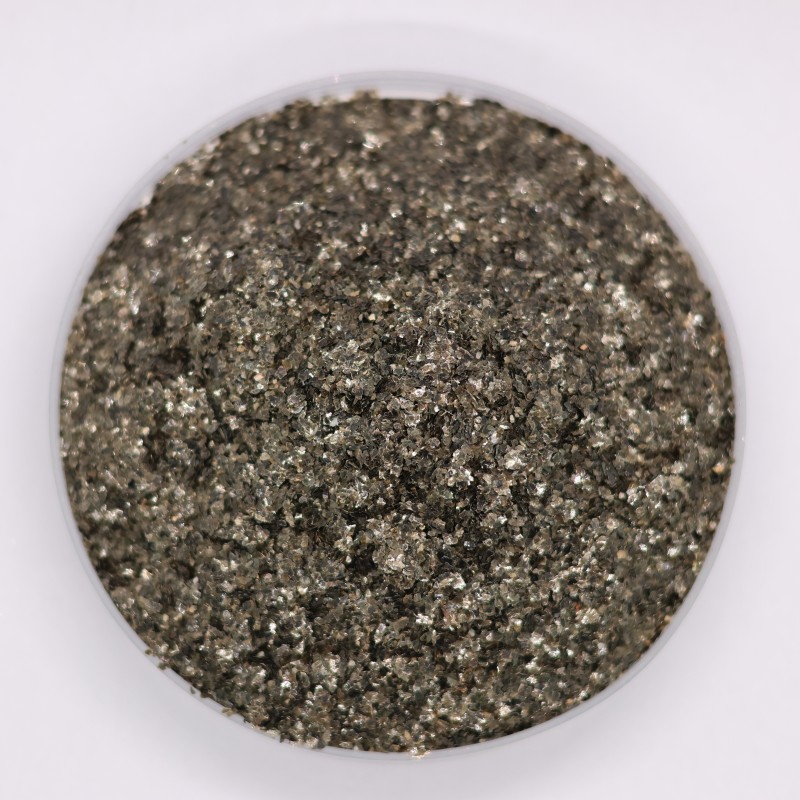
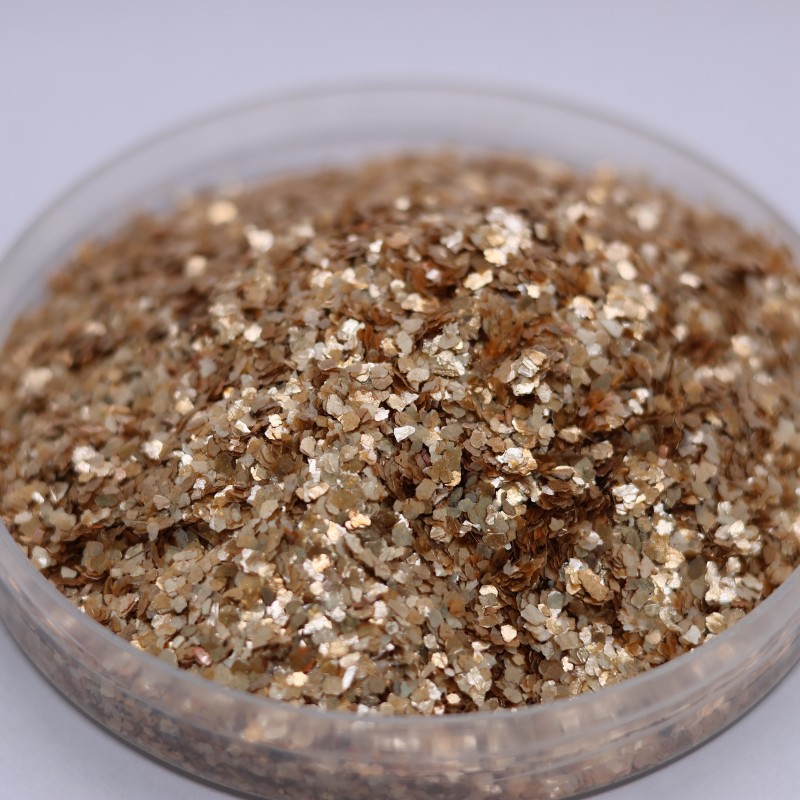
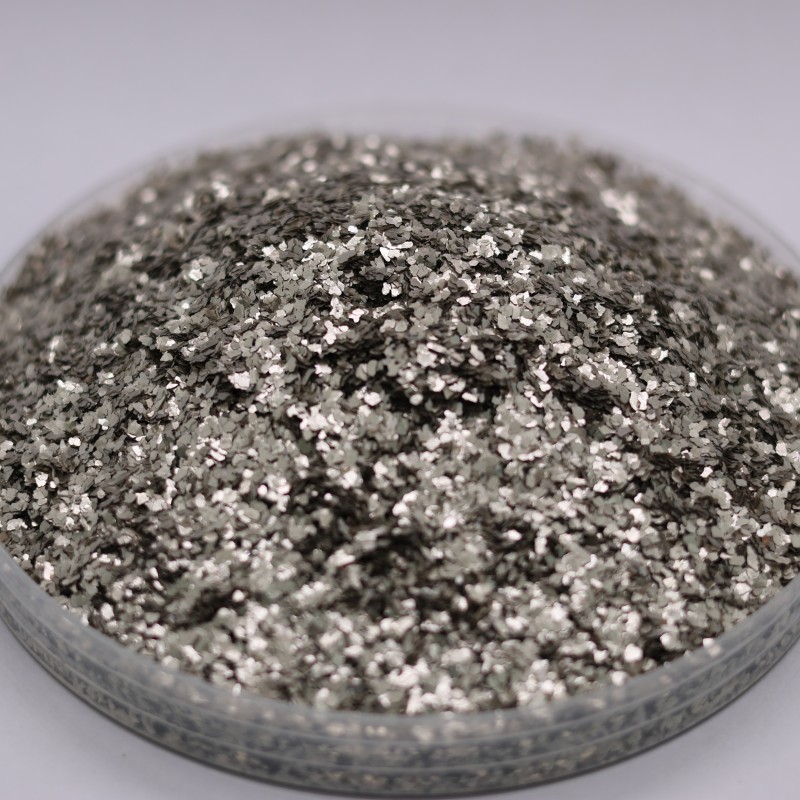
Muscovite mica powder [KAl₂(AlSi₃O₁₀)(OH)₂], recognized for its unique 2D laminar crystal structure and exceptionally high aspect ratio (diametric-to-thickness ratio frequently exceeding 30:1 to 80:1), has emerged as a premier functional mineral filler. Unlike spherical or nodular particles, delaminated muscovite flakes provide anisotropic mechanical reinforcement and planar orientation within elastomer matrixes.
Industrial Trend: In EV battery pack sealing gaskets and ultra-low rolling resistance tire inner liners, wet-ground muscovite mica powder is increasingly substituted for traditional platelet clays and talc to deliver unmatched gas barrier properties and high-voltage dielectric insulation.
The rise of Electric Vehicles requires rubber compounds with superior acoustic damping, extreme thermal endurance, low VOC emissions, and exceptional electrical insulation for high-voltage orange cable jacketing. Muscovite mica meets these stringent automotive criteria without compromising vulcanizate processability.
Naturally occurring, finely engineered muscovite mica drastically reduces the dependency on petroleum-derived carbon black. Its chemical inertness and low energy-intensive extraction pathway facilitate significant greenhouse gas abatement in rubber product manufacturing cycles.

Understanding how 2D muscovite crystalline lamellae physically and chemically interact with vulcanized rubber networks.
During calendering, extrusion, and injection molding, shear fields align the mica platelets parallel to the flow direction. This orientation distributes applied mechanical loads over a vast surface area, effectively blunting micro-crack propagation, increasing modulus at 100%/300% elongation, and substantially boosting tear resistance.
The high aspect ratio of muscovite mica creates an intricate, labyrinthine barrier network within the rubber matrix. Gas molecules (such as N₂, O₂, CO₂) and volatile solvents must traverse a tortuous diffusion path, drastically lowering the permeability coefficient in tire inner liners and fuel containment hoses.
Surface-treated muscovite mica interacts harmoniously with elastomer polymer chains (NR, SBR, EPDM, NBR). The uniform spatial dispersion minimizes filler-filler agglomeration networks, suppressing the dynamic strain amplitude dependence (Payne effect) and curbing hysteretic energy dissipation.
| Evaluation Parameter | Muscovite Mica Powder | Precipitated Silica | Carbon Black (N330) | Ground Calcium Carbonate |
|---|---|---|---|---|
| Particle Morphology | 2D Lamellar / Platy Flake | 3D Amorphous Aggregate | Spherical Aciniform Aggregate | Nodular / Rhombohedral |
| Aspect Ratio (L/D) | 30:1 – 90:1 | 1:1 – 3:1 | 1:1 – 2:1 | ~ 1:1 |
| Gas Impermeability Boost | Exceptional (>65% Permeation Drop) | Moderate | Low to Moderate | Negligible |
| Thermal Stability (°C) | Up to 900 – 1000 °C | ~ 600 °C | Decomposes in Oxidizing Air | Decomposes ~ 825 °C |
| Dielectric Breakdown Voltage | Superior (>25 kV/mm) | Moderate | Conductive / Semi-conductive | Low to Moderate |
| Dimensional Shrinkage Control | Outstanding (Anisotropic control) | Moderate | Moderate | Poor |
Where high-purity muscovite mica unlocks critical functional advantages across diverse commercial and heavy industrial elastomer formulations.
Incorporated into Halobutyl (BIIR/CIIR) and Natural Rubber (NR) blends, muscovite mica replaces a fraction of high-structure carbon black. It sharply reduces air inflation loss over extended durations and minimizes internal hysteretic heat build-up (Tan δ reduction at 60°C), directly boosting fuel economy.
With its high dielectric strength, muscovite mica reinforces EPDM and silicone rubber formulations used in EV wiring harness sheaths, power distribution cable sleeves, and fire-resistant battery enclosure compression seals that must maintain structural integrity under high-heat thermal runaway scenarios.
In heavy quarrying and mineral processing transport belts, mica powder enhances abrasion resistance, gouge resistance, and dynamic flexural fatigue life under severe cyclic mechanical loads while resisting atmospheric ozone cracking and environmental aging.
Nitrile (NBR), Fluoroelastomer (FKM), and Chloroprene (CR) hoses filled with ultrafine muscovite mica achieve superior fluid barrier barriers. The platy barrier effectively halts the micro-swelling and permeation of aggressive aromatic fuels, hydraulic oils, and refrigerant gases.
Provides UV shielding, thermal dimensional stability, and zero shrinkage during vulcanization. Eliminates post-mold warpage in dense EPDM profile extrusions used in commercial glazing facades and marine hatch sealing systems.
Enhances loss factor performance and acoustic dampening capacity in bridge expansion bearings, engine motor mounts, and train bogie suspension pads by converting mechanical vibration energy into benign dissipated microscopic thermal friction.
Technical recommendations for compounders to achieve optimal dispersion and interfacial bonding between mica platelets and polymer chains.
Because virgin muscovite mica possesses hydrophilic polar hydroxyl groups on its cleaved basal planes and edges, organic surface modification is recommended for non-polar rubber matrices (e.g., EPDM, NR, SBR). Utilizing sulfur-functionalized silanes such as bis(3-triethoxysilylpropyl)tetrasulfide (TESPT) or amino/methacryloxy silanes creates strong covalent bridging across the inorganic mica substrate and the vulcanizing polymer backbone.
This interfacial chemical coupling ensures efficient stress transfer across the boundary phase, dramatically optimizing tensile strength, tear strength, and resilience while lowering compound Mooney viscosity during internal Banbury mixing cycles.
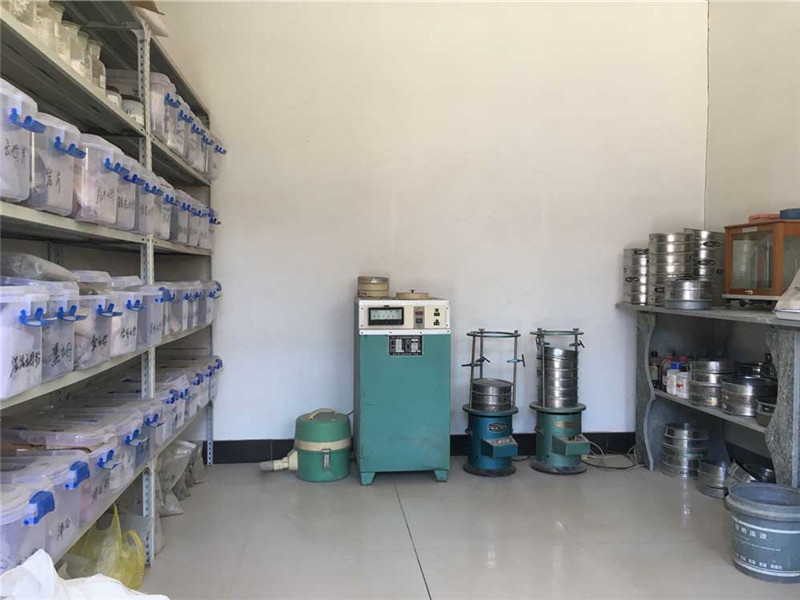
Over two decades of precision mineral processing, continuous research, and worldwide industrial supply.
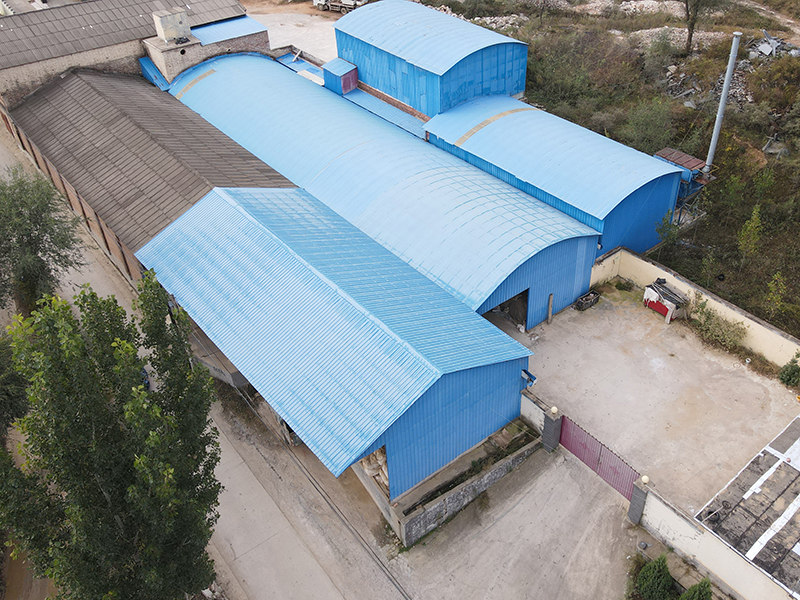
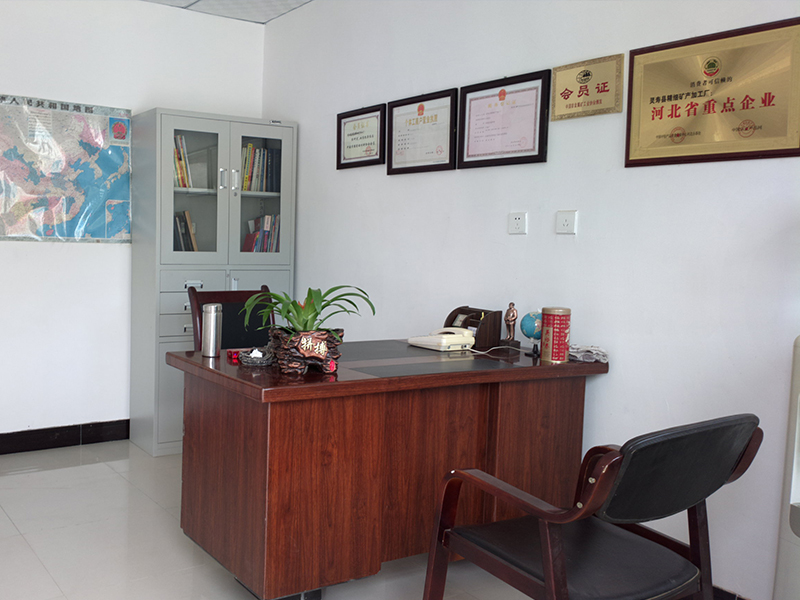
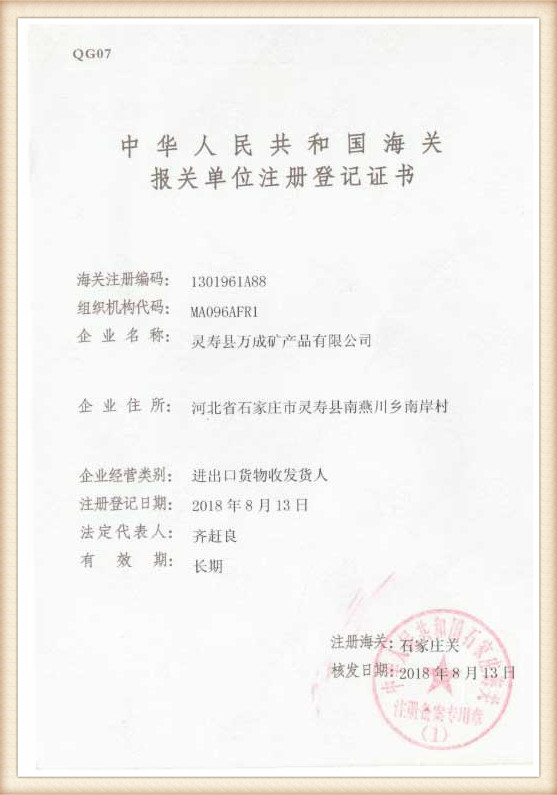
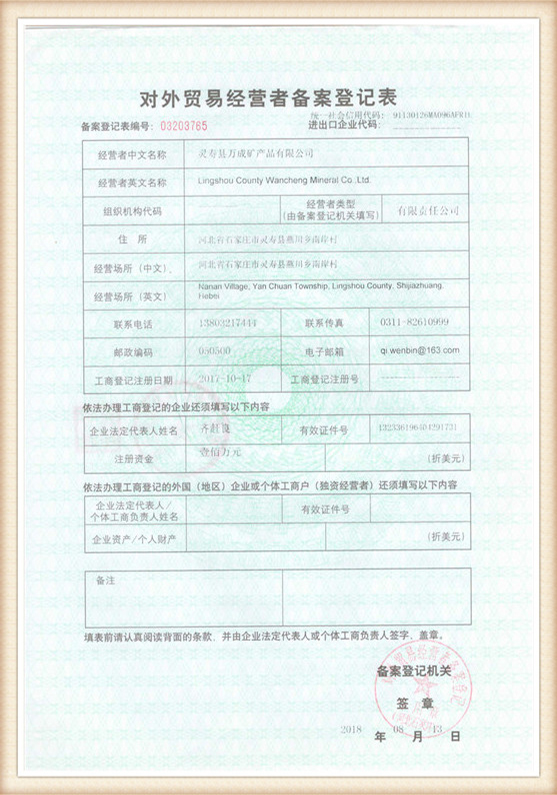
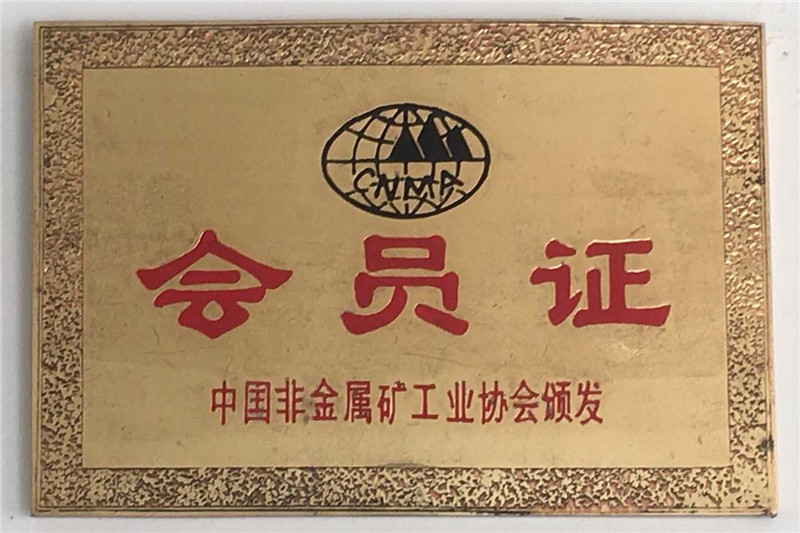
Lingshou County Wancheng Mineral Co., Ltd. is a professional manufacturer and supplier of non-metallic mineral products located in Lingshou County, Hebei Province, China. Founded in 2000, the company was formerly known as Lingshou JingXi KuangChan Processing Factory. Since its establishment, we have focused on the processing, production, and supply of non-metallic mineral materials for industrial customers in China and international markets. Our main products include mica, talc, vermiculite, bentonite, tourmaline, and glass beads. With years of experience in mineral processing and international trade, we are able to provide products in different grades, particle sizes, and packaging options according to customers’ specific requirements.
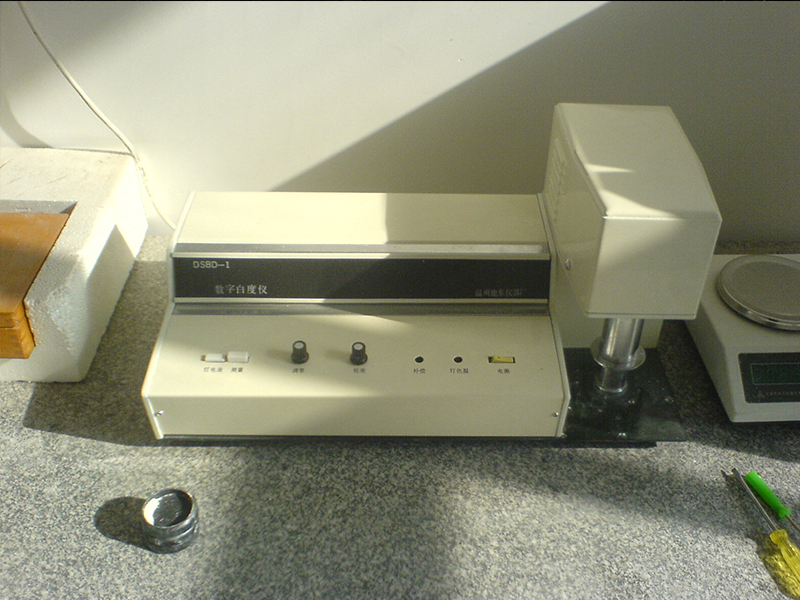
Adhering to strict international standards for non-metallic mineral processing and high-consistency compounding fillers.
Explore our comprehensive selection of high-grade industrial mica, talc, and specialty mineral powders engineered for global compounding applications.