Leave Your Message

Negative Ion Powder from China Factory - Quality Suppliers for Functional Mineral Additives

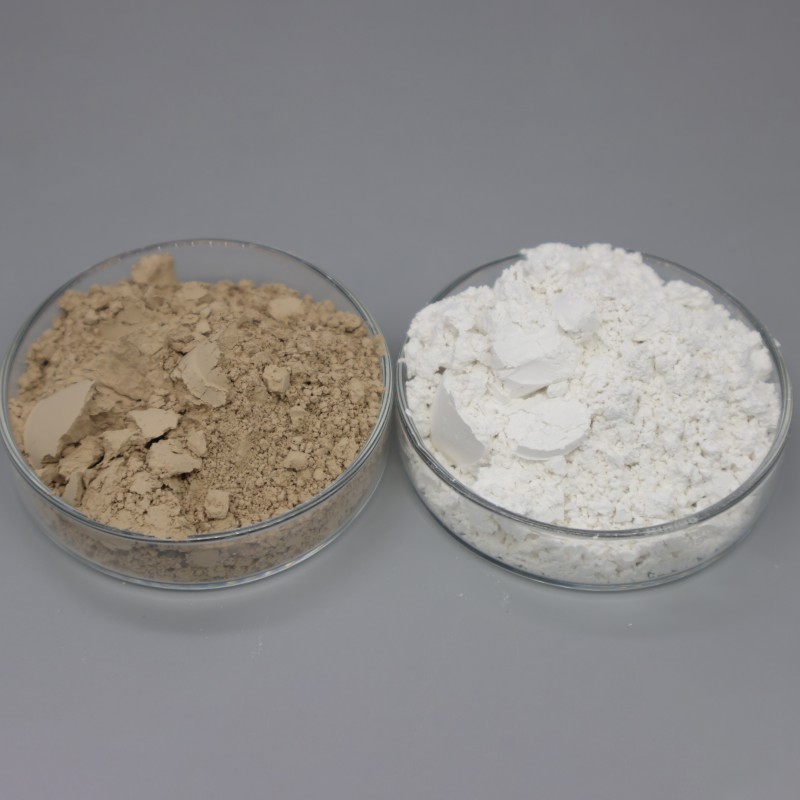
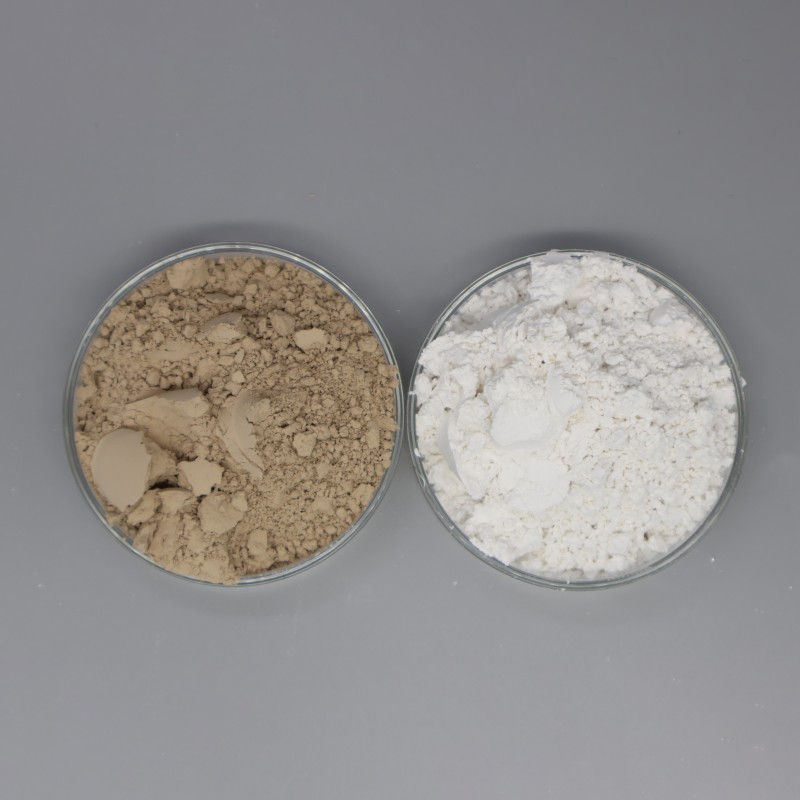
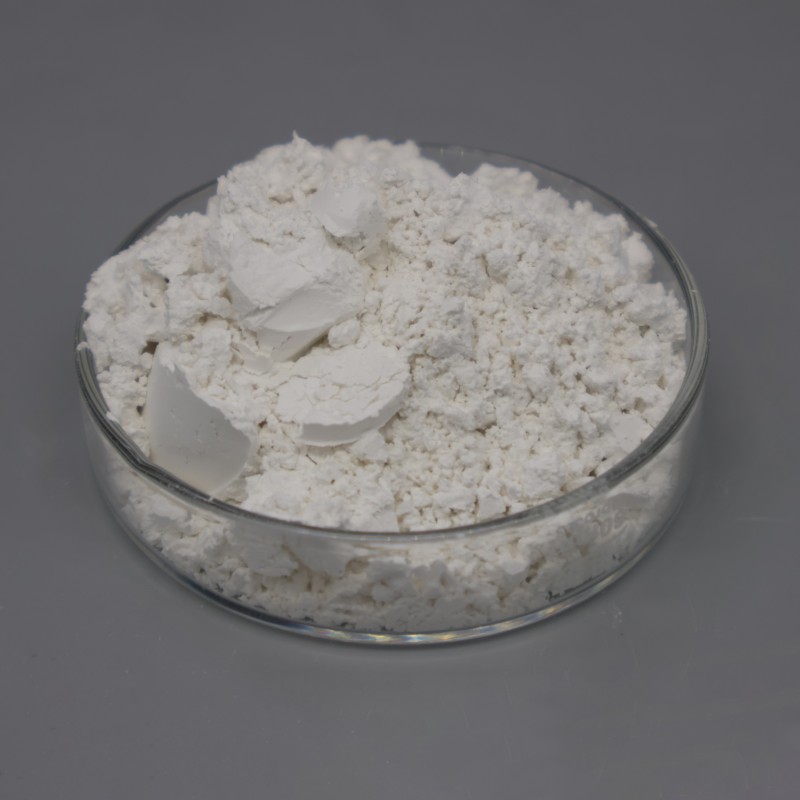
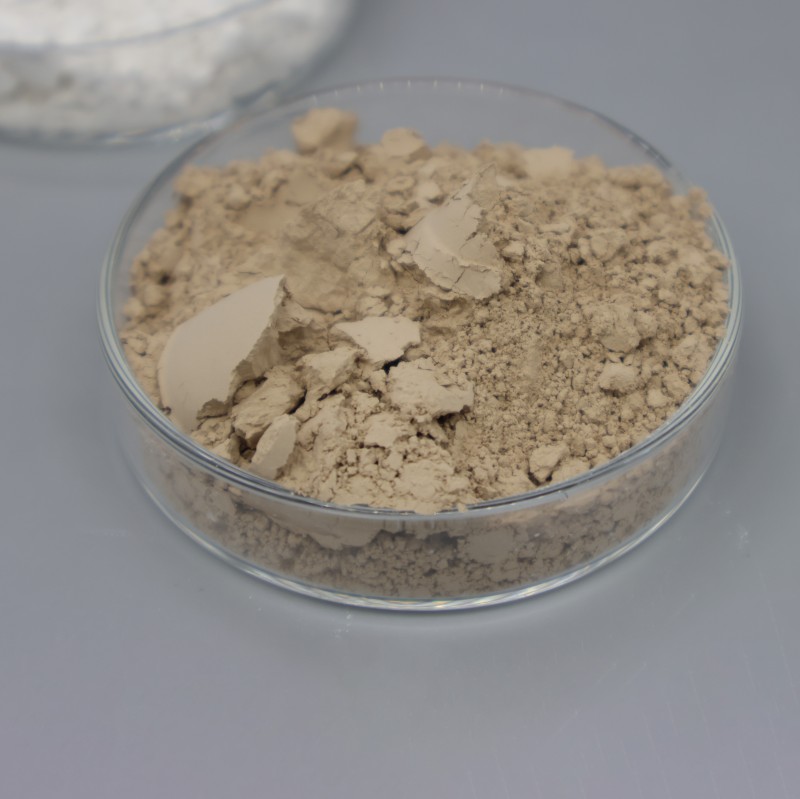
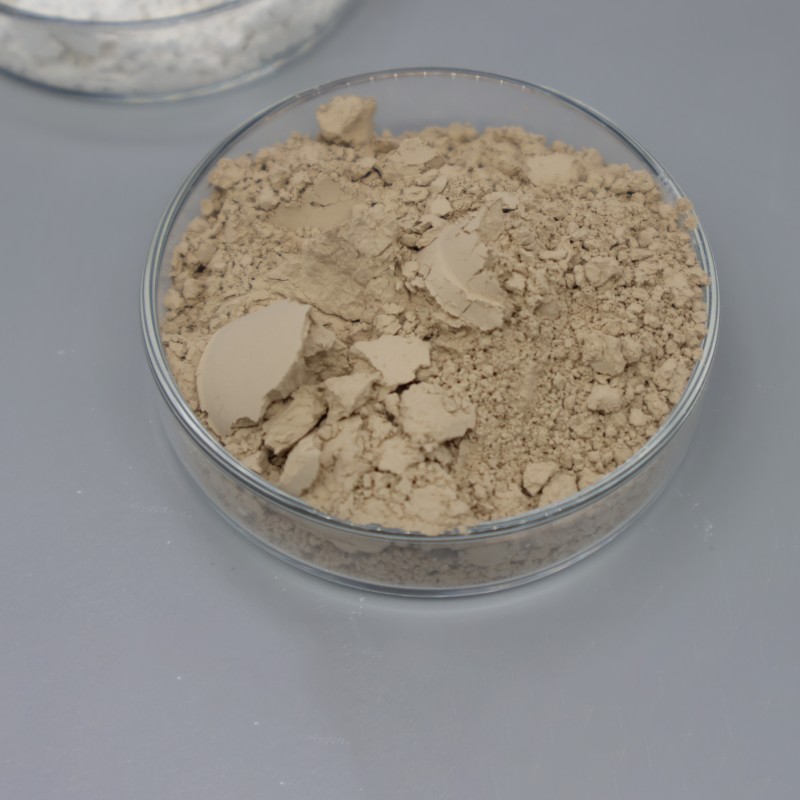
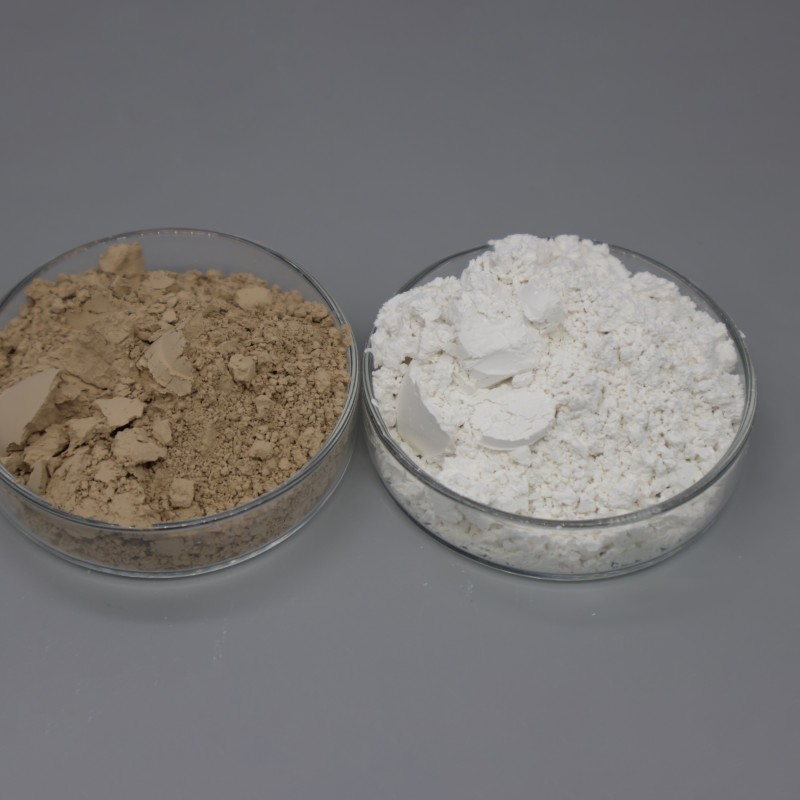
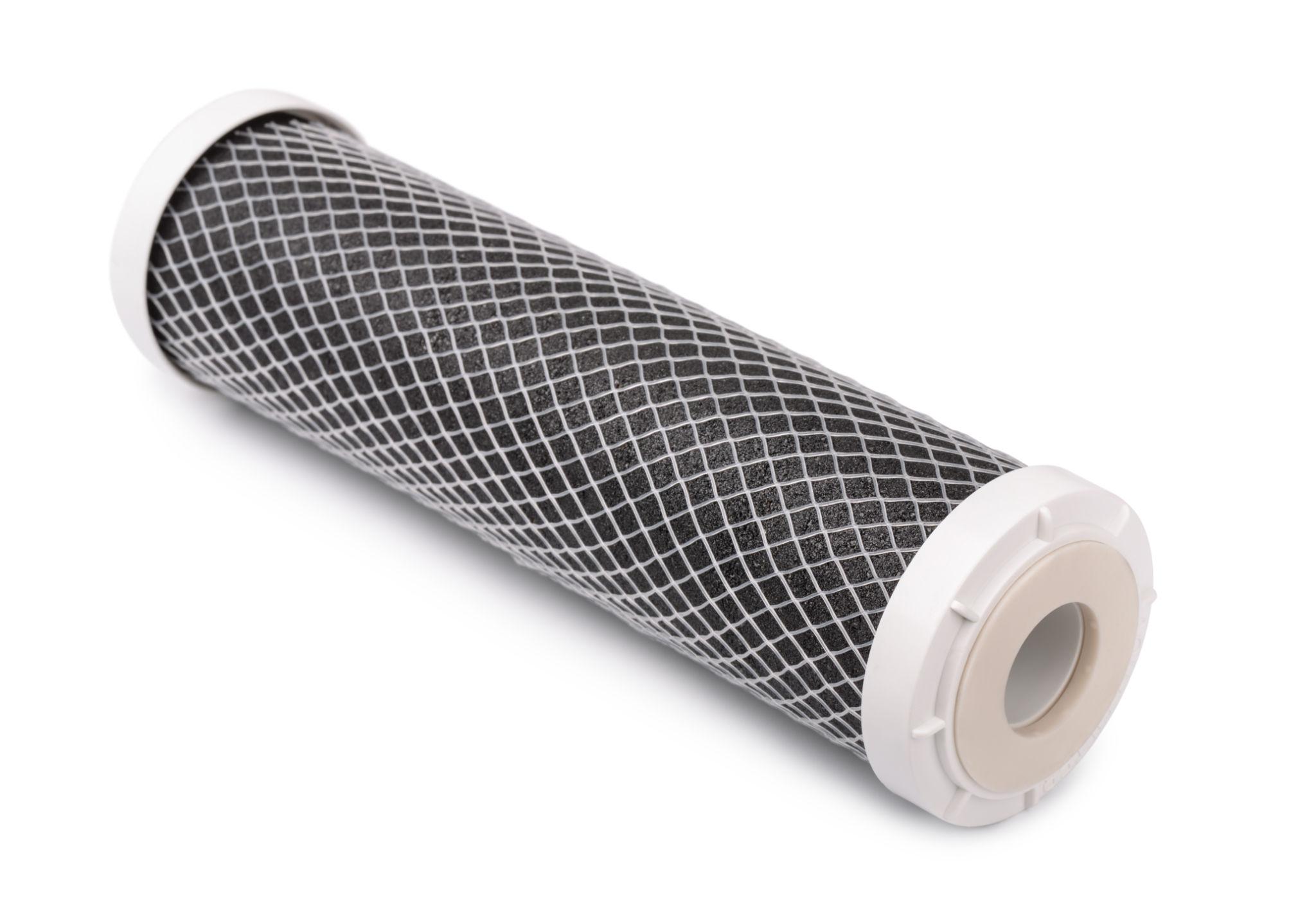
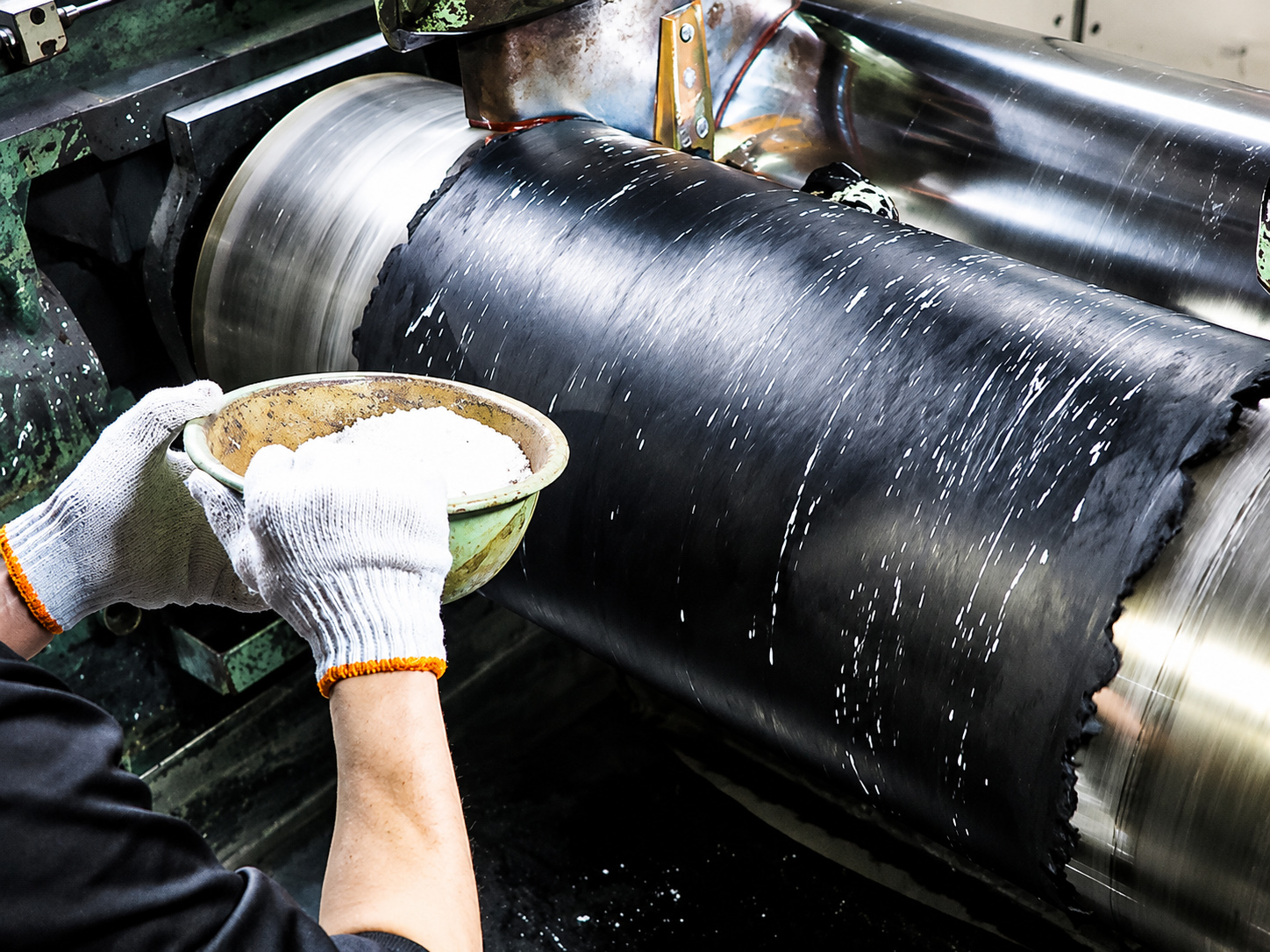
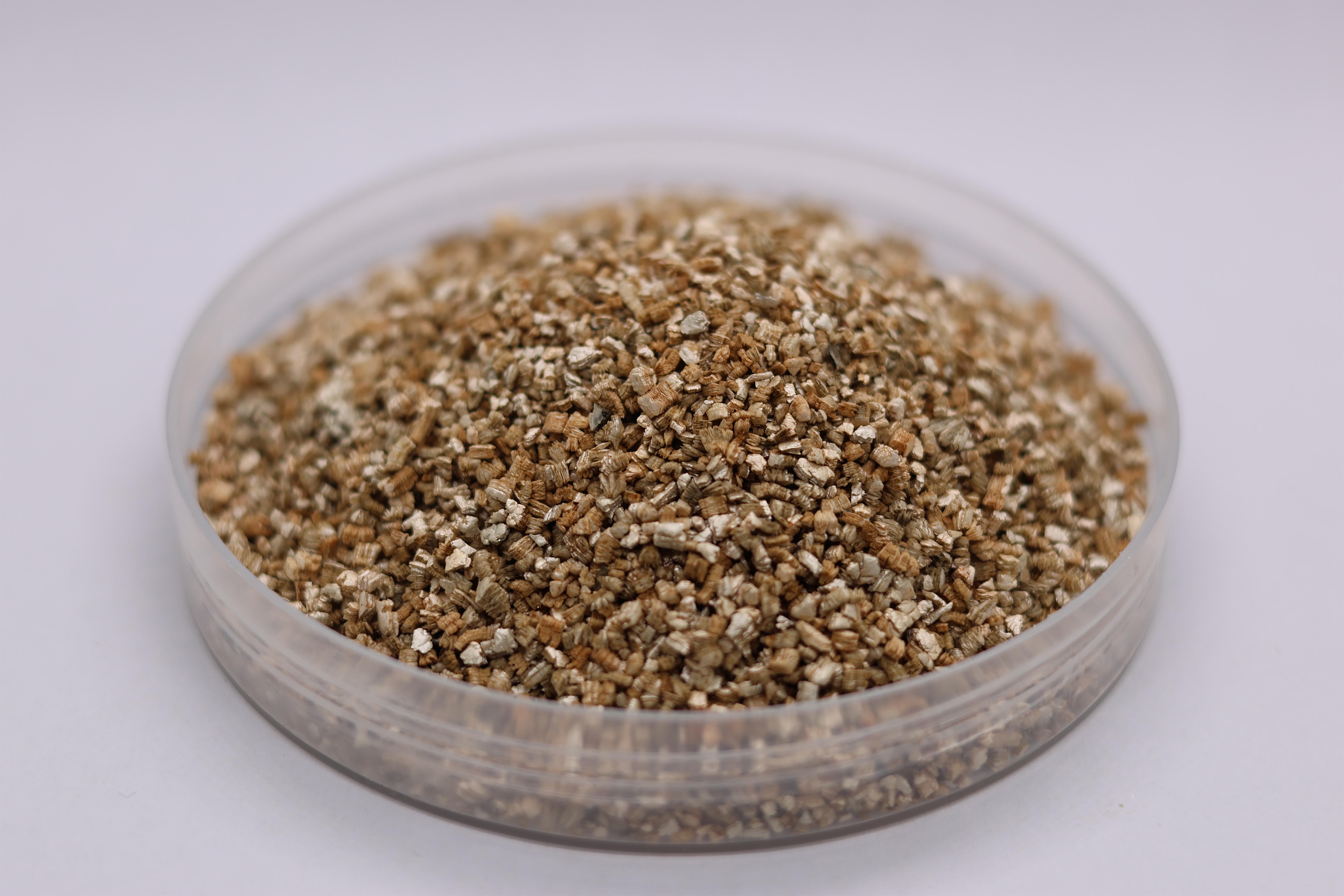
Negative ion powder is a high-quality functional mineral powder sourced from selected natural minerals, including tourmaline-based and ceramic minerals. Produced through processes like crushing, grinding, purification, classification, and optional surface treatment, this powder is ideal for various applications. As a leading China supplier and factory, WANCHENG MINERAL provides a versatile additive for coatings, plastics, ceramics, textiles, rubber, building materials, and water treatment products.

What sets negative ion powder apart from ordinary mineral fillers is its unique functional characteristics. It serves as a specialized additive for customers aiming to create products enriched with mineral functionality, far infrared performance, and negative ion benefits. This innovative powder enhances product perception and market differentiation, making it an essential choice in combination with other industrial mineral fillers such as tourmaline powder, far infrared powder, and talc powder.

WANCHENG MINERAL offers negative ion powder in various fineness levels, colors, and formulations tailored to customer needs. Common forms include fine powder, ultra-fine powder, and bespoke mineral powder blends. Our particle size can be customized to fit different processing systems, including water-based and solvent-based coatings, plastic masterbatches, ceramic glazes, textile finishing slurries, and rubber compounds.

International buyers are advised to select negative ion powder based on their end-product requirements, considering factors like fineness, color, compatibility, dosage levels, dispersion properties, packaging options, and testing methods. Given the varying regulations in different markets regarding functional and wellness-related claims, WANCHENG MINERAL encourages customers to conduct third-party testing and adhere to compliant marketing language tailored for their regions.

As a professional mineral supplier and factory in China, WANCHENG MINERAL prioritizes stable raw material sourcing, precise grinding, particle size classification, thorough batch inspections, clean packaging, and reliable export support. Our mission is to provide customers with consistent quality negative ion powder that meets practical industrial standards.

    This is a paragraph

    This is a paragraph

    This is a paragraph

    Chemical Component Typical Content Description
    SiO2 35% - 55% Main silicate component, varies by mineral formula
    Al2O3 15% - 35% Common aluminosilicate component
    B2O3 0% - 8% May be present in tourmaline-based grades
    Fe2O3 1% - 10% Affects color and mineral characteristics
    MgO 1% - 8% Depends on mineral source
    CaO 0.5% - 8% May come from ceramic or mineral components
    Na2O + K2O 0.5% - 5% Alkali components
    TiO2 Trace - 3% Controlled impurity or functional component
    Trace Elements Customized Depends on functional mineral formulation
    Frequently Asked Questions
    What is the primary chemical component in this material?
    Silicon Dioxide (SiO2) serves as the main silicate component, typically ranging between 35% and 55% depending on the specific mineral formula.
    Under what conditions is Boron Oxide (B2O3) included?
    B2O3 is present in concentrations ranging from 0% to 8% and is typically incorporated in tourmaline-based grades.
    How does Iron Oxide (Fe2O3) impact the material?
    Fe2O3 content (1% - 10%) primarily influences the color and specific mineral characteristics of the formulation.
    Where do the Calcium Oxide (CaO) and Magnesium Oxide (MgO) contents originate from?
    MgO (1% - 8%) depends directly on the mineral source, while CaO (0.5% - 8%) originates from ceramic or functional mineral raw materials.
    Can the trace elements and specific composition be customized?
    Yes, trace elements and specific mineral balances can be customized according to targeted functional mineral formulations.
    What are the alkali components in this composition?
    The combined Sodium Oxide and Potassium Oxide (Na2O + K2O) represent the alkali components, typically making up 0.5% to 5% of the formulation.

    This is a paragraph

    This is a paragraph

    This is a paragraph

    This is a paragraph

    This is a paragraph

    This is a paragraph

    This is a paragraph

    This is a paragraph

    This is a paragraph

    This is a paragraph

    This is a paragraph

    This is a paragraph

    This is a paragraph

    This is a paragraph

    This is a paragraph

    Application Image Grid Placeholder

    FAQ

    • This is a paragraph

    • This is a paragraph

    • This is a paragraph

    • This is a paragraph

    • This is a paragraph

    • This is a paragraph

    • This is a paragraph

    • This is a paragraph

      This is a paragraph

    This is a paragraph

    This is a paragraph

    This is a paragraph
    This is a paragraph