


Bentonite Packaging and Storage Guide
For Bentonite for Drilling Mud users in oilfield, HDD, water well, geotechnical and civil slurry applications
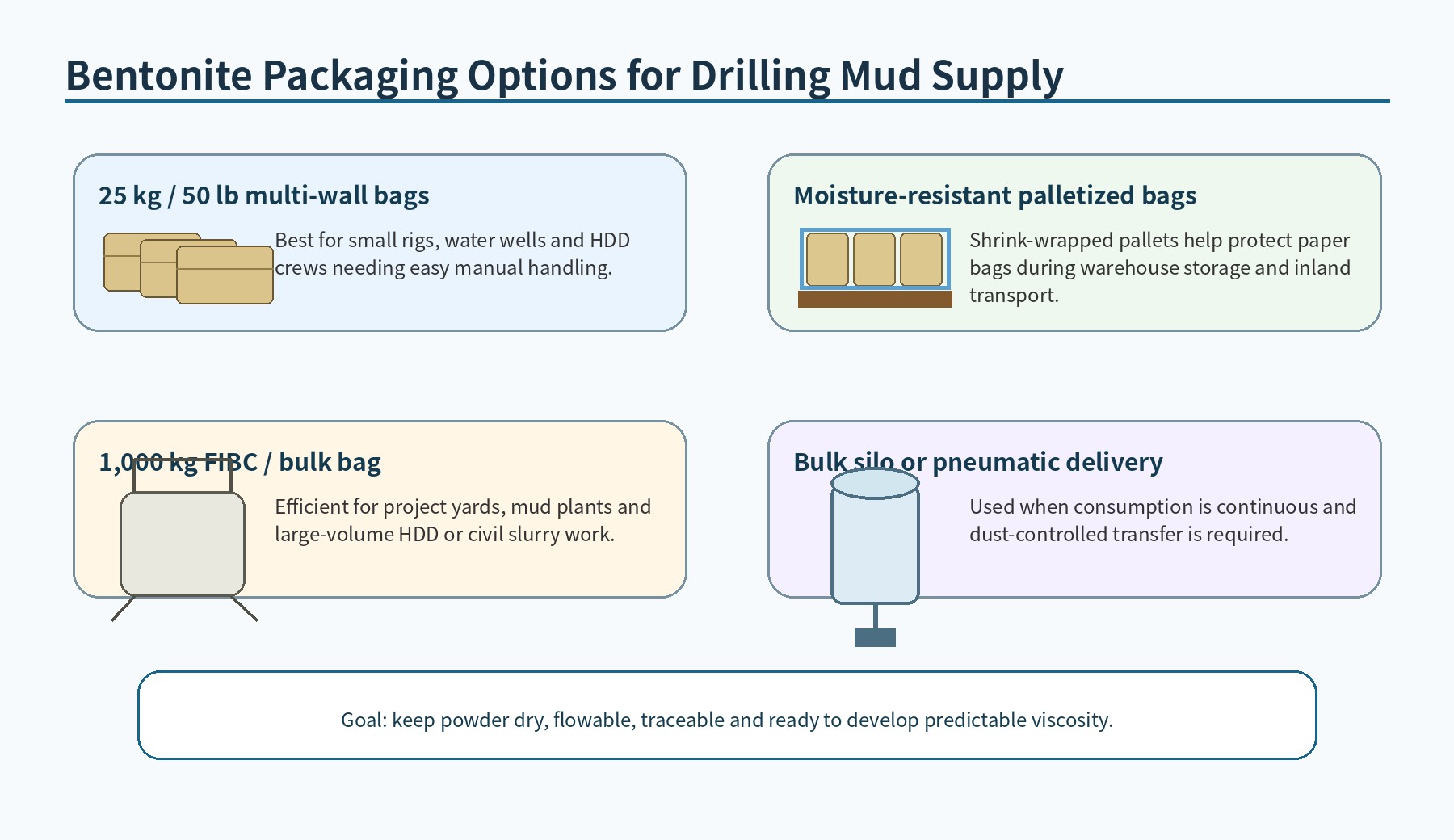
Figure 1. Common bentonite packaging options for drilling mud supply chains.
| Document structure | English article first, Chinese article second. No paragraph-level bilingual mixing. |
| Font | Noto Sans CJK SC throughout the document. |
| Use case | Website SEO, product education, customer support and related-article linking. |
Bentonite Packaging and Storage Guide
Bentonite for drilling mud is often evaluated by viscosity yield, filtration control, hydration speed and borehole stability performance. However, those properties are only reliable when the powder arrives dry, clean and traceable. Packaging and storage are therefore not secondary logistics details. They are part of drilling fluid quality control.
This guide explains how drilling contractors, distributors and project owners should specify, receive, store and inspect bentonite used in oilfield drilling fluids, water well drilling, HDD projects, mineral exploration, bored piling, diaphragm wall construction and other civil slurry systems.
Why Packaging Matters for Drilling Mud Performance
Sodium bentonite develops value when the clay platelets hydrate and disperse in water. If the material absorbs moisture during transportation or warehouse storage, part of that hydration can begin before mixing. The result is not simply a cosmetic issue. Wet or partly hydrated bentonite can form hard lumps, bridge in hoppers, disperse slowly in a mixing tank and deliver inconsistent Marsh funnel viscosity or lower effective yield.
· Protects viscosity yield by preventing premature hydration and caking.
· Maintains powder flowability for sack hoppers, jet mixers, bulk-bag dischargers and silos.
· Reduces contamination from cement, soil, salts, oil, polymer residues or rainwater.
· Preserves lot identification, certificate of analysis data and complaint traceability.
· Improves site safety by reducing torn bags, unstable stacks and excessive dust during handling.
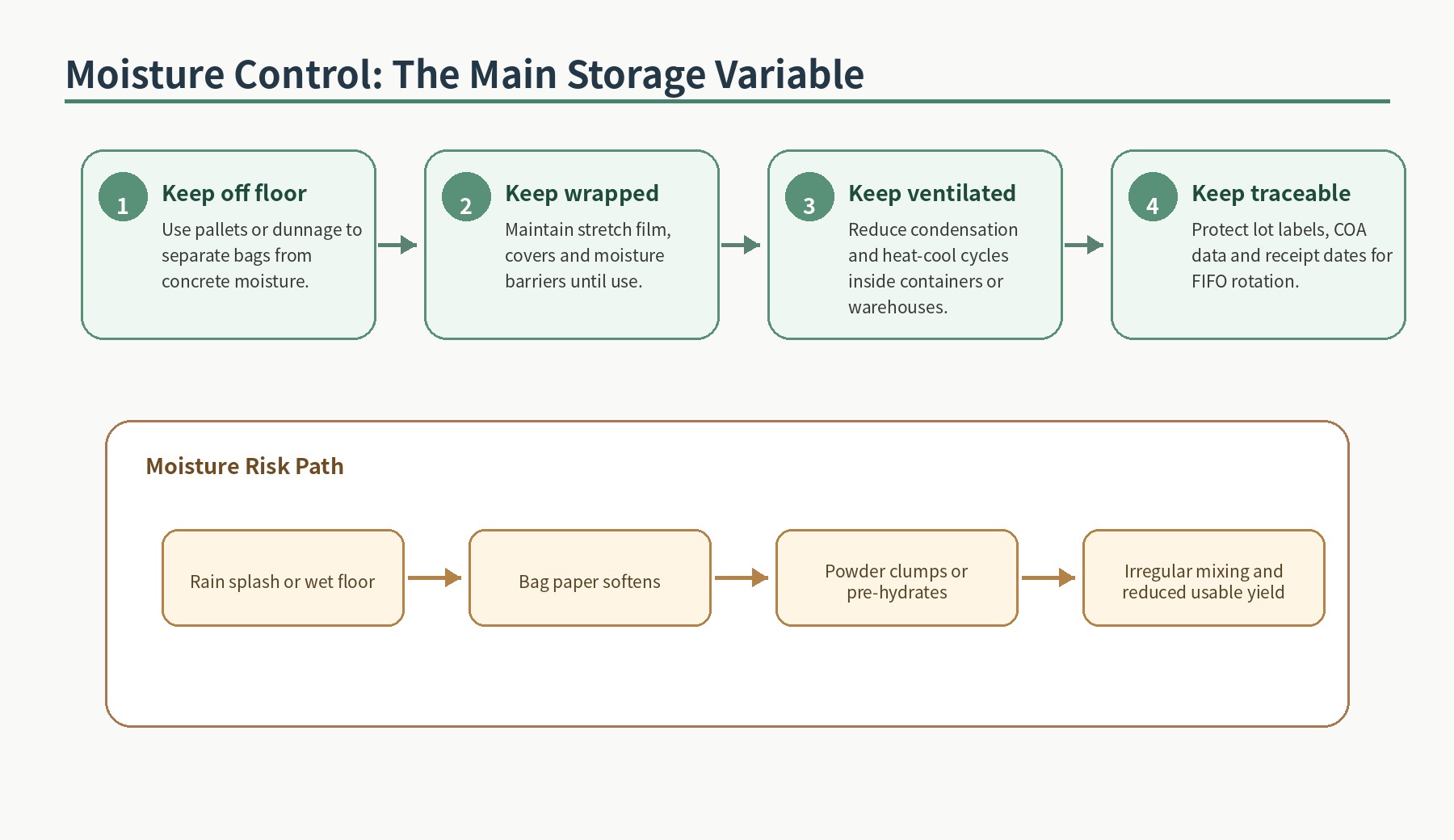
Figure 2. Moisture control is the central storage variable for drilling-grade bentonite.
Common Packaging Formats
There is no single best packaging format for every drilling market. Manual drilling crews often prefer small bags. Large HDD and civil engineering projects may prefer FIBCs or silo delivery. Export distributors may require palletized bags with moisture-resistant outer protection. The correct choice depends on consumption rate, handling equipment, transport distance, climate and warehouse capability.
| Packaging format | Typical use | Advantages | Key checks |
| 25 kg multi-wall bags | International export, HDD, water well and geotechnical distributors | Easy handling, standard pallet loading, good unit traceability | Bag ply integrity, pallet wrapping, label readability, moisture stains |
| 50 lb / 22.7 kg bags | North American water well, HDD and drilling-fluid supply chains | Common retail and contractor format; manageable sack weight | Sack count per pallet, torn corners, stretch wrap, dust leakage |
| Moisture-resistant paper or laminated bags | Humid regions, marine transport, outdoor-adjacent project storage | Better resistance against incidental humidity and short handling exposure | Seal quality, pinholes, delamination and edge damage |
| 1,000 kg FIBC / bulk bag | High-volume HDD, diaphragm wall slurry plants, mud plants | Lower packaging cost per ton, faster loading, reduced manual lifting | Lifting loops, liner condition, discharge spout, UV/weather exposure |
| Bulk silo / pneumatic delivery | Continuous consumption or large project yards | Reduced bag waste, controlled dust transfer, high throughput | Silo dryness, filter condition, transfer line moisture and lot segregation |
Core Storage Conditions
The storage rule for drilling bentonite can be stated simply: keep it dry, sealed, clean, ventilated, stable and traceable. Temperature is usually less important than moisture. A hot but dry warehouse is often less damaging than a cooler warehouse with condensation, leaking roof panels or wet concrete floors.
· Store bags and FIBCs indoors whenever possible; avoid direct rain, snow, standing water and roof leaks.
· Keep pallets off concrete floors by using sound pallets, dunnage or racks.
· Maintain original shrink wrap or covers until the pallet is moved into active use.
· Do not store bentonite directly beside acids, salts, cement, fuels, solvents or waste materials that could contaminate the powder.
· Keep warehouse ventilation sufficient to reduce condensation inside containers or enclosed storage rooms.
· Separate lots clearly and maintain lot numbers, COA records and receiving dates.
· Use FIFO or FEFO inventory rotation; older or previously opened lots should be tested before high-risk drilling work.
What Happens When Bentonite Gets Wet?
Moisture damage is progressive. At first, a pallet may show only slight bag softening or small lumps near the corners. Later, the product can develop hard cakes, poor flow through hoppers and delayed dispersion in the mud tank. Severe moisture exposure may turn the outer bags into a slippery mass and can compromise both safety and drilling fluid consistency.
| Observed condition | Probable cause | Operational risk | Recommended action |
| Light bag softening or small edge clumps | Short humidity exposure or minor condensation | Usually manageable, but mixing may be less uniform | Use first after visual inspection; test viscosity if critical |
| Visible water stains, wet pallet base or hardened lower bags | Rain splash, wet floor or container condensation | Reduced flowability and inconsistent hydration | Isolate pallet; test representative samples before release |
| Large hard lumps or bag deformation | Partial hydration inside package | Hopper bridging, slow dispersion and lower usable yield | Do not use for critical jobs without lab approval |
| Torn, contaminated or unlabeled bags | Handling damage or poor warehouse segregation | Unknown quality, unknown lot and contamination risk | Quarantine and investigate before use |
Receiving Inspection Checklist
Receiving inspection should be fast but disciplined. A pallet that is accepted without photos, lot records or damage notes becomes difficult to trace after a drilling problem occurs. Inspection should be documented before the product is moved into general inventory.
1. Confirm product name, grade, purchase order, bag weight and pallet quantity.
2. Check the certificate of analysis or batch test sheet where supplied.
3. Inspect pallet condition, stretch film, banding, bag corners and underside of the pallet.
4. Look for water marks, discoloration, caked powder, dust leakage and foreign material.
5. Photograph any damaged pallet before unloading or restacking.
6. Assign warehouse location and record receiving date, lot number and quantity.
7. Quarantine questionable pallets instead of mixing them into normal stock.
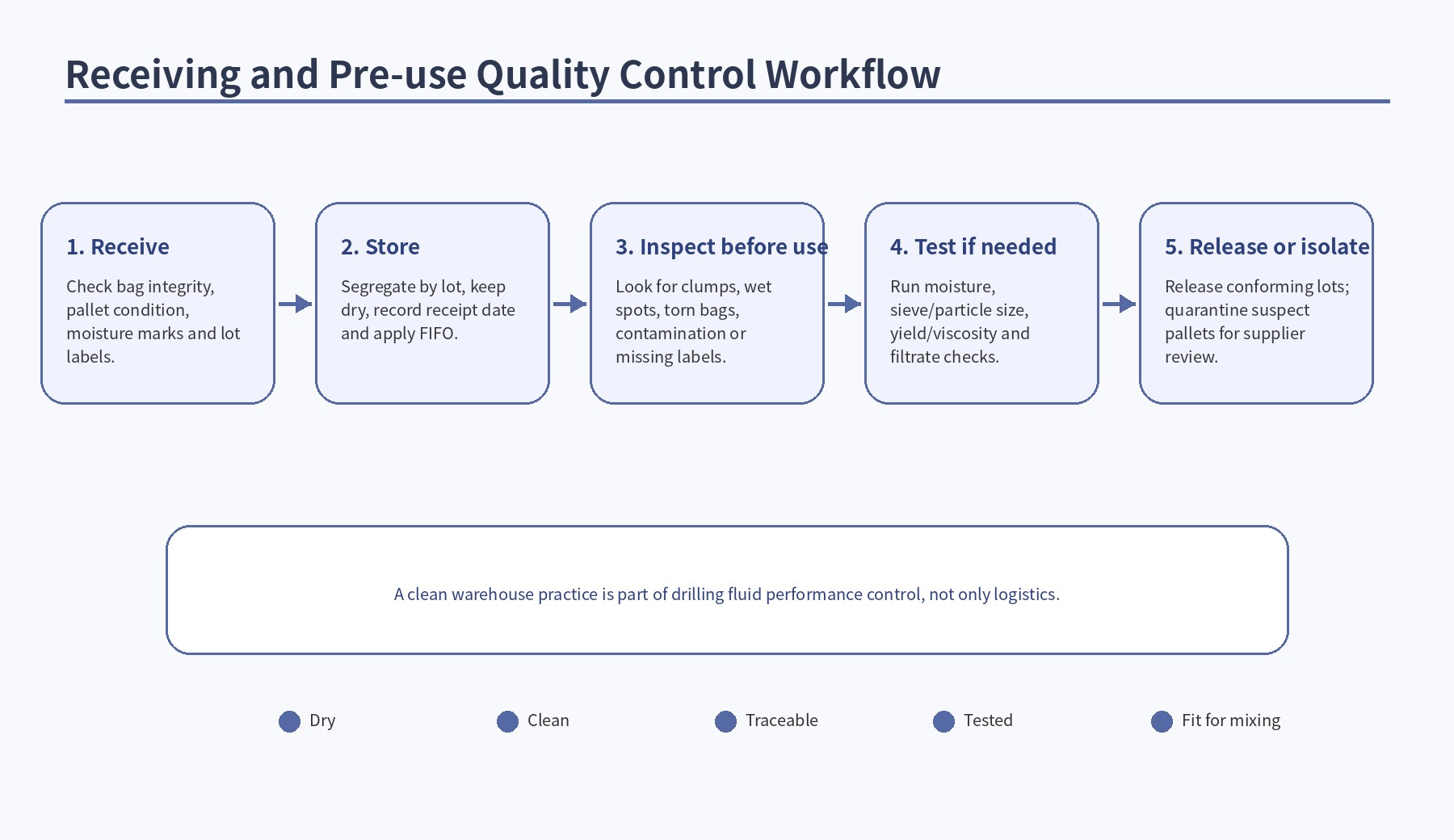
Figure 3. Recommended receiving and pre-use control workflow for drilling bentonite.
Warehouse Layout and Pallet Handling
A good warehouse layout reduces both product damage and worker exposure. Bentonite bags are heavy, dusty if ruptured and slippery when wetted. Pallets should be stored on stable surfaces, away from forklift impact zones and away from drainage paths where rainwater can enter the building.
· Use clear aisles wide enough for forklift turning without striking pallets.
· Store heavier or unstable loads at lower levels; do not exceed racking load ratings.
· Avoid leaning stacks; rewrap or restack pallets with shifted loads.
· Keep damaged bags in a contained area; clean spilled powder with dust control rather than dry sweeping into the air.
· Do not use water to wash large bentonite spills unless the slurry can be contained, because wetted bentonite becomes slippery.
· For export stock, consider pallet covers, container desiccants and moisture-barrier liners when shipping through humid ports.
Transportation and Export Packaging
Transport risk increases when bentonite moves through ports, seasonal humidity, container condensation or long inland routes. Export packaging should be specified before production, not corrected after the goods arrive at the port. The safest export plan combines dry pallets, intact wrapping, a clean container floor, moisture control and clear pallet labels.
| Transport stage | Main risk | Practical control |
| Factory loading | Rain exposure during loading or wet pallets | Load under cover; inspect pallet base; use dry forklift forks and clean floor areas |
| Container shipping | Condensation, roof drips or container floor moisture | Use inspected containers, liners or desiccants where justified by route and season |
| Inland delivery | Pallet movement, torn stretch film, punctured bags | Use stable pallet patterns, corner protection and careful forklift handling |
| Project site storage | Outdoor exposure and repeated opening/closing | Move only daily use quantity to the drill site; keep reserve stock indoors or covered |
Shelf Life: Use a Performance-Based Approach
Drilling bentonite does not have a universal shelf life that applies to every package, climate and product grade. If the product remains dry, sealed and uncontaminated, it can retain usability for a long period. If it is exposed to moisture or stored in damaged packaging, performance can drop quickly. For website and technical sales content, it is safer to describe shelf life as conditional rather than promising a fixed number of months.
A practical inventory policy is to rotate stock within the supplier-recommended period and re-test older lots, opened pallets or any material with visible moisture damage. High-risk applications such as HDD pullback, oilfield drilling, deep water wells, diaphragm walls and slurry trenching should not rely on visual inspection alone when the material history is uncertain.
· For unopened, well-stored product: use normal FIFO rotation and keep COA records.
· For older but dry stock: run a simple field mixing test before large-scale use.
· For moisture-exposed stock: isolate, sample and test before use; do not blend suspect material into good stock to hide damage.
· For critical drilling: confirm viscosity yield, filtration behavior and mixing time before release.
Pre-use Field Test Indicators
Before a major job, a small pre-use test can prevent expensive drilling interruptions. The exact test method should follow the buyer specification, supplier technical data sheet or applicable drilling-fluid standard. The aim is to confirm that the stored product still mixes quickly and develops the expected fluid properties.
| Indicator | What it shows | Warning sign |
| Visual powder condition | Dryness, cleanliness and absence of hard lumps | Caking, foreign material, wet odor or color change |
| Mixing behavior | Ease of dispersion in freshwater | Fish eyes, floating lumps or delayed hydration |
| Marsh funnel viscosity | Quick field indication of fluid thickening ability | Lower than expected viscosity at the same dosage |
| API/standard filtrate trend | Ability to form a low-permeability filter cake | Higher fluid loss than expected |
| Moisture content | Degree of water pickup during storage | Higher than normal batch history or specification |
| Sieve or particle size check | Handling damage, contamination or agglomeration | Oversize lumps or inconsistent grind |
Packaging Specifications Buyers Should Put in Purchase Orders
A clear purchase order prevents disputes. Buyers should describe not only the product grade but also the packaging and warehouse performance expected from the supplier.
· Bag weight and tolerance: 25 kg, 50 lb / 22.7 kg, FIBC net weight or bulk delivery basis.
· Bag construction: multi-wall paper, PE liner, laminated moisture-resistant bag or other agreed format.
· Pallet configuration: bags per pallet, pallet dimensions, maximum gross weight and stacking pattern.
· Export protection: stretch wrap, top sheet, corner protection, pallet cover, container liner or desiccant requirement.
· Labeling: product name, grade, net weight, batch number, production date and supplier details.
· Documents: certificate of analysis, SDS, technical data sheet, packing list and any required compliance documents.
· Acceptance rules: visible moisture, torn bags, missing labels or contaminated pallets are grounds for quarantine or claim.
Safety Notes for Handling Dry Bentonite
Bentonite is commonly handled as an industrial mineral powder. The main site concerns are dust, manual lifting, forklift movement, torn packaging and slip hazards if the material becomes wet. Storage and handling procedures should follow the product SDS and local workplace regulations.
· Minimize dust generation during bag dumping, transfer and cleanup.
· Use local ventilation or dust collection where large volumes are handled indoors.
· Wear eye protection, gloves and suitable respiratory protection where dust exposure is possible.
· Keep wet bentonite off walkways; it can become extremely slippery.
· Do not allow unstable pallet stacks or damaged racking to remain in service.
FAQ
Can bentonite for drilling mud be stored outside?
Outdoor storage should be temporary and controlled. If outside storage cannot be avoided, pallets should be elevated, fully covered, protected from wind-driven rain and inspected before use. Indoor dry storage is strongly preferred.
Is caked bentonite always unusable?
Not always. Small edge clumps may be screened or dispersed depending on the application, but hard caking indicates moisture exposure and should trigger inspection or testing before use.
Does bentonite need temperature-controlled storage?
Usually moisture control is more important than temperature control. Avoid condensation, roof leaks, wet floors and repeated wet-dry cycles.
What packaging is best for HDD projects?
For small and medium HDD crews, 25 kg or 50 lb bags are practical. For large crossings or slurry plants, FIBCs or silo delivery may reduce handling time and dust exposure.
How should old stock be handled?
Use FIFO rotation and test old or uncertain stock before major work. Check mixing behavior, viscosity, moisture and filtrate where relevant.
Why should lot numbers be preserved?
Lot numbers connect the product to COA data, production records and supplier traceability. Without them, quality claims and root-cause analysis become weak.