

Why Choose Calcined Mica Powder for Your Business Needs?
What Is Calcined Mica Powder?
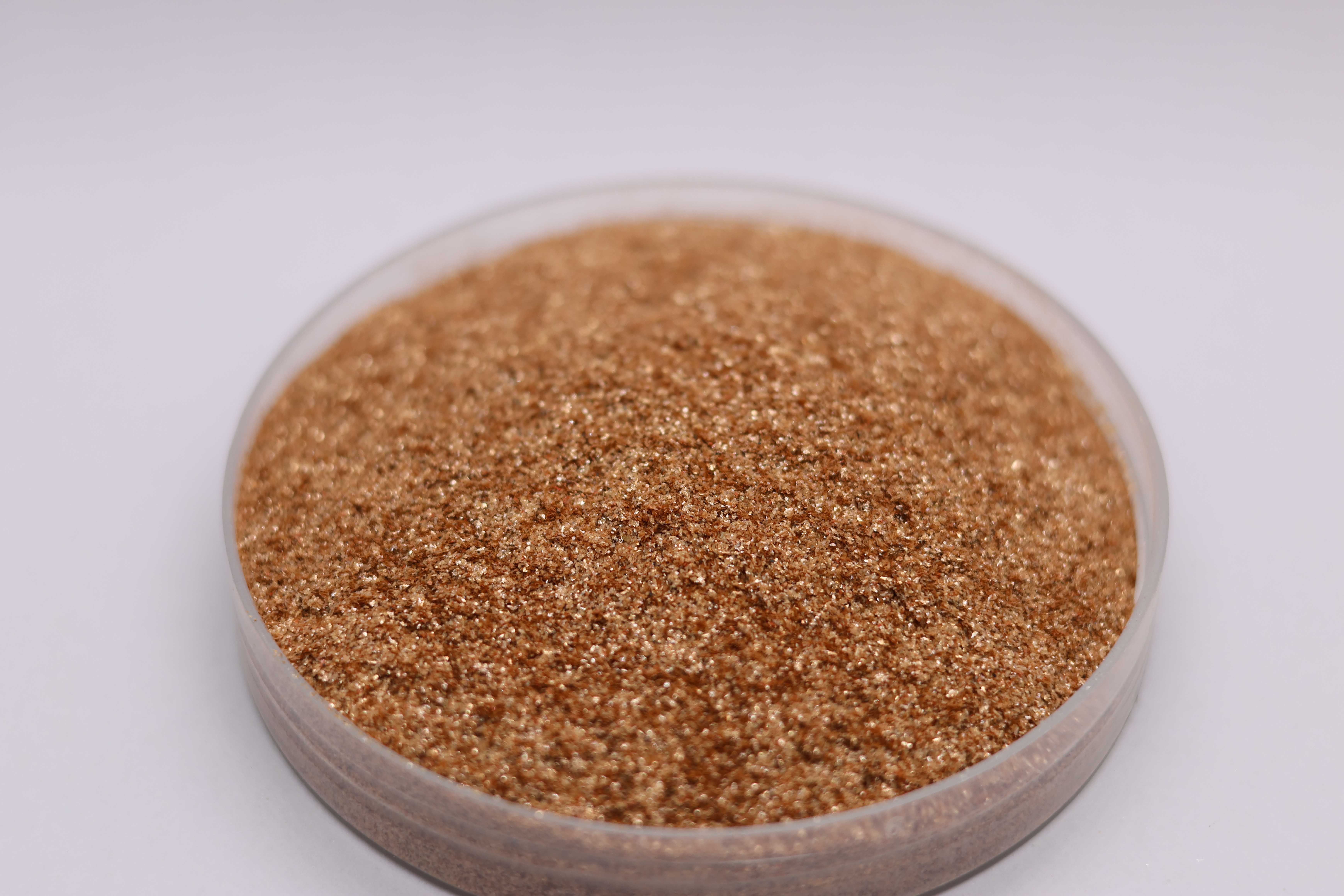
Calcined mica powder is produced by subjecting selected natural mica to controlled thermal treatment. During calcination, certain volatile components and surface impurities can be reduced, while the characteristic layered structure of mica is largely retained.
This combination of thermal treatment and natural plate-like morphology gives calcined mica several useful characteristics:
- Good thermal stability
- Good electrical insulation
- Chemical stability
- Low thermal conductivity
- Plate-like particle structure
- Good barrier properties
- Consistent appearance when properly processed
- Compatibility with a variety of industrial formulations
The exact properties of calcined mica depend on the original mica mineral, raw material quality, calcination temperature and time, grinding process, particle-size distribution, and production controls. Therefore, technical specifications should always be evaluated on a product-by-product basis rather than assumed from the term "calcined mica" alone.
Key Benefits of Calcined Mica Powder
1. Improved Thermal Stability
One of the primary reasons manufacturers choose calcined mica is its performance under elevated temperatures.
Controlled calcination can improve the material's stability in applications where the filler is exposed to heat. This makes calcined mica suitable for selected heat-resistant coatings, insulation systems, refractory formulations, welding materials, and other high-temperature applications.
The actual temperature performance, however, depends on the mica type, grade, formulation, and processing conditions. Manufacturers should therefore evaluate the specific grade against their operating requirements.
2. Natural Plate-Like Structure
Mica has a distinctive layered crystal structure. When processed into powder or flakes, this structure can contribute to:
- Barrier performance
- Dimensional stability
- Surface texture
- Reinforcement
- Electrical insulation
- Thermal resistance
In coatings and composite materials, plate-like particles can create a more tortuous path for moisture and other substances moving through the material. This can contribute to improved barrier performance when the mica is properly dispersed within the formulation.
3. Electrical Insulation
Mica is widely recognized as an electrically insulating mineral. Calcined mica can therefore be considered for insulation materials, electrical components, heat-resistant insulation systems, and selected industrial formulations where mineral insulation properties are required.
The actual dielectric performance depends on factors such as mica type, purity, particle size, moisture content, binder system, and processing conditions. For electrical applications, buyers should request relevant technical data rather than relying only on general product descriptions.
4. Chemical Stability
Calcined mica generally offers good chemical stability in many industrial systems. This makes it useful as a mineral filler in coatings, plastics, rubber, construction materials, and other formulations.
Compatibility should still be evaluated with the specific resin, binder, additives, solvents, and processing conditions used in the customer's formulation.
Applications of Calcined Mica Powder
Calcined mica powder is a versatile mineral filler, but its suitability depends heavily on particle size, mineral composition, purity, and the requirements of the final product.
1. Coatings and Paints
Calcined mica can be used in:
- Industrial coatings
- Architectural coatings
- Protective coatings
- Anti-corrosion coatings
- Textured coatings
- Decorative finishes
Its plate-like structure can contribute to barrier properties, durability, surface texture, and dimensional stability.
Fine mica grades are generally more suitable when uniform dispersion and filler performance are important, while coarser grades can be selected when a visible mineral texture or flake effect is desired.
2. Plastics and Rubber
In plastics and rubber formulations, mica can function as a mineral filler or reinforcing component. Depending on the formulation, it may contribute to:
- Dimensional stability
- Heat resistance
- Stiffness
- Electrical insulation
- Surface characteristics
- Reinforcement
The performance of mica in polymers is strongly affected by particle size, aspect ratio, dispersion, loading level, and compatibility with the polymer matrix. Therefore, formulation trials are recommended before large-scale production.
3. Insulation Materials
Mica's natural electrical insulation properties make it suitable for selected insulation applications.
Calcined mica can be incorporated into insulation boards, heat-resistant insulation layers, electrical materials, and other systems where thermal stability and electrical insulation are required.
For electrical-grade applications, buyers should pay particular attention to purity, moisture, particle-size distribution, and relevant electrical-performance specifications.
4. Refractory and Heat-Resistant Materials
Calcined mica can be used in selected refractory and heat-resistant formulations because of its thermal stability. Potential applications include:
- Heat-resistant coatings
- Refractory mixtures
- Fire-resistant boards
- Thermal protection materials
- High-temperature mineral formulations
The suitability of mica for a refractory application depends on the complete formulation and operating temperature. It should not be treated as a universal refractory material.
5. Construction and Decorative Materials
Coarser calcined mica flakes can provide a distinctive natural mineral texture in construction and decorative products. Potential applications include:
- Decorative wall coatings
- Mortar
- Floor coatings
- Artificial stone
- Terrazzo-style materials
- Decorative panels
- Architectural surface finishes
For these applications, particle size, color, flake shape, and visual consistency are often more important than they are in fine filler applications.
6. Welding Materials
Mica can also be used in certain welding electrode coatings and related formulations where its thermal stability, mineral structure, and insulation characteristics are beneficial.
The appropriate grade should be selected according to the specific welding formulation and processing requirements.
Calcined Mica Powder vs. Natural Mica Powder
Calcination does not simply make mica "better" for every application. Instead, it changes certain characteristics of the raw material and makes it more suitable for specific applications.
|
Property |
Natural Mica Powder |
Calcined Mica Powder |
|
Thermal treatment |
No |
Controlled heat treatment |
|
Thermal stability |
Good |
Generally improved after appropriate calcination |
|
Natural layered structure |
Retained |
Largely retained |
|
Appearance |
Depends on raw material |
Can become cleaner or more uniform |
|
Heat-treated stability |
Standard |
Improved for suitable grades |
|
Application focus |
General mineral filler applications |
Heat-resistant, insulation, coating, decorative and other specialized applications |
|
Selection criteria |
Mineral type, purity, particle size |
Mineral type, calcination process, purity, particle size and application requirements |
The choice should therefore be based on the required performance rather than the product name alone.
How to Choose the Right Calcined Mica Powder
For industrial buyers, several technical factors should be evaluated before placing an order.
1. Mica Type and Mineral Composition
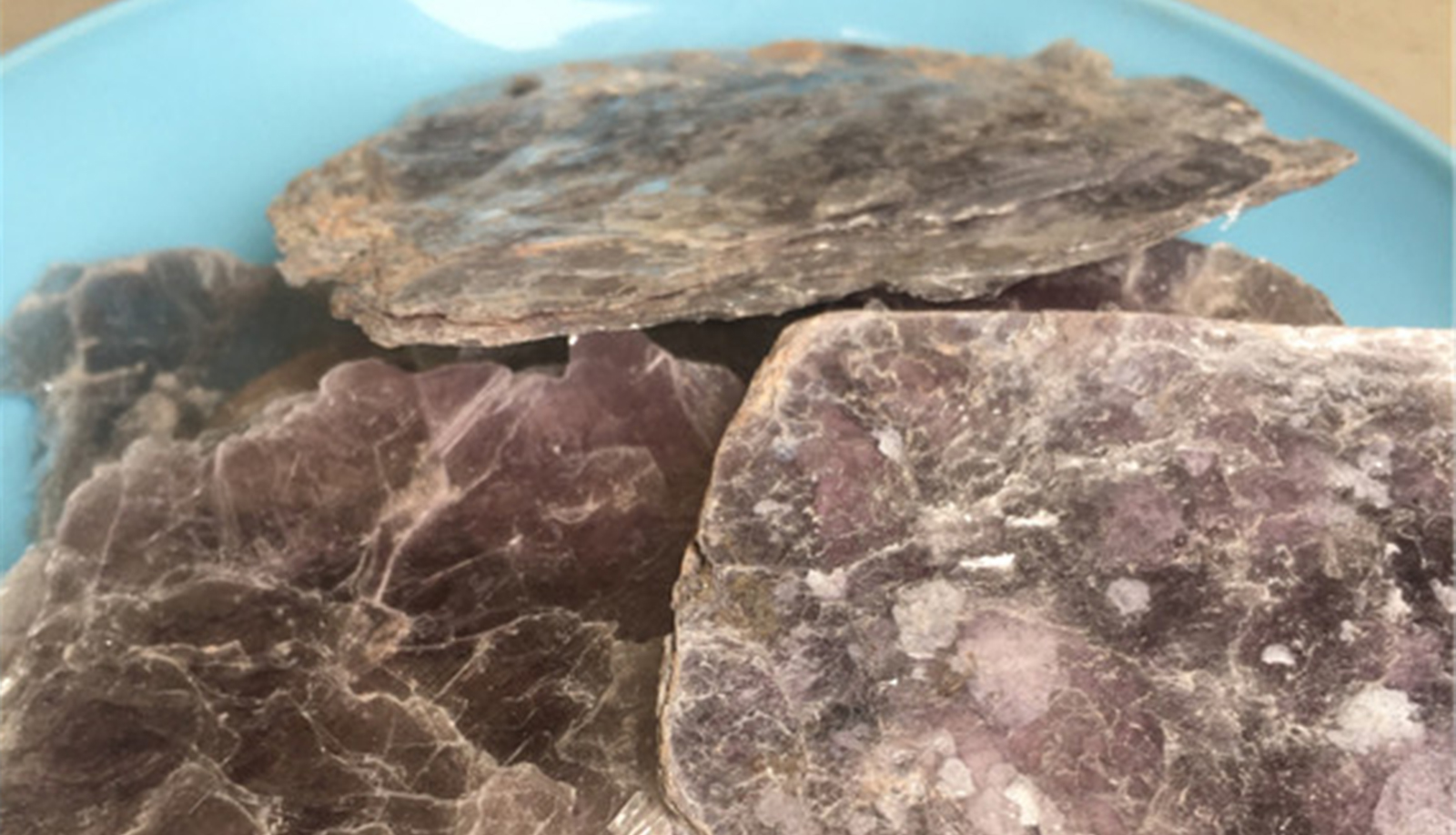
Different mica minerals can have different chemical compositions and temperature characteristics. For example, muscovite and phlogopite are not interchangeable in every application.
The raw material source and mineral composition should therefore be confirmed with the supplier.
2. Particle Size and Mesh
Particle size has a direct effect on dispersion, surface appearance, processing behavior, and final product performance.
As a general principle:
- Fine grades are suitable for applications requiring smooth dispersion and a fine filler effect.
- Medium grades can provide a balance between dispersion and functional performance.
- Coarse grades or flakes are suitable when visible texture, decorative effects, or specific reinforcement characteristics are required.
The correct mesh should always be determined by the customer's formulation and processing equipment.
3. Purity and Chemical Composition
Chemical composition is particularly important for industrial applications.
A reliable supplier should be able to provide technical information such as:
- SiO2
- Al2O3
- K2O
- Fe2O3
- MgO
- CaO
- Na2O
- Moisture
- Loss on ignition
- Particle-size distribution
Typical values can vary according to the mineral source and production process, so buyers should evaluate the supplier's actual specification and batch data.
4. Color and Appearance
For decorative applications, color consistency can be just as important as chemical performance.
Calcined mica may be supplied in different appearances depending on the raw material and processing conditions. Buyers should confirm:
- Base color
- Flake appearance
- Surface cleanliness
- Particle uniformity
- Color consistency between batches
For example, WANCHENG MINERAL currently lists regular calcined mica products in golden red, gold, and silver appearances, while its special silver calcined mica is available in 10, 20, and 40 mesh grades.
5. Moisture and Packaging
Moisture can affect powder flowability, storage stability, dispersion, and certain formulation processes.
Proper packaging is therefore important, particularly for international shipments and long-term storage.
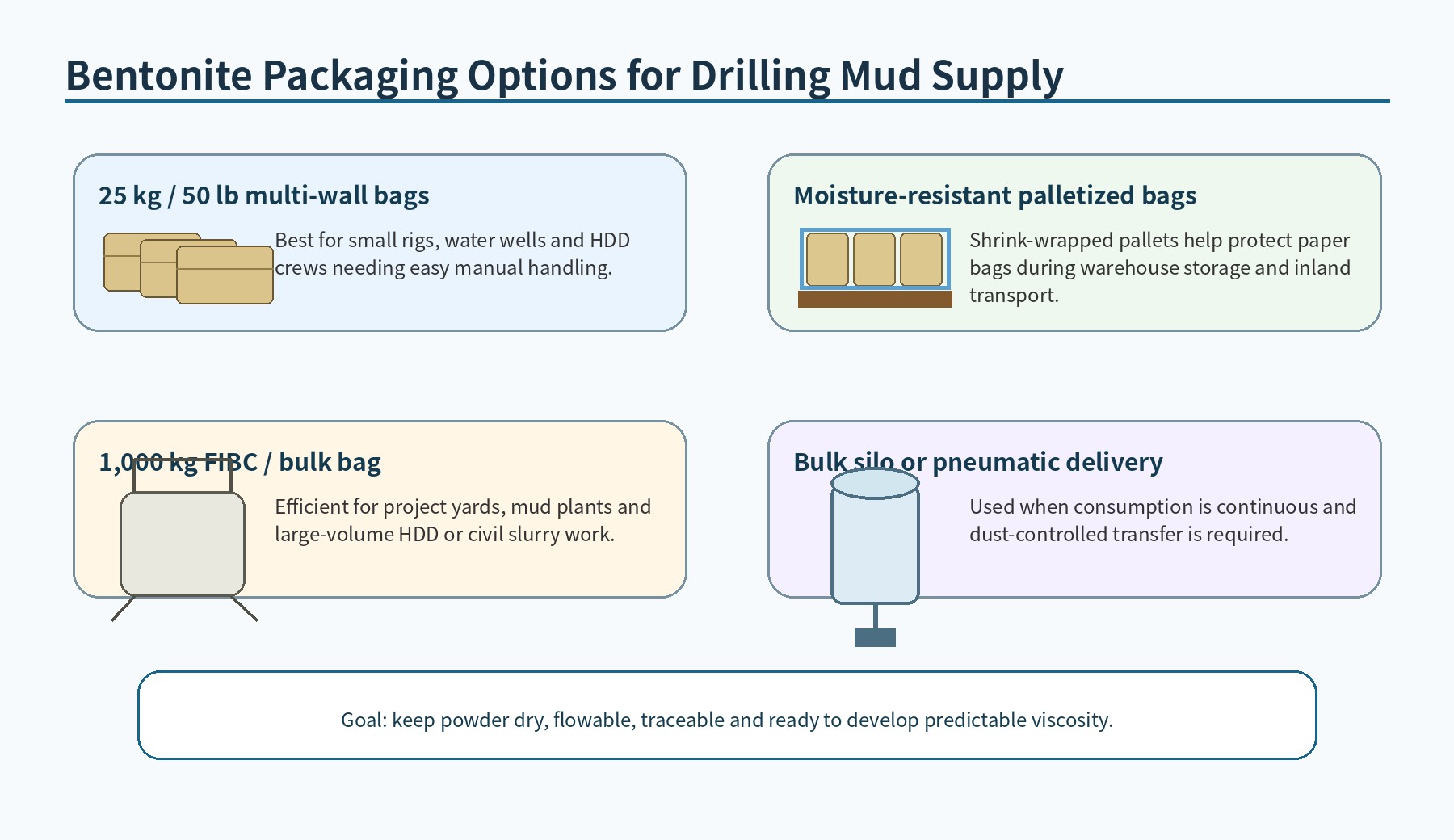
Typical industrial packaging options include 25 kg bags, jumbo bags, and palletized packaging, with OEM packaging available for some suppliers.
6. Consistency Between Batches
For manufacturers, consistent quality is often more important than a single favorable test result.
A supplier should ideally maintain consistent:
- Particle-size distribution
- Chemical composition
- Color
- Moisture
- Calcination conditions
- Packaging
- Production quality
Batch-to-batch consistency can reduce formulation adjustments and help manufacturers maintain stable product quality.
Quality Control and Supplier Evaluation
Choosing a calcined mica supplier should involve more than comparing unit prices.
A professional evaluation should include:
Supplier Evaluation Criteria
Technical Documentation
Ask for:
- Technical Data Sheet (TDS)
- Safety Data Sheet (SDS), where applicable
- Certificate of Analysis (COA)
- Chemical composition
- Particle-size data
- Moisture information
- Product photographs or samples
Sample Testing
Before placing a large order, conduct laboratory or production-line testing.
The sample should be evaluated under the customer's actual formulation and processing conditions.
Production Capability
For long-term supply, consider:
- Raw material stability
- Production capacity
- Calcination process control
- Grinding and classification equipment
- Quality-control procedures
- Packaging capability
- Export experience
Traceability
A reliable supplier should be able to explain where the raw material comes from and how it is processed.
For B2B customers, traceability is particularly important when the mineral is incorporated into products that require consistent quality or regulatory documentation.
Quality Standards and Certifications
Certification requirements vary according to the application and destination market. Therefore, it is better to identify the specific regulatory and technical requirements of the end product rather than assuming that one certification applies to every calcined mica application.
For industrial customers, useful quality documentation may include:
- ISO-related quality-management documentation
- Certificate of Analysis
- Product specification
- Safety Data Sheet
- Heavy-metal testing where relevant
- Applicable regulatory compliance documentation
For products intended for specialized applications such as cosmetics, electrical materials, or other regulated products, additional testing or compliance requirements may apply.
Suppliers should provide documentation that is relevant to the actual product grade and intended application.
Why Supplier Selection Matters
The quality of calcined mica powder can vary significantly between suppliers because of differences in:
- Raw material sources
- Mineral composition
- Calcination conditions
- Grinding technology
- Particle-size classification
- Quality-control procedures
- Storage and packaging
A low-cost product is not necessarily the most economical choice if inconsistent particle size, excessive moisture, contamination, or unstable color creates problems during production.
For this reason, buyers should evaluate the total cost of ownership, including material performance, production stability, waste, rework, and supply reliability.
Future Opportunities for Calcined Mica Powder
The long-term potential of calcined mica is closely connected to its established industrial properties rather than to a single emerging market.
Demand can be supported by continued applications in:
- Protective and decorative coatings
- Plastics and polymer composites
- Rubber products
- Electrical insulation
- Construction materials
- Refractory and heat-resistant materials
- Welding materials
- Specialty decorative products
At the same time, manufacturers are placing greater emphasis on consistent quality, efficient processing, traceability, and responsible sourcing.
For suppliers and buyers alike, the ability to provide stable specifications and application-specific technical support will become increasingly important.
What About Muscovite Mica Powder?
Muscovite mica powder is a specific type of mica and should not be treated as synonymous with calcined mica powder.
Muscovite is valued for its light color, layered structure, chemical stability, and electrical insulation properties. Depending on its grade and processing method, it can be used in coatings, plastics, insulation materials, decorative products, and other applications.
In cosmetics and craft products, mica can also be used to provide visual effects and texture. However, cosmetic-grade materials should be evaluated according to the applicable cosmetic regulations and purity requirements of the target market.
The important distinction is that "muscovite" describes the mica mineral type, while "calcined" describes a thermal-processing treatment. A product can therefore be both muscovite and calcined mica if muscovite is used as the raw material and subsequently calcined.
Frequently Asked Questions
What is calcined mica powder?
Calcined mica powder is natural mica that has undergone controlled thermal treatment. The process can improve thermal stability, cleanliness, and appearance while retaining much of mica's characteristic layered structure.
What is the difference between calcined mica and natural mica?
Natural mica is processed primarily through physical methods, while calcined mica undergoes controlled heat treatment. Calcination can improve thermal stability and modify certain physical characteristics.
What industries use calcined mica powder?
Common applications include coatings, plastics, rubber, insulation materials, refractory products, construction materials, welding materials, and decorative finishes.
How does particle size affect calcined mica?
Particle size affects dispersion, surface texture, processing behavior, and final product performance. Fine and coarse grades are therefore selected for different applications.
How should I select the right mesh size?
The appropriate mesh depends on the formulation, processing equipment, required surface finish, and target performance. Sample testing is recommended before bulk purchasing.
Is calcined mica suitable for high-temperature applications?
Calcined mica offers good thermal stability and can be used in selected heat-resistant applications. However, the actual temperature limit depends on the mica grade and the complete formulation.
Can calcined mica be used in plastics?
Yes. It can function as a mineral filler or reinforcing component in selected plastic formulations, where it may contribute to dimensional stability, stiffness, heat resistance, insulation, and surface properties.
Can calcined mica be used in coatings?
Yes. It is used in industrial, architectural, protective, textured, and decorative coating systems. The plate-like structure can contribute to barrier properties, durability, and surface texture.
What information should I request from a supplier?
At minimum, request a TDS, SDS where applicable, COA, chemical composition, particle-size specification, moisture information, packaging details, and product samples.
Should I test a sample before placing a bulk order?
Yes. Laboratory or production-line testing is strongly recommended, particularly when the mica will be used in a new formulation or when switching suppliers.
Conclusion
Calcined mica powder is a versatile functional mineral that combines the natural plate-like structure of mica with the benefits of controlled thermal treatment.
Its thermal stability, electrical insulation, chemical stability, low thermal conductivity, and plate-like morphology make it suitable for a broad range of industrial applications, including coatings, plastics, rubber, insulation materials, construction products, refractory materials, welding materials, and decorative finishes.
However, there is no single calcined mica grade that is ideal for every application. Mineral type, particle size, chemical composition, calcination process, color, moisture, purity, and batch consistency all need to be considered when selecting a product.
For B2B buyers, the best purchasing decision is therefore not simply the product with the lowest initial price, but the grade and supplier that best match the technical performance, documentation, consistency, and supply reliability required by the intended application.