The Cross-Industry Shift: Road Marking Glass Beads in Polymer Compounding
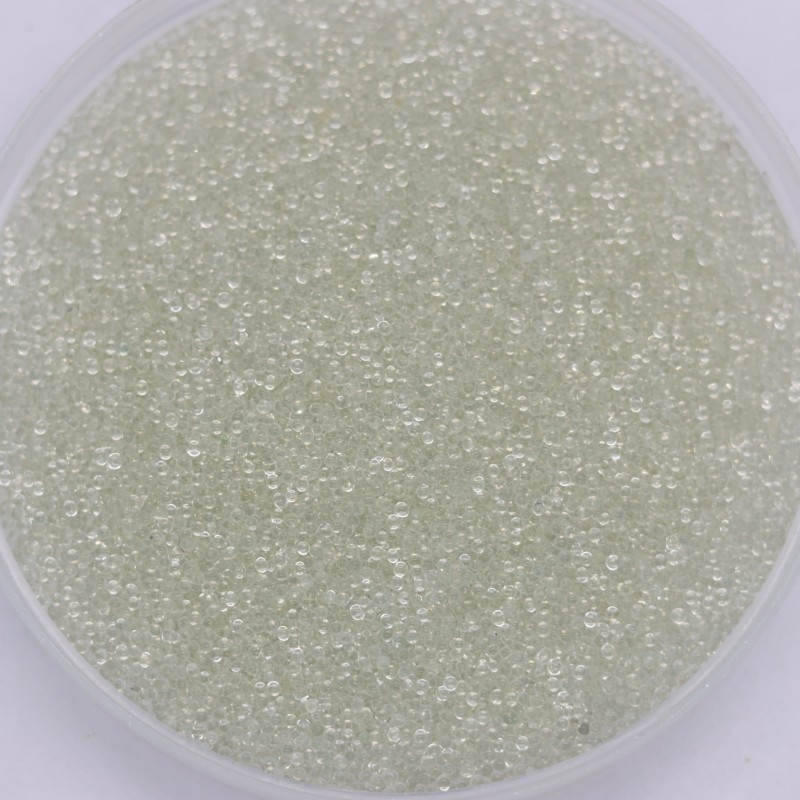
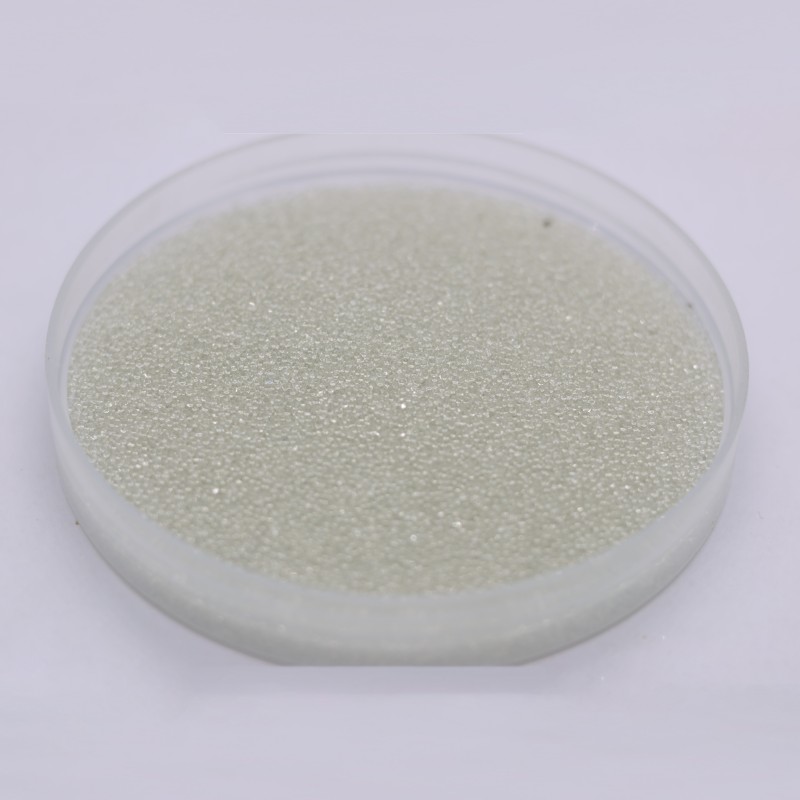
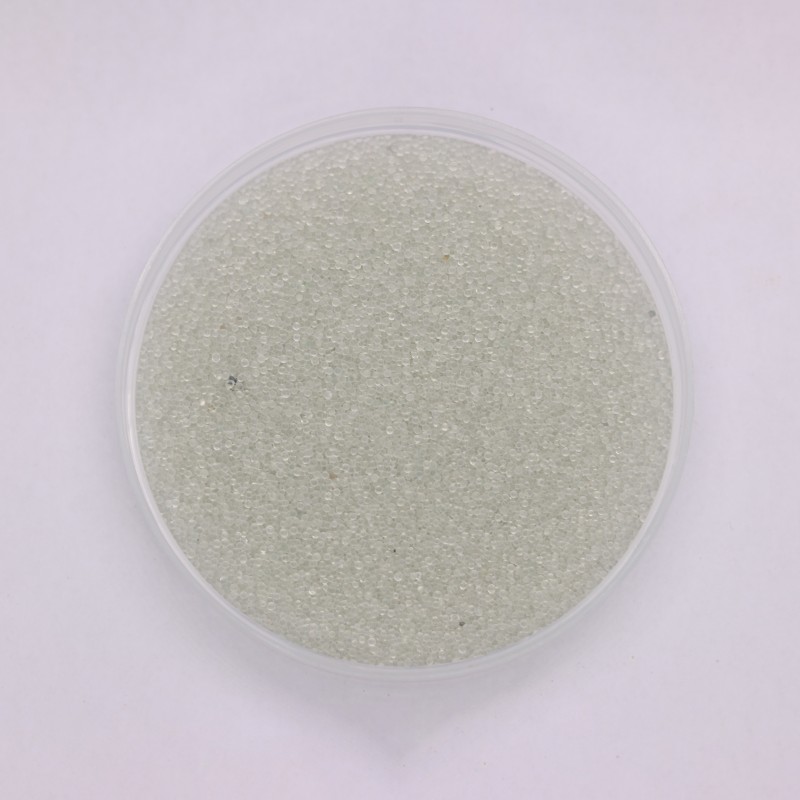
Traditionally celebrated for optical retroreflectivity in horizontal traffic coatings, premium-grade road marking glass beads have swiftly gained commercial prominence inside the engineering plastics and polymer compounding sector. In modern extrusion and injection molding processes, compounders face growing demands for lightweighting, reduced post-mold warpage, superior dimensional precision, and optimized processing economics.
Unlike irregularly shaped minerals such as milled calcium carbonate, ground talc, or angular silica, high-roundness glass spheres act as intrinsic microscopic ball bearings within polymer melts. This morphological perfection minimizes internal friction during twin-screw compounding, lowers viscosity under high shear rates, and enables substantially higher filler loadings without sacrificing mold flow.
Isotropic Reinforcement & Surface Tribology
When engineering polymers are reinforced solely with short glass fibers, structural anisotropy often causes catastrophic part deformation and uneven mechanical stress distribution along the weld lines. Blending solid glass beads with chopped fibers—a technique known as hybrid reinforcement—provides true three-dimensional isotropic stabilization.
Furthermore, solid glass spheres provide impressive compressive strength (over 200 MPa) and chemically inert thermal resistance. In terms of tribological behavior, glass bead-filled thermoplastic composites exhibit reduced coefficient of friction (COF), superior scratch and mar resistance, and pristine, non-abrasive surface textures suitable for automotive interior trims, electronic housings, and high-wear mechanical gears.