
Leave Your Message

Synthetic Mica Powder from China: Leading Suppliers and Factory for High-Purity Mica Material

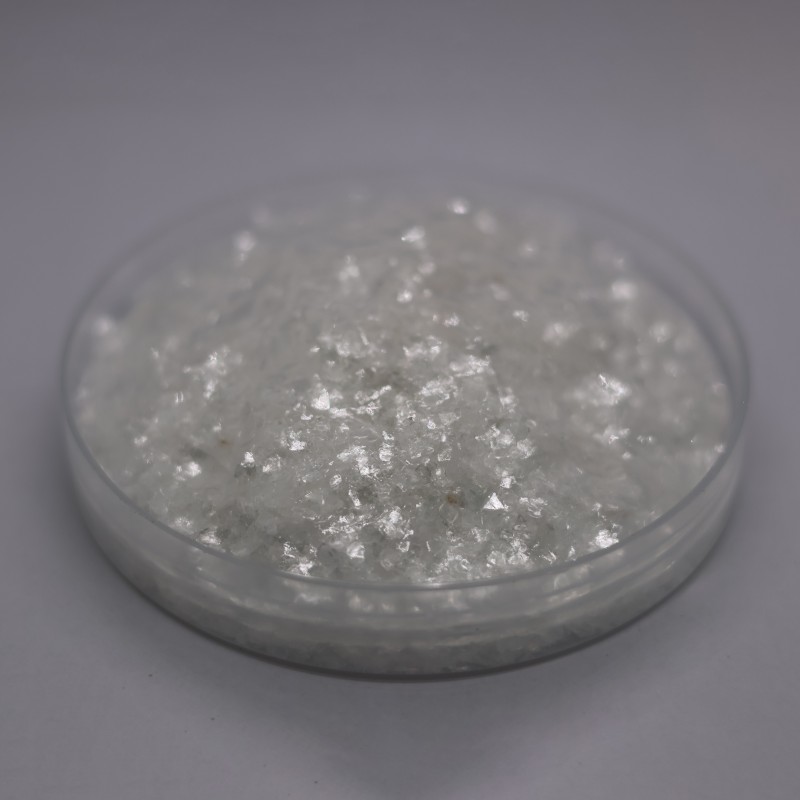
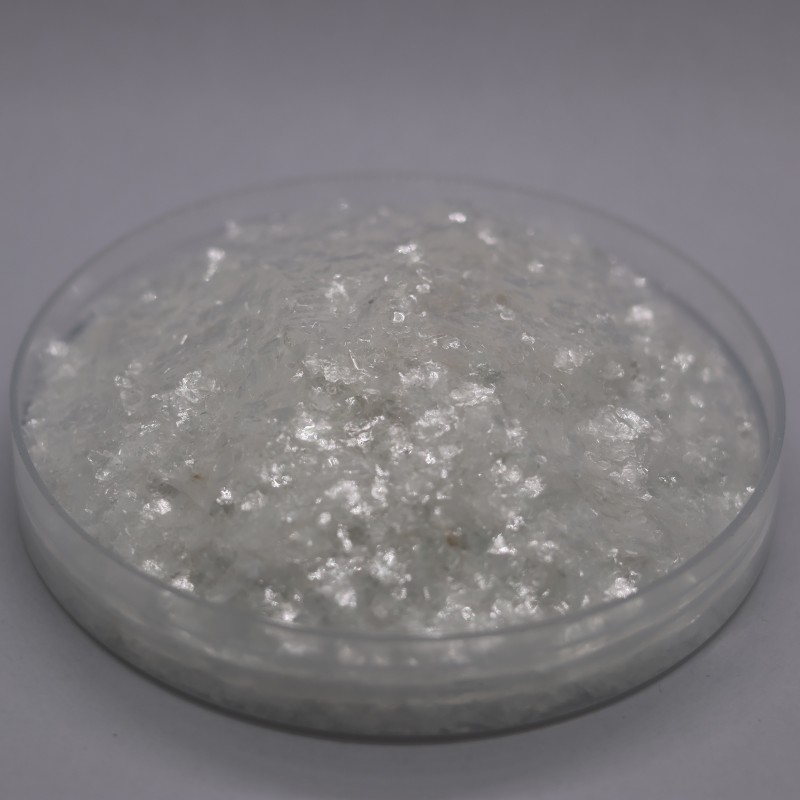
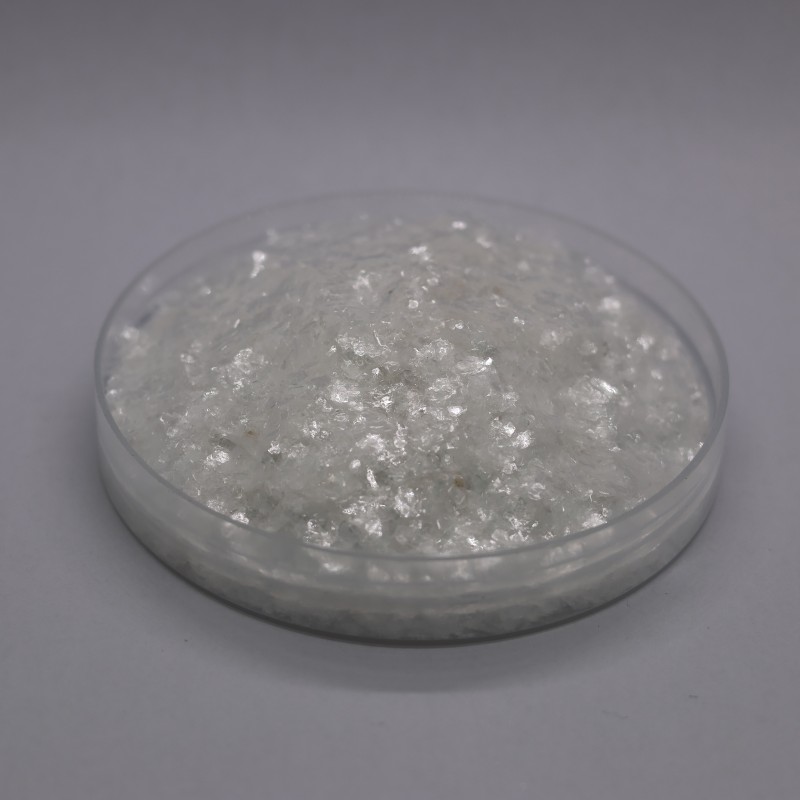
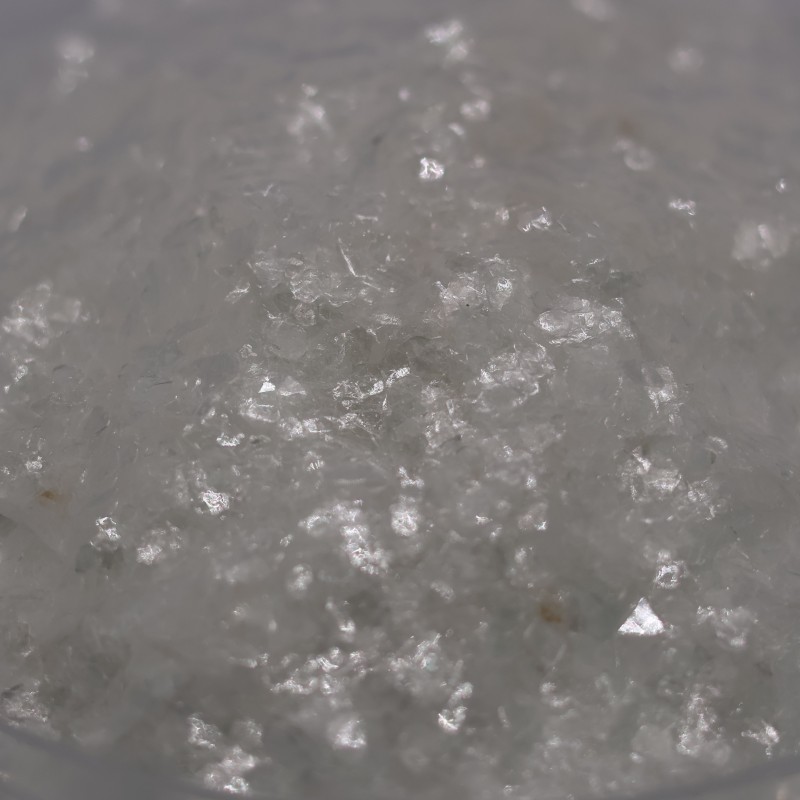
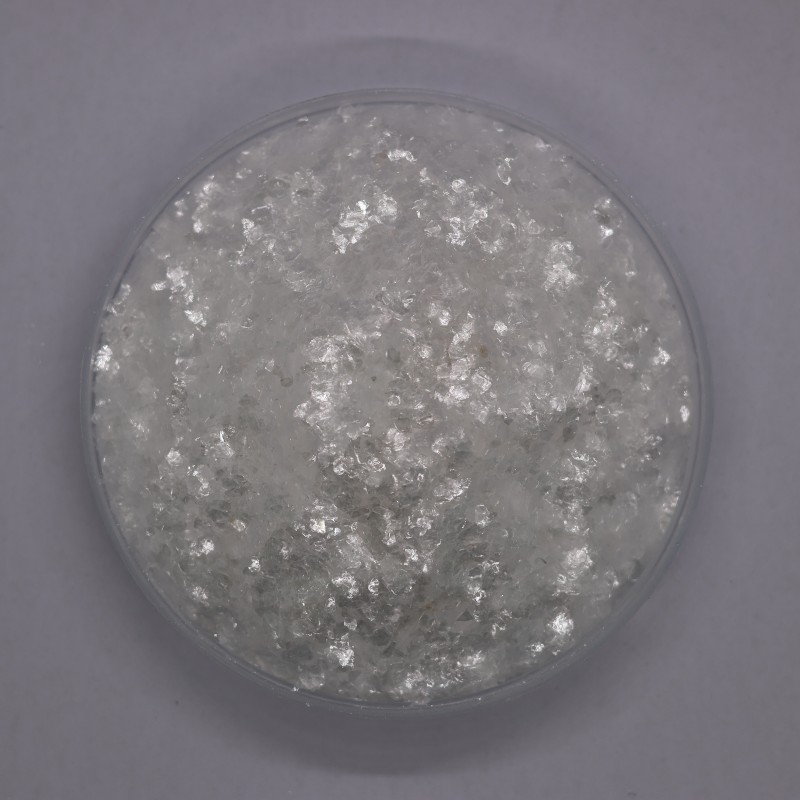
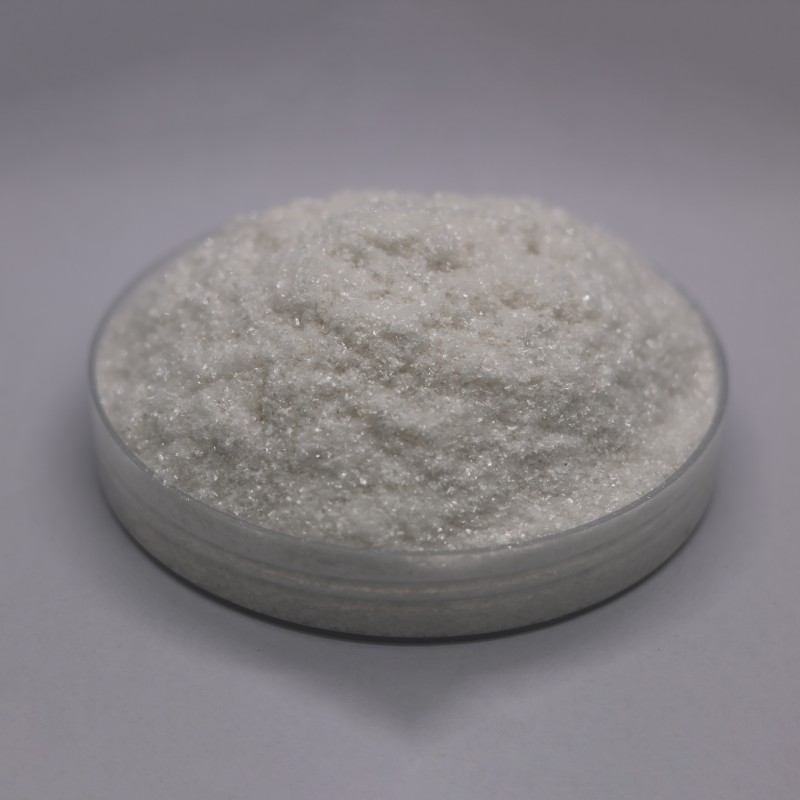
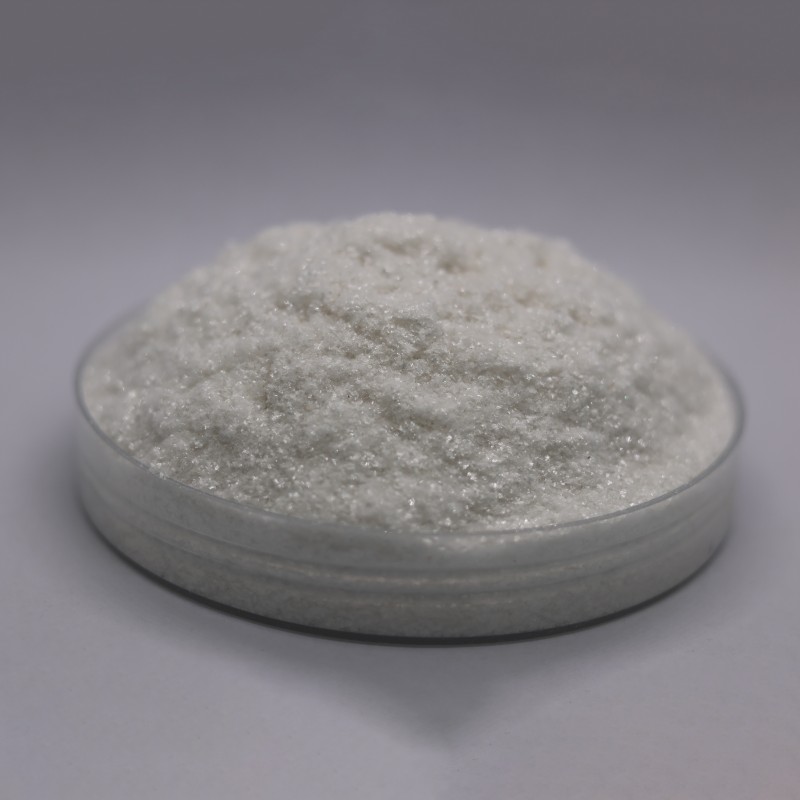
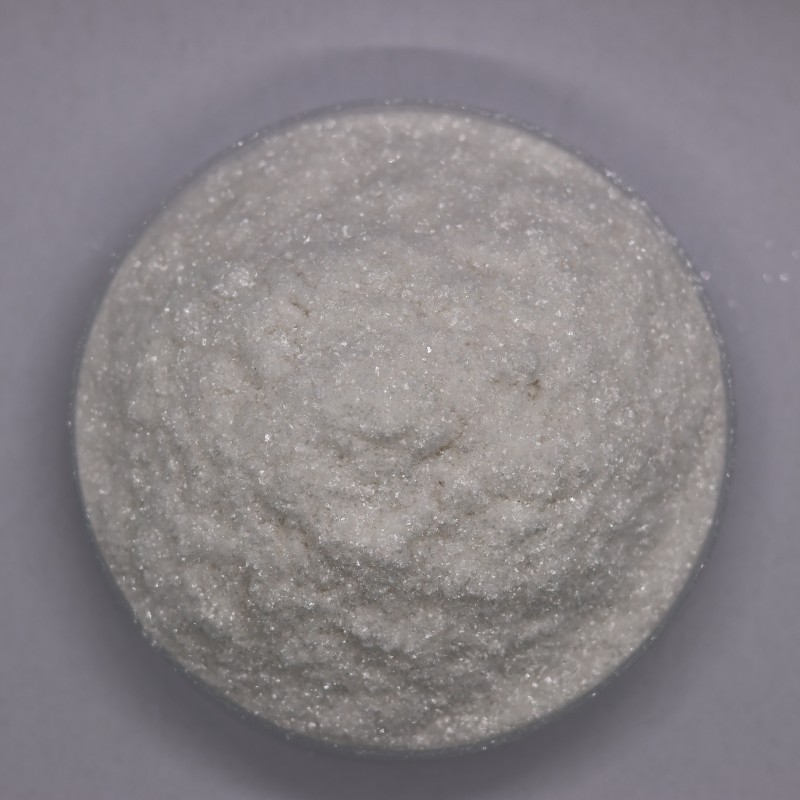
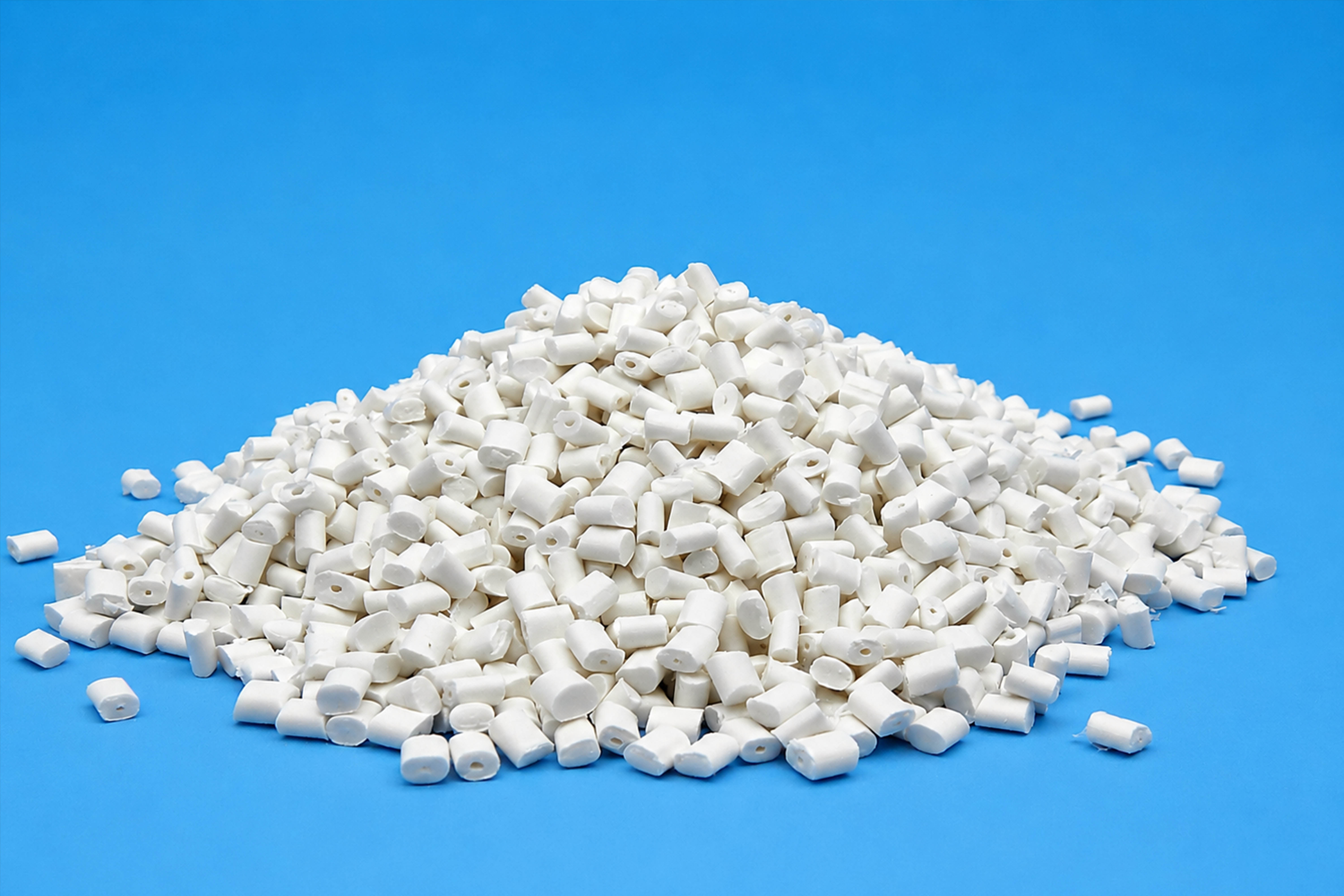
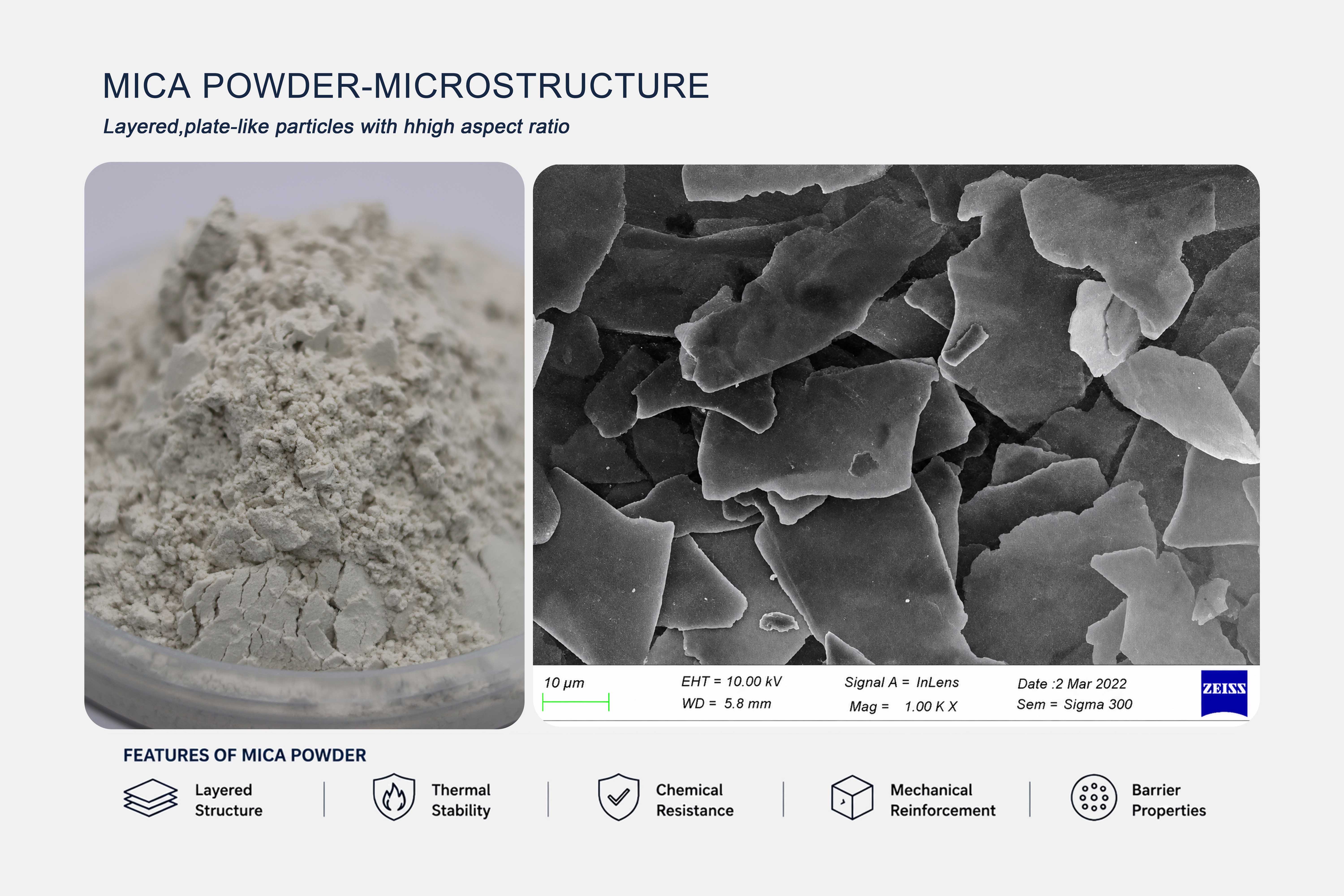
Synthetic mica powder is a high-purity engineered mica material manufactured in controlled environments using advanced high-temperature crystallization and grinding techniques. Primarily derived from synthetic fluorophlogopite, this mica-type silicate mineral is engineered to deliver superior purity, enhanced color stability, reduced impurity content, and consistent performance compared to many natural mica alternatives. Thanks to its production under stringent quality controls, synthetic mica powder boasts reliable whiteness, a smooth surface appearance, exceptional gloss, and stable particle size distribution.

In contrast to natural mica powder, synthetic mica powder is particularly prized in applications where color purity, brightness, minimal heavy impurity content, and product consistency are critical. It is extensively utilized as a substrate for pearlescent pigments, a functional filler in coatings and plastics, a decorative component in cosmetics, and as a heat-resistant insulating material in electrical and industrial applications. Its unique platelet crystal structure contributes to excellent reflection, barrier effects, thermal stability, and superior electrical insulation properties.

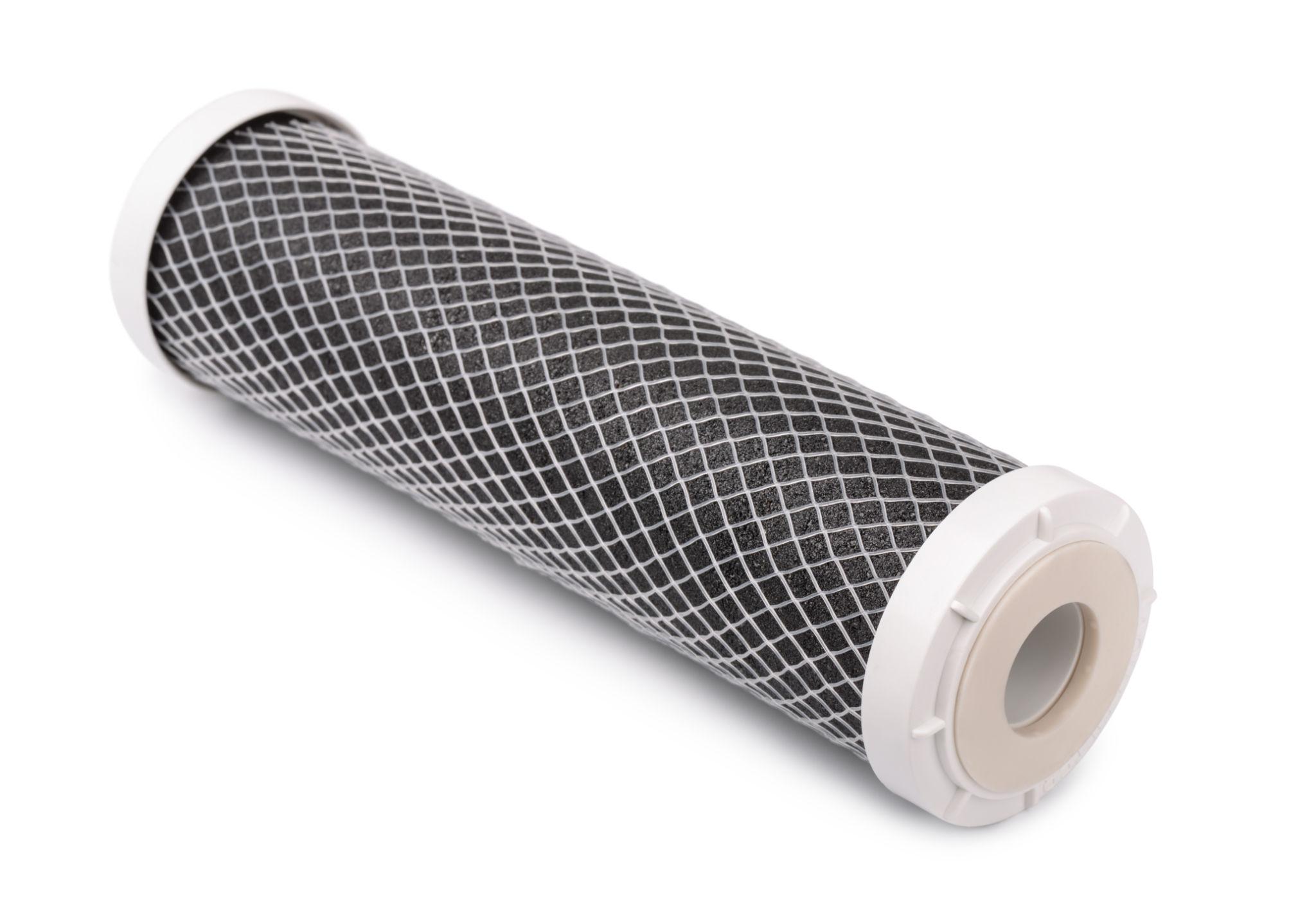
WANCHENG MINERAL, a trusted supplier in China, provides synthetic mica powder to global customers across various sectors, including cosmetics, pigment manufacturing, coatings, plastics, rubber, ceramics, and insulation materials. We offer a range of particle sizes, surface qualities, and packaging options tailored to customer specifications. For clients requiring stable bulk supply, export packaging, and technical support, WANCHENG MINERAL, a reliable factory, delivers professional mineral product assistance.

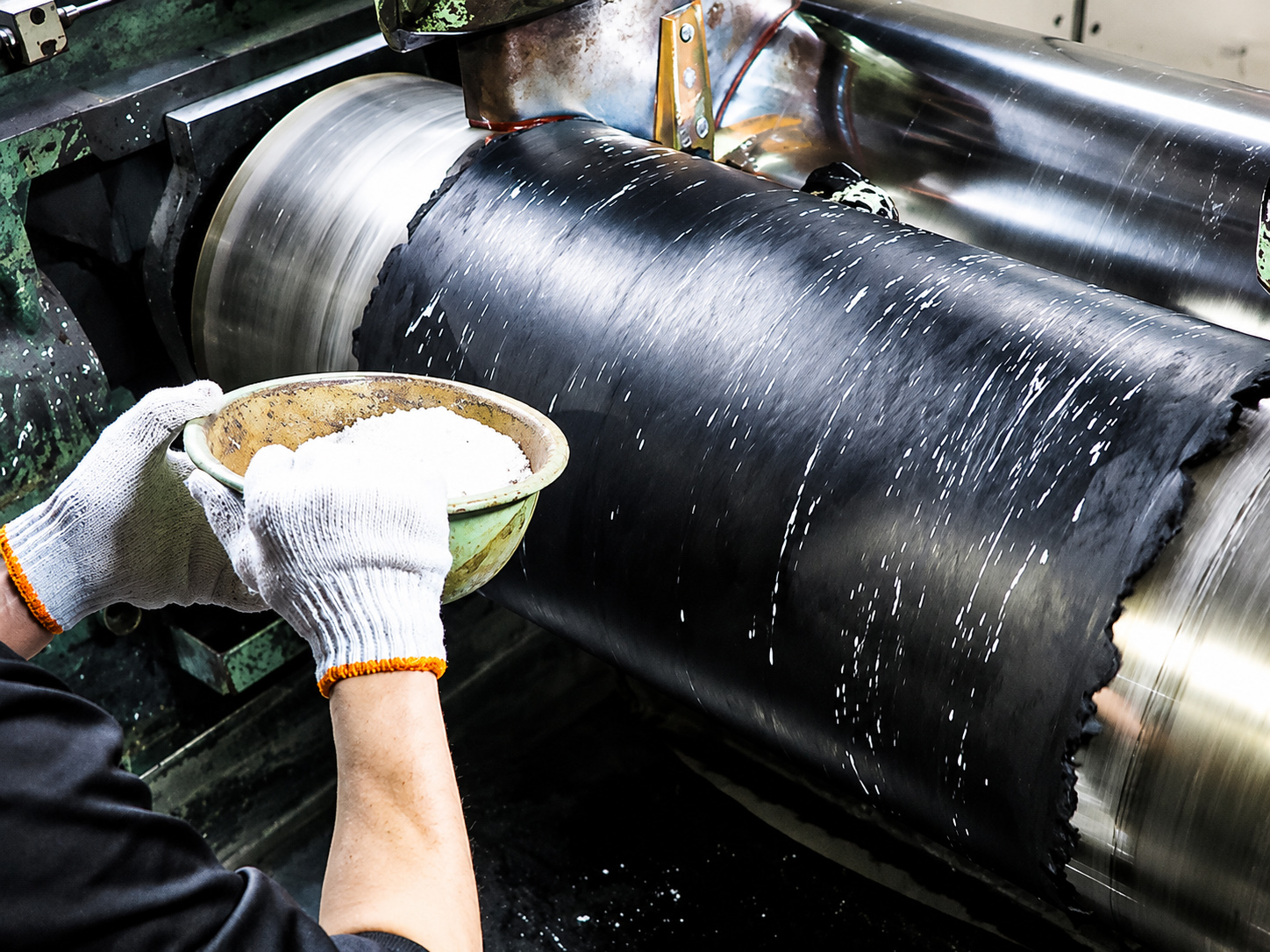
Synthetic mica powder serves not just as a filler; it enhances both performance and appearance. In cosmetics, it increases brightness, provides a silky touch, and contributes to a clear visual effect. In coatings and pigments, it improves pearlescent appearance, surface reflection, weather resistance, and decorative appeal. In plastics and rubber, it enhances dimensional stability, surface texture, and heat resistance. Furthermore, in insulation and ceramics, it offers significant thermal and electrical performance advantages.

    This is a paragraph

    This is a paragraph

    This is a paragraph

    Chemical Composition & Specifications
    Chemical Component Typical Content Description
    SiO2 38% - 45% Main silicate component
    Al2O3 10% - 15% Alumina component
    MgO 24% - 29% Magnesium component
    K2O 8% - 12% Potassium component
    F 7% - 10% Characteristic component of synthetic fluorophlogopite
    Fe2O3 ≤ 0.5% Controlled low impurity
    TiO2 Trace or customized Depends on product grade
    Frequently Asked Questions
    ▸ What is the primary chemical base of this material?

    The material is primarily composed of silicon dioxide (SiO2 at 38%–45%) and magnesium oxide (MgO at 24%–29%), which together form the robust silicate structural framework.

    ▸ Why is fluorine (F) a key component in synthetic fluorophlogopite?

    Fluorine (7%–10%) replaces the hydroxyl (OH) groups found in natural mica, significantly improving thermal resistance, electrical insulation, and chemical stability under extreme conditions.

    ▸ Why is the Fe2O3 content strictly kept below 0.5%?

    Iron oxide (Fe2O3) is a controlled impurity. Maintaining levels ≤ 0.5% ensures superior optical clarity, high whiteness, and optimal dielectric performance.

    ▸ Can the TiO2 ratio be adjusted for special requirements?

    Yes. Titanium dioxide (TiO2) content exists in trace amounts by default but can be customized according to the specific technical grade and client requirements.

    ▸ What role does Al2O3 play in this composition?

    Alumina (Al2O3 at 10%–15%) enhances structural integrity, mechanical strength, and chemical durability across various industrial applications.

    ▸ How does K2O contribute to the physical properties?

    Potassium oxide (K2O at 8%–12%) functions as an interlayer cation, maintaining the defined crystalline structure and uniform layer cleavage.

    This is a paragraph

    This is a paragraph

    This is a paragraph

    This is a paragraph

    This is a paragraph

    This is a paragraph

    This is a paragraph

    This is a paragraph

    This is a paragraph

    This is a paragraph

    This is a paragraph

    This is a paragraph

    This is a paragraph

    This is a paragraph

    This is a paragraph

    Application Image Grid Placeholder

    FAQ

    • This is a paragraph

    • This is a paragraph

    • This is a paragraph

    • This is a paragraph

    • This is a paragraph

    • This is a paragraph

    • This is a paragraph

    • This is a paragraph

      This is a paragraph

    This is a paragraph

    This is a paragraph

    This is a paragraph
    This is a paragraph