From commodity filler to functional nano-structural reinforcement: Discover how high-aspect-ratio talc is reshaping modern thermoplastic engineering.
Key Market Driver: The rapid acceleration of the Electric Vehicle (EV) industry mandates lighter structural components to maximize battery range. High-aspect-ratio micro-talcs enable the formulation of 15% to 40% filled PP composites that replace heavier engineering plastics and metal die-casts without compromising impact resistance or surface aesthetics.
Deep-dive into the crystal morphology, lamellar aspect ratios, and nucleation kinetics that govern talc-polymer composite behavior.
Talc crystallizes in a 2:1 sheet phyllosilicate structure held together by weak van der Waals forces. When sheared appropriately during melt extrusion, it delaminates into micro-platelets. These high-aspect-ratio platelets align parallel to polymer melt flow lines, creating microscopic reinforcement barriers that drastically elevate flexural modulus, tensile strength, and creep resistance under sustained mechanical loads.
In semi-crystalline thermoplastics like polypropylene, talc functions as an exceptionally potent heterogeneous nucleating agent. Dispersed micro-particles reduce the thermodynamic activation energy barrier required for crystal formation, increasing crystallization temperature (Tc) by 10°C to 15°C. This elevates spherulite density, shrinks spherulite dimensions, and shortens cycle times in high-speed injection molding plants.
Differential mold shrinkage is the primary cause of warpage in large-format molded components. The planar orientation of talc flakes mitigates anisotropic volume contraction during mold cooling. Furthermore, by elevating the Heat Deflection Temperature (HDT) of the composite up to 135°C–145°C in high-filled PP, talc provides structural rigidity in hot under-the-hood automotive environments.
| Parameter / Property | Unfilled Polypropylene (Homopolymer) | PP + 20% Standard Talc | PP + 40% Ultrafine High-Aspect Talc | Compounding Function & Significance |
|---|---|---|---|---|
| Flexural Modulus (MPa) | 1,200 – 1,450 | 2,400 – 2,800 | 4,200 – 5,100 | Substantial stiffness uplift for structural thin-wall parts |
| Tensile Strength (MPa) | 31 – 35 | 34 – 38 | 38 – 44 | Maintains load-bearing capacity without resin degradation |
| Heat Deflection Temp (0.45 MPa, °C) | 85 – 95 | 122 – 128 | 138 – 146 | Prevents thermal sag and thermal creep in high-heat zones |
| Mold Shrinkage (%) | 1.4 – 1.8 | 0.9 – 1.1 | 0.4 – 0.6 | Eliminates post-molding warpage, sinking, and dimensional skew |
| Crystallization Temp (Tc, °C) | 110 – 114 | 122 – 125 | 126 – 129 | Accelerates demolding rates, reducing injection cycle duration |
How specialized talc grades empower specific thermoplastic systems to meet exacting automotive, electrical, and sustainable packaging criteria.
Mastering feeding kinetics, shear control, and interfacial coupling chemistry is mandatory to prevent lamellar fracturing and achieve peak composite strength.
Due to talc's low bulk density and aerated fluffiness, feeding talc powder through the primary extruder throat frequently causes bridging, air entrapment, and screw surging. State-of-the-art compounding lines deploy gravimetric side-feeders equipped with atmospheric vacuum deaeration systems. Introducing talc directly into the molten polymer downstream preserves the lamellar aspect ratio from excessive mechanical attrition.
To maximize flexural performance, the high-aspect-ratio (HAR) flakes must remain intact. Aggressive high-shear kneading blocks must be avoided. Specialized compounding engineers use staggered distributing kneading elements (e.g., fractional pitch kneading and neutral mixing blocks) that maximize dispersive and distributive mixing while preventing particle pulverization.
Naturally, talc basal planes are hydrophobic, but edge hydroxyl groups (Si-OH, Mg-OH) are hydrophilic. In non-polar resins like polypropylene, adding 1.0% to 3.0% Maleic Anhydride Grafted Polypropylene (PP-g-MA) creates covalent and hydrogen bonds across the interface. This bridges the polymer backbone to the talc surface, dramatically elevating composite impact resistance and tensile yield strength.
How functional mineral fillers breathe high-performance life back into post-consumer recycled (PCR) polyolefin streams.
Life Cycle Assessment (LCA) Advantage: Natural mined and micronized talc carries an exceptionally low carbon footprint compared to virgin polymer resin synthesis. Substituting 20% to 40% of petroleum-based polypropylene with responsibly processed natural talc decreases the cradle-to-gate Global Warming Potential (GWP) of the resulting compound by up to 25–35%, substantially advancing corporate scope 3 emissions reductions.
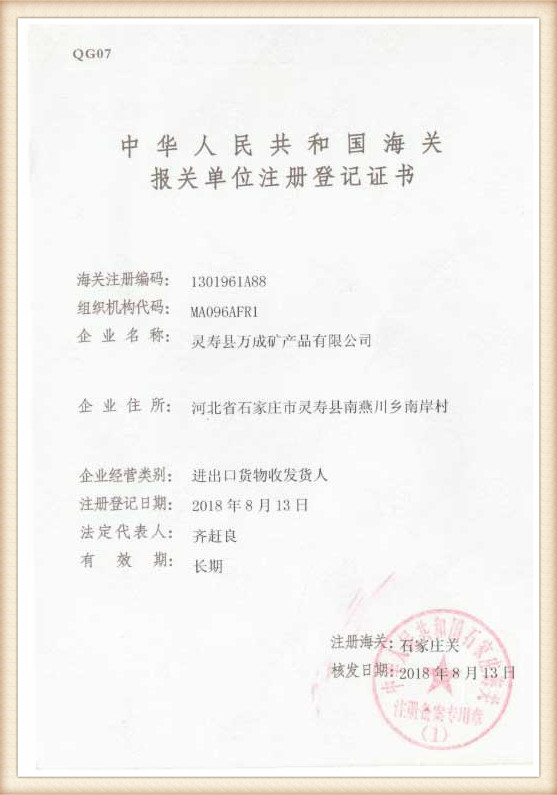
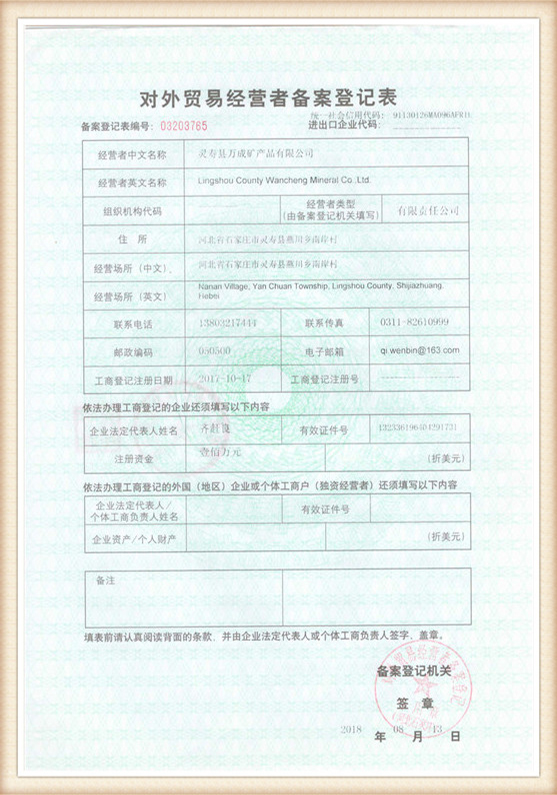
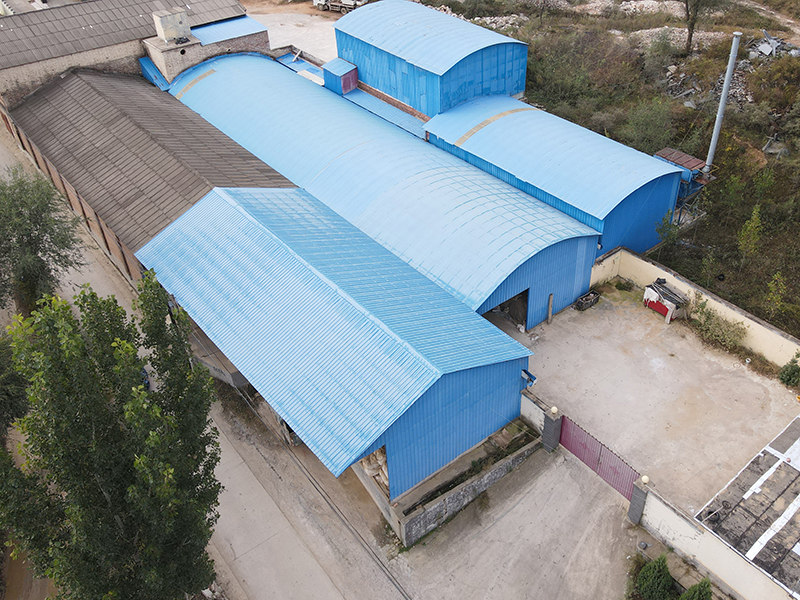
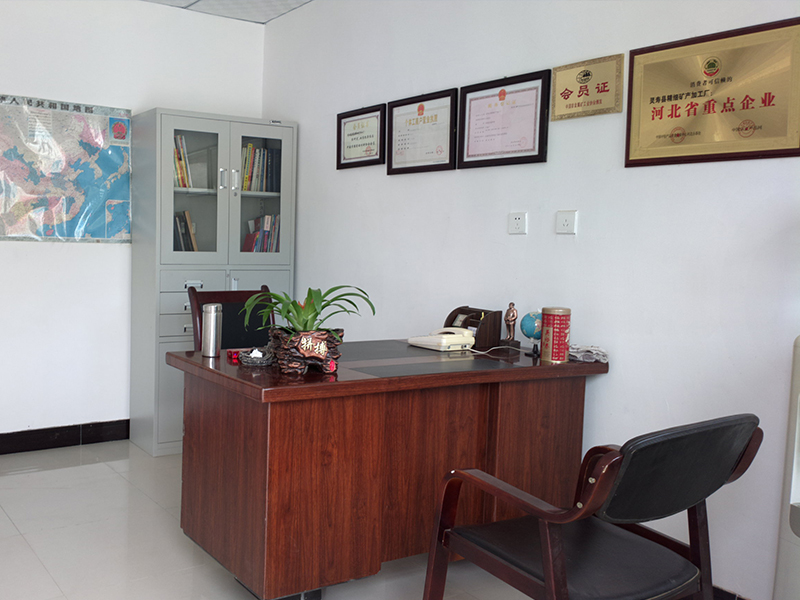
Lingshou County Wancheng Mineral Co., Ltd. is a professional manufacturer and supplier of non-metallic mineral products located in Lingshou County, Hebei Province, China.
Founded in 2000, the company was formerly known as Lingshou JingXi KuangChan Processing Factory. Since its establishment, we have focused on the processing, production, and supply of non-metallic mineral materials for industrial customers in China and international markets.
Our main products include mica, talc, vermiculite, bentonite, tourmaline, and glass beads. With years of experience in mineral processing and international trade, we are able to provide products in different grades, particle sizes, and packaging options according to customers’ specific requirements.
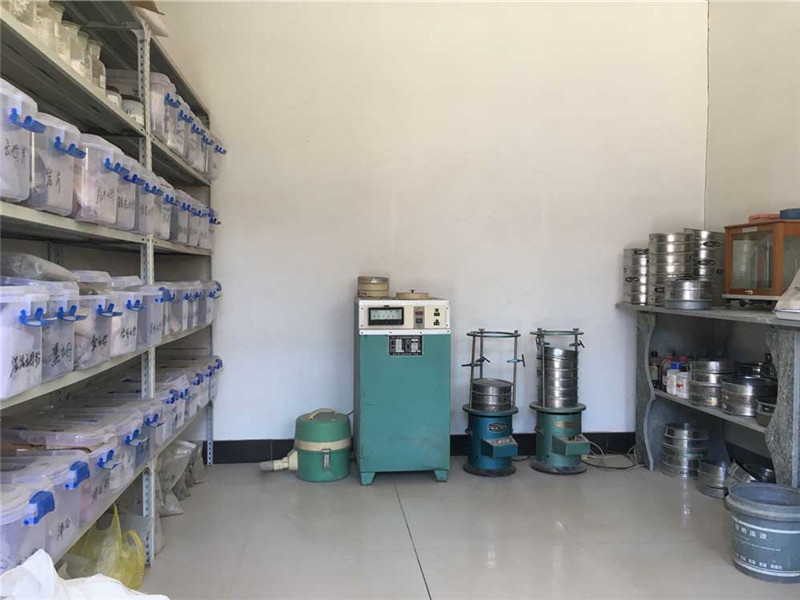
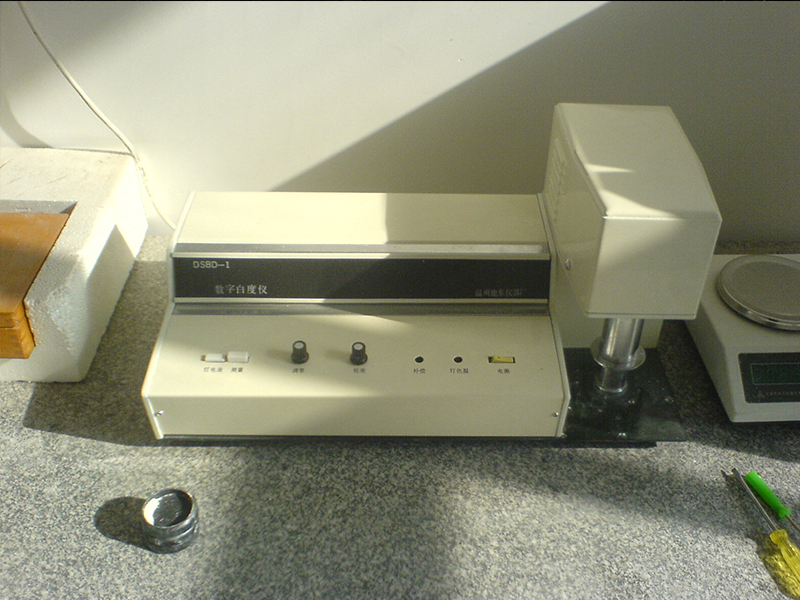
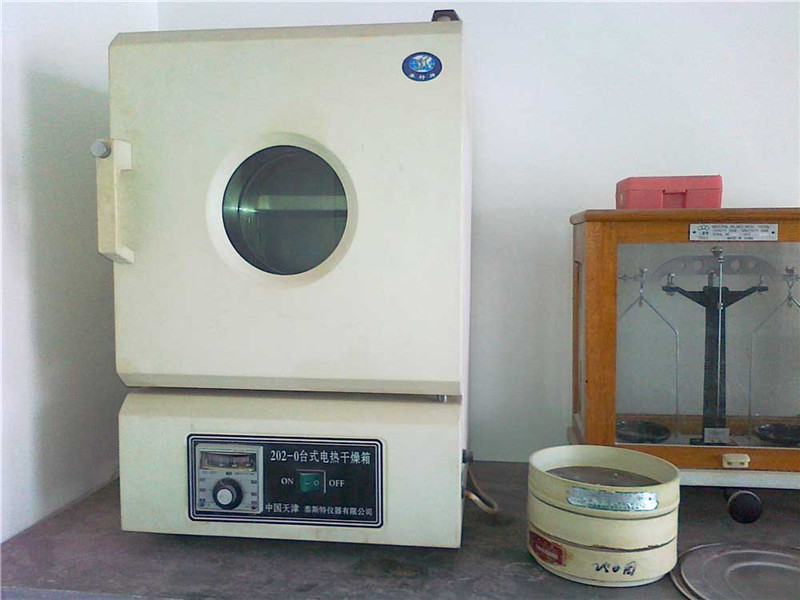
Strict international quality management systems, ISO compliance, and analytical testing ensure consistent mineral purity, accurate particle size distribution, and zero asbestos contamination.
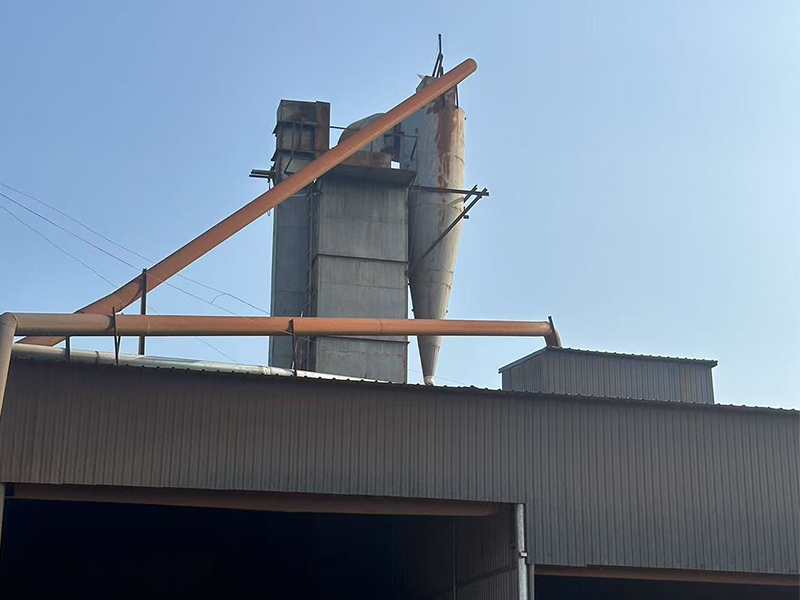
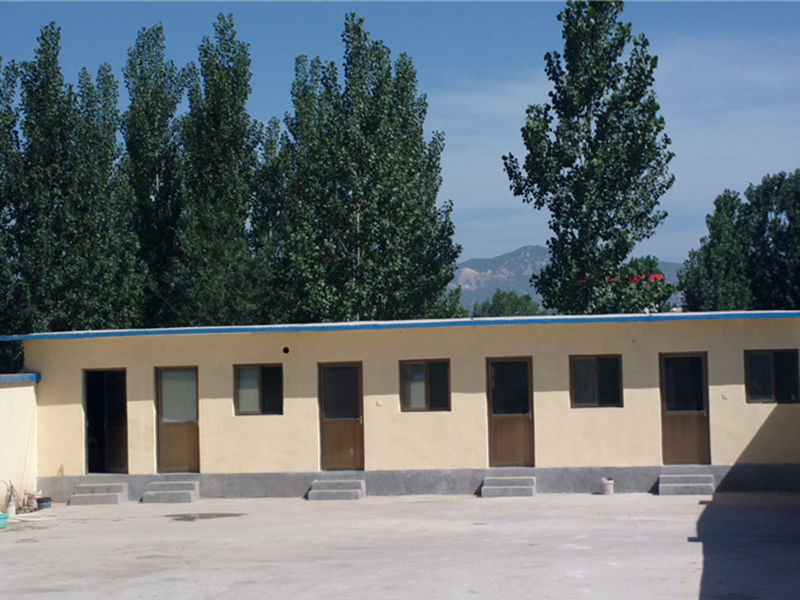
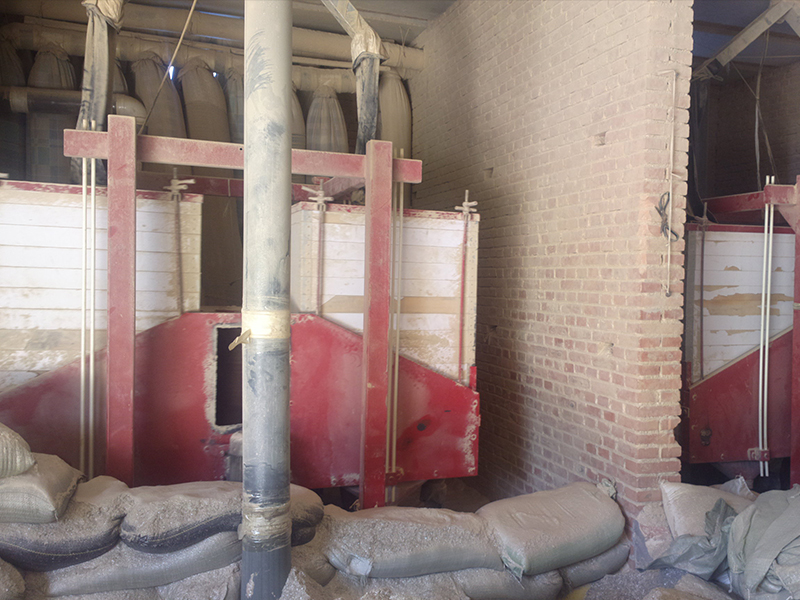
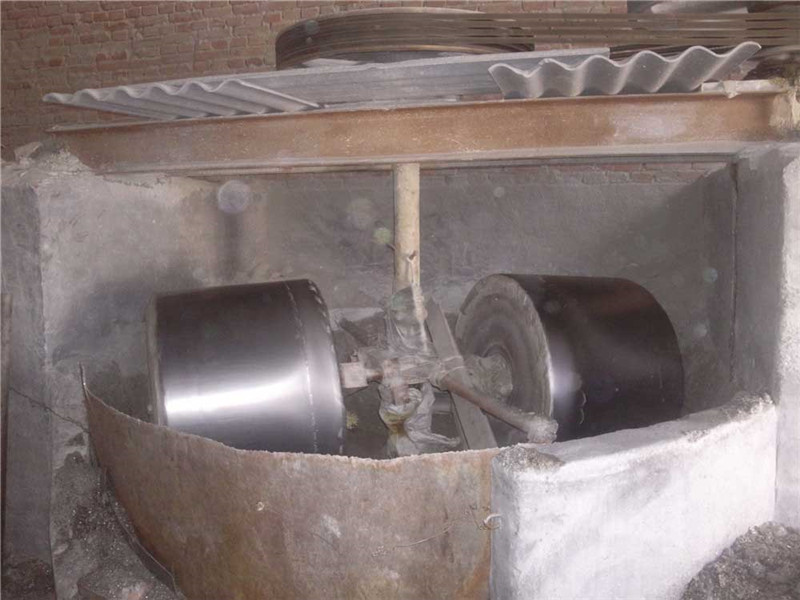
A panoramic view of our advanced mineral processing facilities, air-jet classifying systems, specialized packaging lines, and dedicated mineral compounding laboratories.