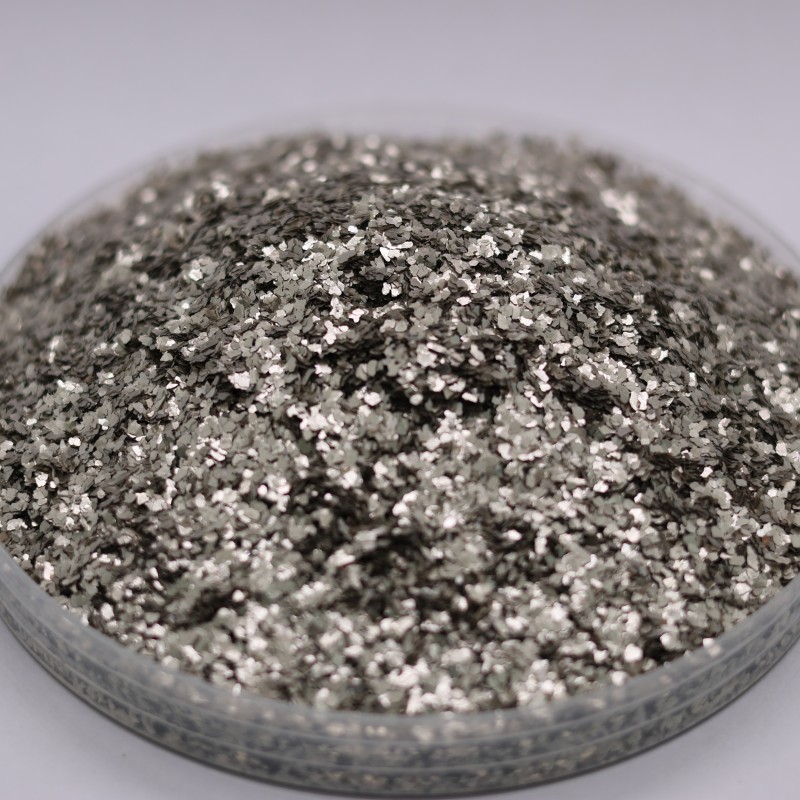
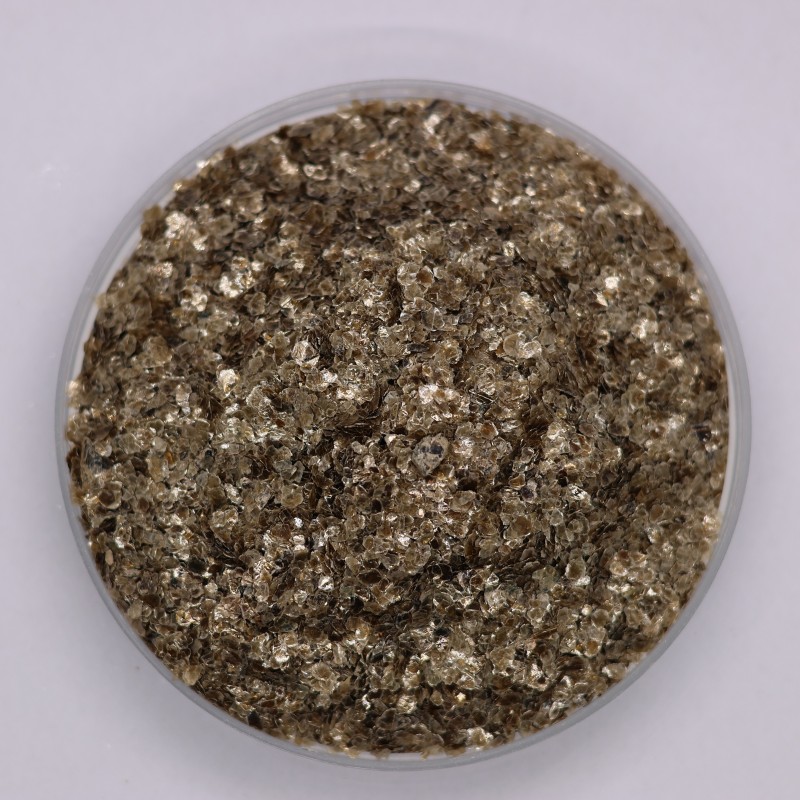
Explore our top non-metallic mineral solutions engineered for tailored reinforcement, dielectric properties, and barrier control in rubber and polymer compounding.
Shifting from inert filler to active reinforcing agent: How modern micro-talc and platy minerals address the technical and ecological demands of modern elastomer processing.
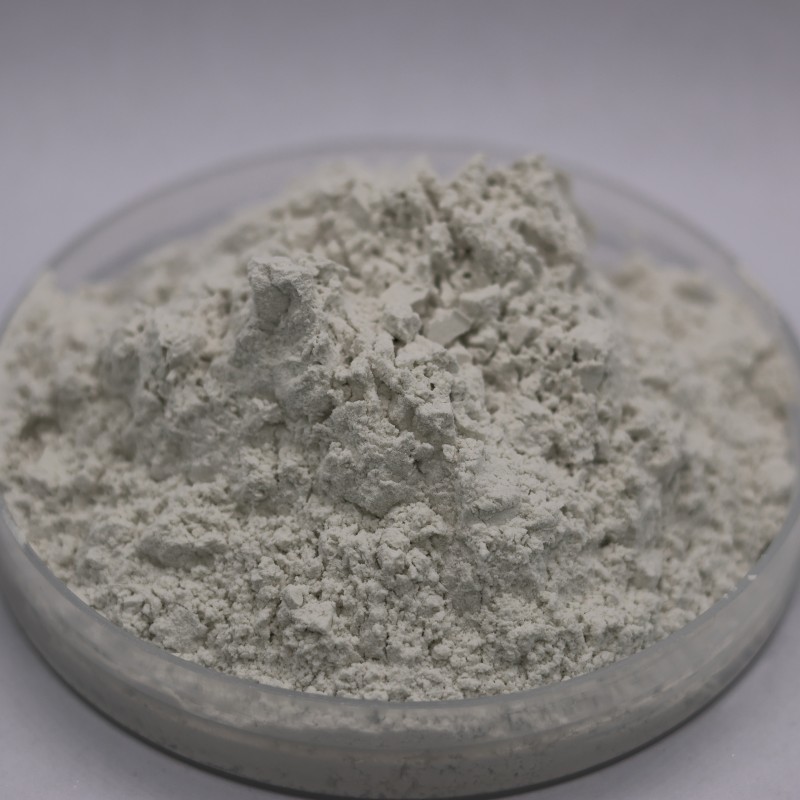
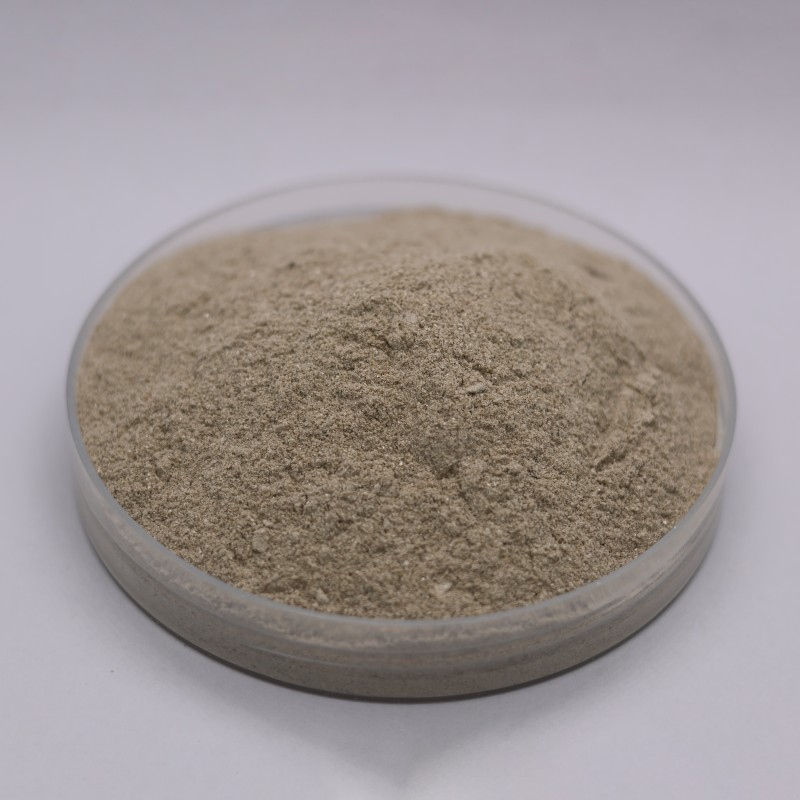
Modern ultrafine talc features a distinct lamellar (platy) crystal habit. When incorporated into rubber matrices during mixing, the platelets align along the stress vector, substantially improving tensile modulus, tear resistance, and flexural fatigue endurance without imparting excessive compound viscosity.
Talc platelets create an intricate "tortuous path" mechanism within cured elastomer structures. This significantly diminishes the gas, moisture, and fuel permeation rates in tire innerliners, automotive fuel hoses, and industrial membranes, outperforming standard calcium carbonate or precipitated silica.
With stringency in global emissions and EV range requirements, talc-filled compounds offer significant weight-reduction benefits over high-density mineral fillers and high-load carbon black compounds, aiding automakers in lightweighting weatherstrips, dampening pads, and undertray seals.
In the elastomer transformation chain, talc acts as both a reinforcing filler and an internal processing lubricant. The naturally hydrophobic, organophilic surface of talc fosters rapid polymer wet-out during internal mixing in Banbury or kneader equipment, mitigating the agglomeration pitfalls typical of precipitated silica.
During continuous extrusion of dense and sponge profiles (such as EPDM automotive weatherstripping), talc-loaded compounds exhibit reduced compound elasticity and significantly lowered die swell. This ensures sharp profile definition, superior surface gloss, faster extrusion line speeds, and uniform vulcanization rates across UHF microwave and hot-air curing tunnels.
Furthermore, ultrafine talc serves as an effective anti-tack dusting agent during sheet calendering, unvulcanized slab storage, and batch-off dips, entirely preventing rubber-to-rubber blocking without impairing compound tack during post-assembly cure cycles.
Inquire For Technical DataHow Talc Compares to Common Elastomer Fillers:
| Property | Micro Talc | Carbon Black (N550) | Precipitated CaCO3 |
|---|---|---|---|
| Particle Morphology | Platy / Lamellar | Nodular Aggregates | Rhombohedral / Calcite |
| Gas Permeability | Extremely Low | Moderate | High |
| Extrusion Die Swell | Very Low | Moderate | Moderate to High |
| Electrical Insulation | Excellent (Dielectric) | Conductive / Semi | Moderate |
| Color Versatility | Pure White / Light | Black Only | White |
From tire dynamic components to high-voltage cable insulation, engineered talc powder delivers distinct mechanical and thermal advantages across diverse rubber chemistries.
In ethylene propylene diene monomer (EPDM) weatherstrip and glass-run channels, micronized talc imparts low compression set, exceptional UV and ozone resilience, and an ultra-smooth extruded skin. It minimizes energy consumption during high-shear compounding and enhances profile geometry retention before entering the continuous vulcanization line.
Bromobutyl (BIIR) and Chlorobutyl (CIIR) formulations rely on high-aspect-ratio talc to maximize air retention in tubeless tire innerliners. By lengthening diffusion channels for oxygen and nitrogen molecules, talc prolongs tire inflation pressure stability, directly optimizing vehicle rolling resistance and tread life.
In nitrile and hydrogenated nitrile compounds exposed to aggressive hydraulic fluids, synthetic oils, and fuels, talc provides remarkable chemical inertness and volumetric swell resistance. Unlike standard clays, it does not hydrolyze or degrade under high thermal-fluid stresses, maintaining seal integrity in automotive transmissions.
For CPE, EVA, and silicone rubber power cables, talc delivers superior dielectric strength, flame-retardant smoke suppression synergy with ATH/MDH, and smooth surface finishing. Its low trace-iron content prevents premature electrical breakdown and ensures strict compliance with international low-voltage and medium-voltage cable standards.
For anti-vibration mountings, bridge bearings, conveyor belting, and hydraulic diaphragm membranes (NR, SBR, and CR base), micro-talc optimizes dynamic stiffness-to-damping ratios. It stabilizes green strength during mold transfer and reduces mold fouling, maximizing vulcanization press cycles.
In dynamic vulcanizates such as PP/EPDM-based TPVs, surface-treated functional talc serves as a nucleating and reinforcing mineral. It optimizes melt crystallization kinetics, improves tensile modulus, eliminates surface pinholes, and enhances dry-feel haptics in consumer and automotive interior trims.
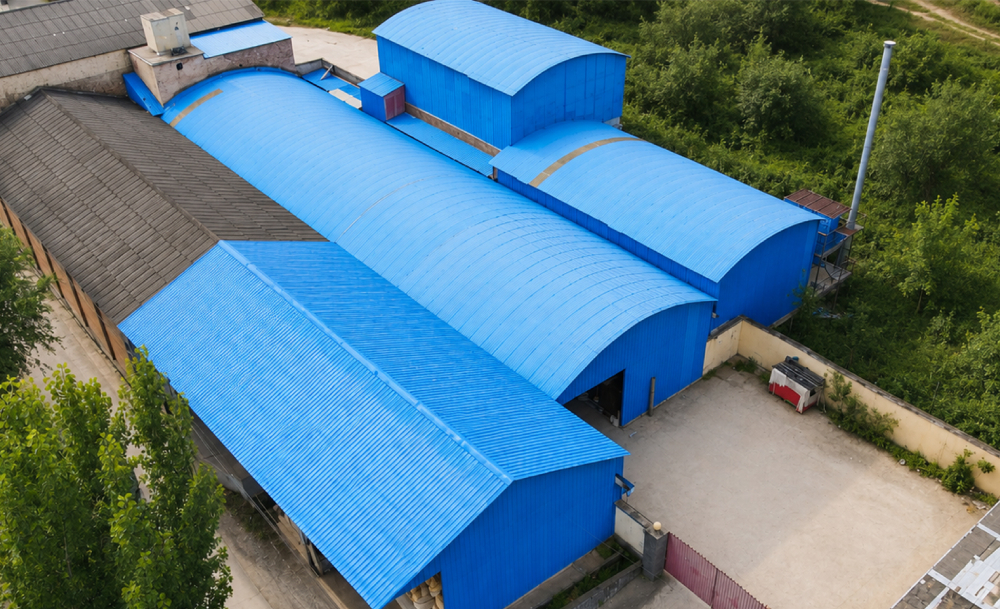
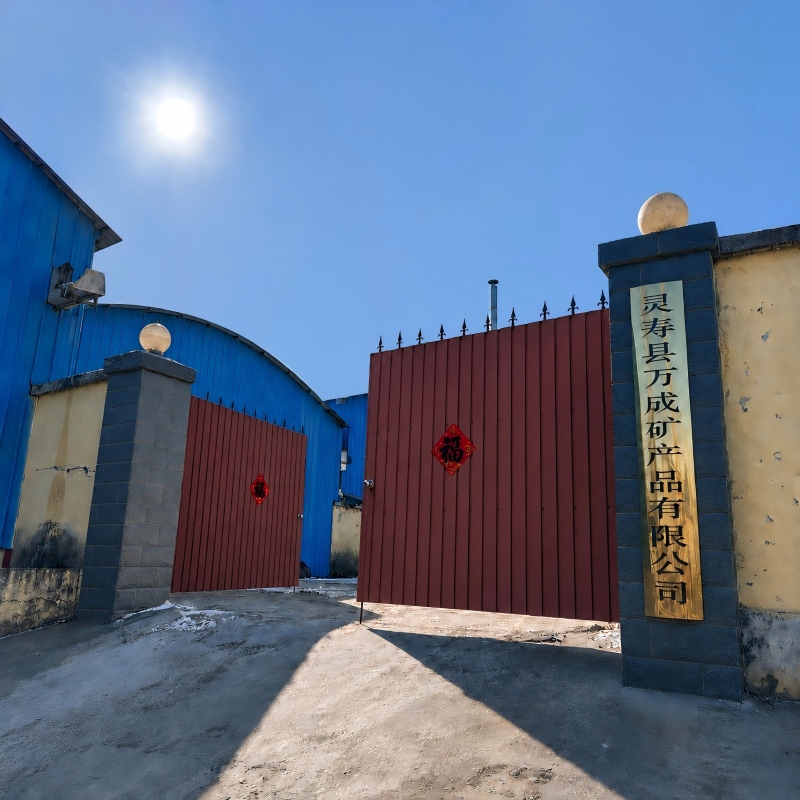
Lingshou County Wancheng Mineral Co., Ltd. is a professional manufacturer and supplier of non-metallic mineral products located in Lingshou County, Hebei Province, China.
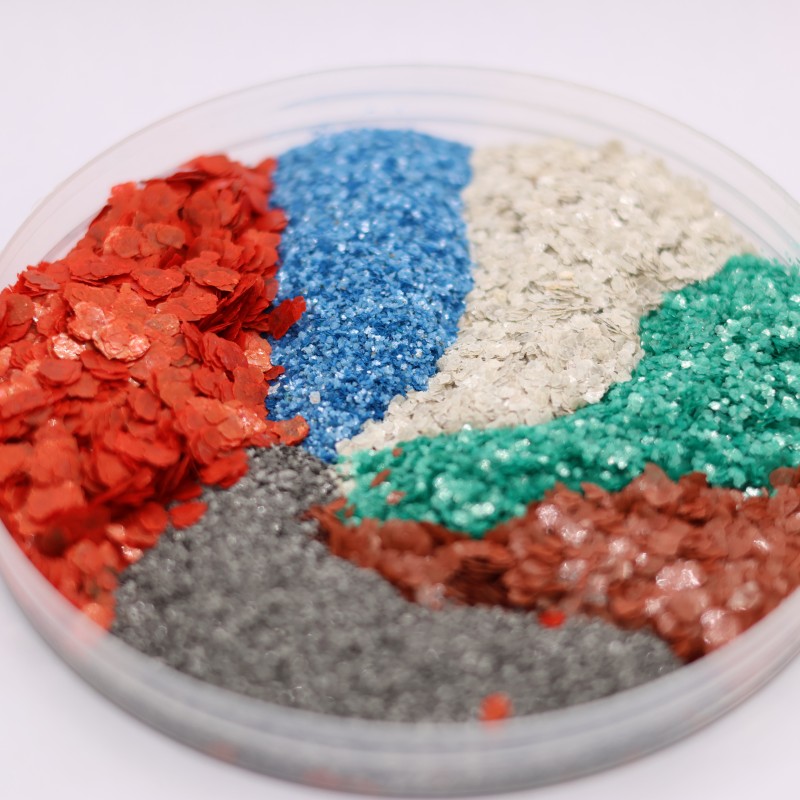
Founded in 2000 and formerly known as Lingshou JingXi KuangChan Processing Factory, we specialize in mica, talc, vermiculite, bentonite, tourmaline, glass beads and glass microspheres.
With extensive experience in mineral processing and international trade, we provide various grades, particle sizes and packaging options. Our products are exported to Europe, North America, Japan, South Korea and other international markets.
Supplying tailored mineral solutions engineered to empower key industrial manufacturing sectors globally.
Agriculture & Horticulture
Coatings & Paint
Oil Drilling & Foundry
Plastics & Polymers
Road Marking & Sandblasting
Rubber Industry
From coarse crushing and micronization to precise surface functionalization and global logistics fulfillment.
Recommend suitable mica, talc, bentonite, quartz, glass beads or tourmaline products according to application.
Support common mesh sizes and customized powder specifications for different industries.
Prepare TDS, MSDS, COA samples and packaging information for buyer review.
Provide 25kg bags, jumbo bags, pallets and customized packaging for international shipments.
A streamlined, quality-assured engineering and supply chain workflow tailored to international rubber compounders.
Application, particle size, specification, quantity, packaging and destination port.
Recommend suitable product grade and related technical information.
Arrange sample review and testing according to buyer requirements.
Powder processing, inspection, bagging, palletizing and export packaging.
Coordinate shipping documents, loading and delivery according to trade terms.
Decades of mining precision, consistency, and dedicated technical support for high-specification polymer production.
Clear product specifications, batch inspection and quality records help maintain stable supply from sample approval to repeat orders.
Production planning and order coordination help support consistent lead times for regular purchases and repeat orders.
Packaging, labeling, palletizing and loading arrangements can be coordinated according to product, order and destination requirements.
Support technical and commercial documents, container loading, shipment arrangements and order follow-up under agreed trade terms.
Explore our full line of non-metallic industrial minerals optimized for rubber compounding, functional coatings, plastics, and advanced composites.