Leave Your Message
Advanced Material Engineering & Mineral Science

Talc Powder In Polypropylene For Construction Materials And Dry-mix Mortar

Precision-engineered lamellar talc reinforcing agents delivering elevated flexural modulus, superior thermal dimensional stability, and rheological performance across thermoplastic composites and cementitious matrix systems.

Primary Industrial Mineral Solutions

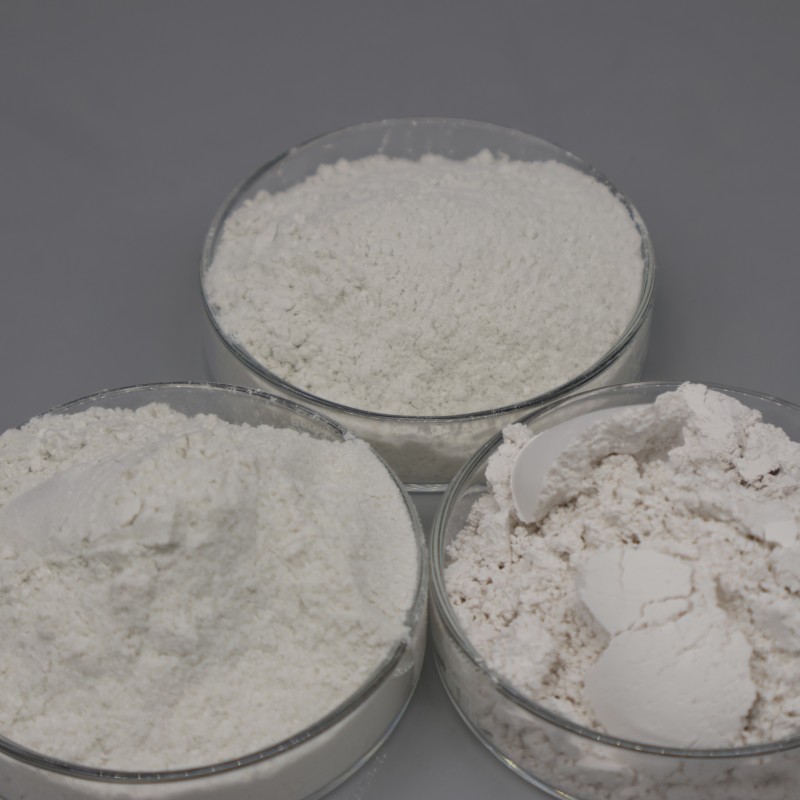
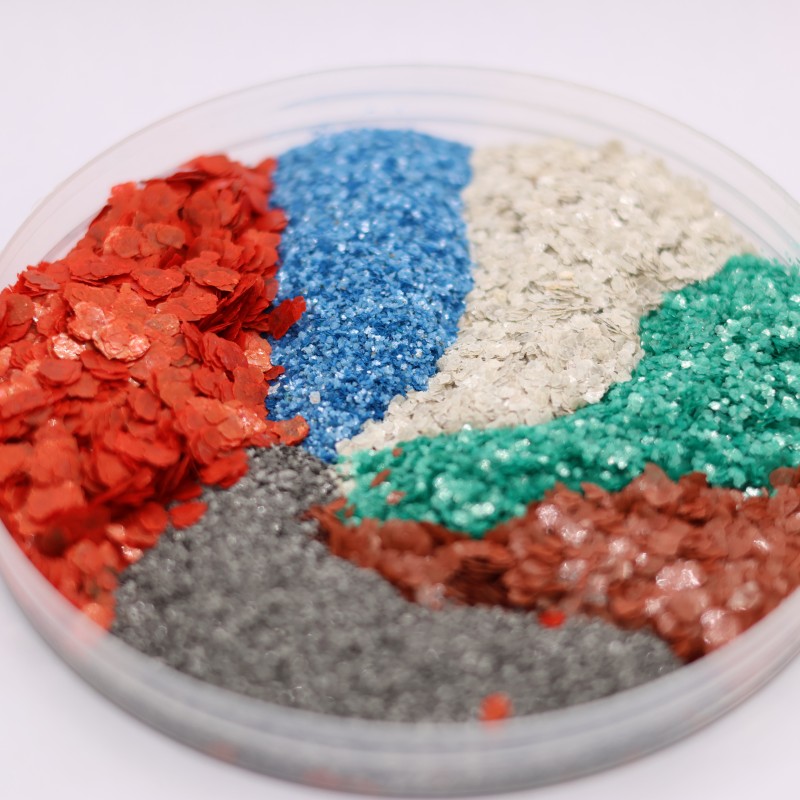
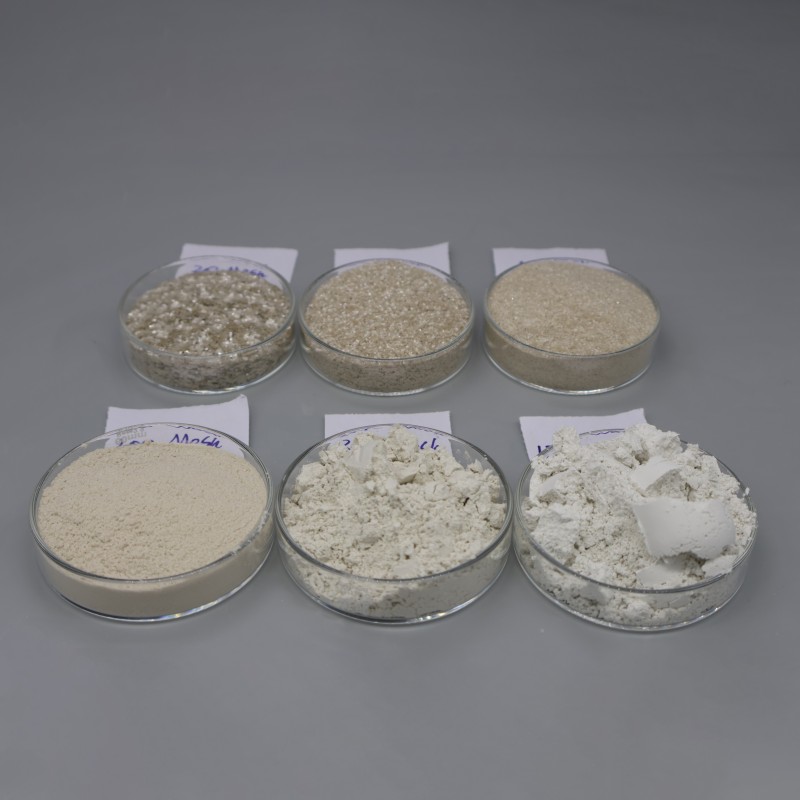
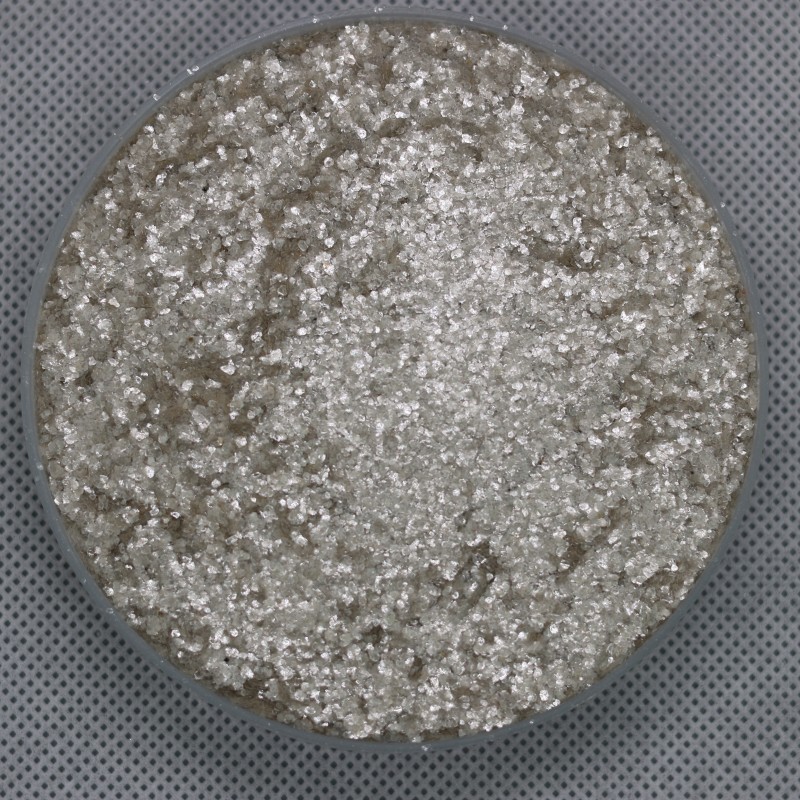
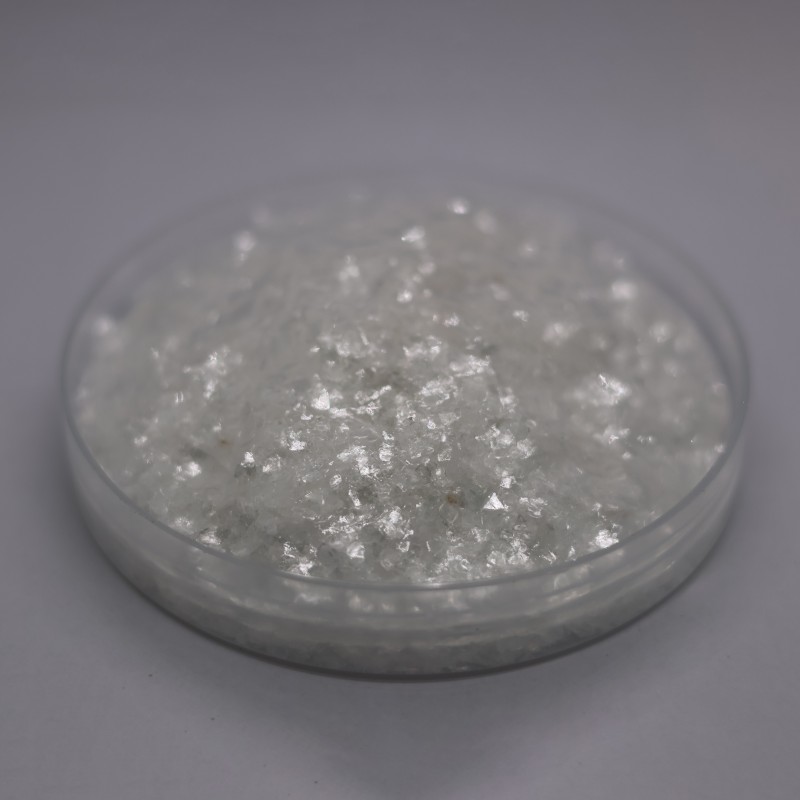
High-purity platy talc and specialized mineral grades calibrated for high-loading polypropylene compounding, technical mortars, and structural coatings.

Commercial Dynamics: Talc Powder in Polypropylene & Construction Systems

Exploring macro-level industrial adoption, raw material economics, and micro-structural reinforcement mechanisms.

⚙️

Thermoplastic Reinforcement

Micro-lamellar talc acts as an active nucleating agent in polypropylene (PP), significantly accelerating crystallization kinetics, raising heat deflection temperatures (HDT), and boosting flexural modulus for structural building applications.

🏗️

Dry-Mix Mortar Optimization

In cementitious systems, high-fineness talc powder provides rheology control, superior anti-sagging performance, water retention, and crack bridging, ensuring optimal workability in thin-bed tile adhesives and exterior renders.

🌱

Circular Economy & LCA

Replacing energy-intensive synthetic fillers and polymer resins with natural, high-purity micronized talc drastically lowers embodied carbon while enhancing product durability and service life in demanding environments.

1. The Evolution of Modified Polypropylene in Modern Civil Infrastructure

Polypropylene (PP) has transformed modern civil infrastructure due to its high chemical resistance, low specific density, and processability. However, neat polypropylene exhibits intrinsic limitations such as high post-molding shrinkage, moderate stiffness at elevated temperatures, and susceptibility to creep. Integrating micronized talc powder into polypropylene matrices resolves these drawbacks. Talc’s plate-like (lamellar) morphology functions as an efficient mechanical reinforcement, creating an interwoven internal structure that restricts polymer chain slippage under load.

In structural construction components—such as stormwater retention panels, electrical conduit systems, extruded hollow profiles, geocells, and architectural cladding—talc-filled polypropylene delivers the dimensional stability required to replace heavier metals and unreinforced polymers. The addition of treated talc (typically 10% to 40% by weight) ensures a balanced stiffness-to-toughness ratio while mitigating thermal expansion, enabling composite elements to maintain tight tolerances through changing seasonal temperatures.

2. Nucleation Dynamics and Thermo-Mechanical Enhancement

When incorporated into isotactic polypropylene (iPP) or block copolymer PP, talc platelets provide heterogeneous nucleation sites during polymer crystallization. This crystalline structuring forms smaller spherulites, resulting in faster cycle times during injection molding and extrusion, as well as:

• Substantial Increase in Flexural Modulus: Talc platelets oriented along the melt flow alignment resist bending forces, increasing the flexural modulus from ~1.2 GPa in virgin PP up to 3.5–5.0 GPa in high-aspect-ratio formulations.
• Elevated Heat Deflection Temperature (HDT): Under a 0.45 MPa or 1.80 MPa load, talc-reinforced PP exhibits an HDT increase of 25°C to 45°C, ensuring structural integrity in high-heat building environments such as roofing and underfloor heating manifolds.
• Minimized Isotropic Shrinkage: Differential mold shrinkage is a frequent cause of warpage in large-format construction panels. The lamellar barrier of talc minimizes shrinkage variance between the machine direction (MD) and transverse direction (TD).

Engineering Mechanics of Talc Powder in Dry-Mix Mortars

Micron-scale particulate packing, rheological stability, and moisture barrier integrity in cementitious formulations.

1. Micro-Filler Packing and Rheology Modification

In contemporary dry-mix mortar production—including self-leveling compounds, external thermal insulation composite systems (ETICS), masonry mortars, and flexible tile adhesives—particle size distribution is key to cohesive performance. Talc powder serves as a functional micro-aggregate. Its naturally hydrophobic sheet silicate structure, combined with high surface lubricity, provides unique plasticizing characteristics without increasing water demand.

Unlike coarse quartz sand or conventional calcium carbonate, micronized talc particles (ranging from 325 mesh to 2500 mesh) fill interstitial voids between Portland cement grains and fine sand. This micro-filler effect reduces capillary porosity, improving paste cohesiveness and pumpability while reducing equipment wear in high-pressure pneumatic mortar pumps.

2. Crack Arrest, Hydrophobicity, and Extended Open Time

Talc’s platelike particles create a physical barrier against crack propagation within curing mortar matrices. As hydration proceeds, drying shrinkage induces internal tensile stresses. The distributed talc platelets absorb localized strain energy, deflecting micro-cracks and preventing macroscopic fractures.

Furthermore, talc's naturally low surface energy contributes mild water repellency, lowering efflorescence risks and improving freeze-thaw durability in exterior building envelopes. In thin-set tile adhesives (C2TE classifications according to EN 12004), talc optimizes thixotropic yield stress, preventing heavy porcelain slabs from slipping on vertical surfaces while extending open working times for installation crews.

Performance Parameter Unfilled PP / Standard Mortar 20% Talc Filled PP / Modified Mortar Primary Industrial Benefit
Flexural Modulus (PP Matrix) 1,100 – 1,350 MPa 2,800 – 3,900 MPa Prevents structural deflection in exterior profiles
Heat Deflection Temp (0.45 MPa) 85°C – 95°C 125°C – 138°C Enhanced thermal resilience in radiant systems
Linear Thermal Expansion (CLTE) 120 – 150 × 10⁻⁶ / K 50 – 75 × 10⁻⁶ / K Prevents buckling in large panel cladding
Mortar Anti-Sagging (EN 1308) > 1.5 mm displacement < 0.3 mm displacement High-slip resistance for heavy architectural tile
Capillary Water Absorption High Porosity (Baseline) Reduced by 28% – 42% Prevents moisture damage, freeze-thaw failure & efflorescence
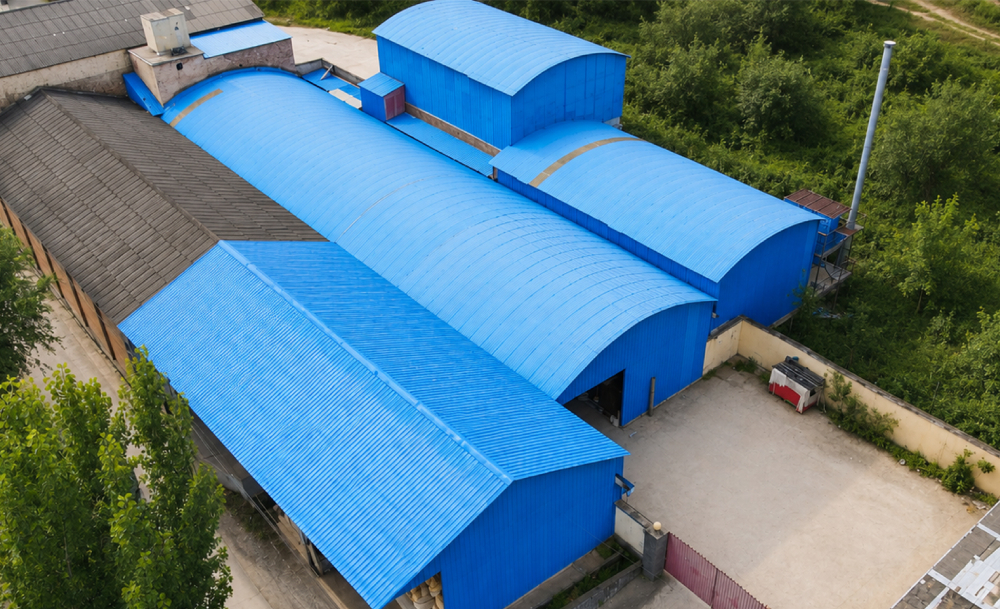
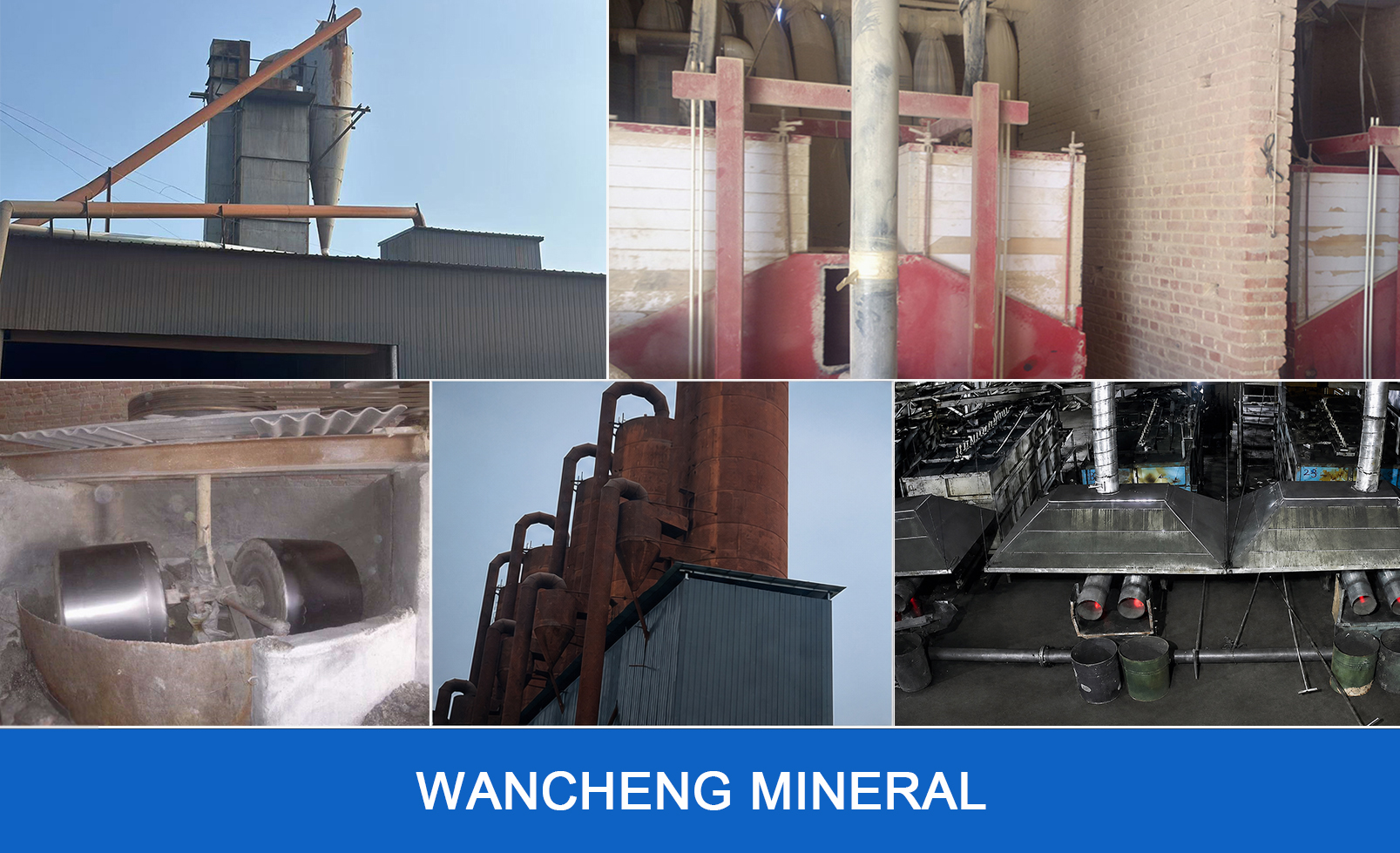
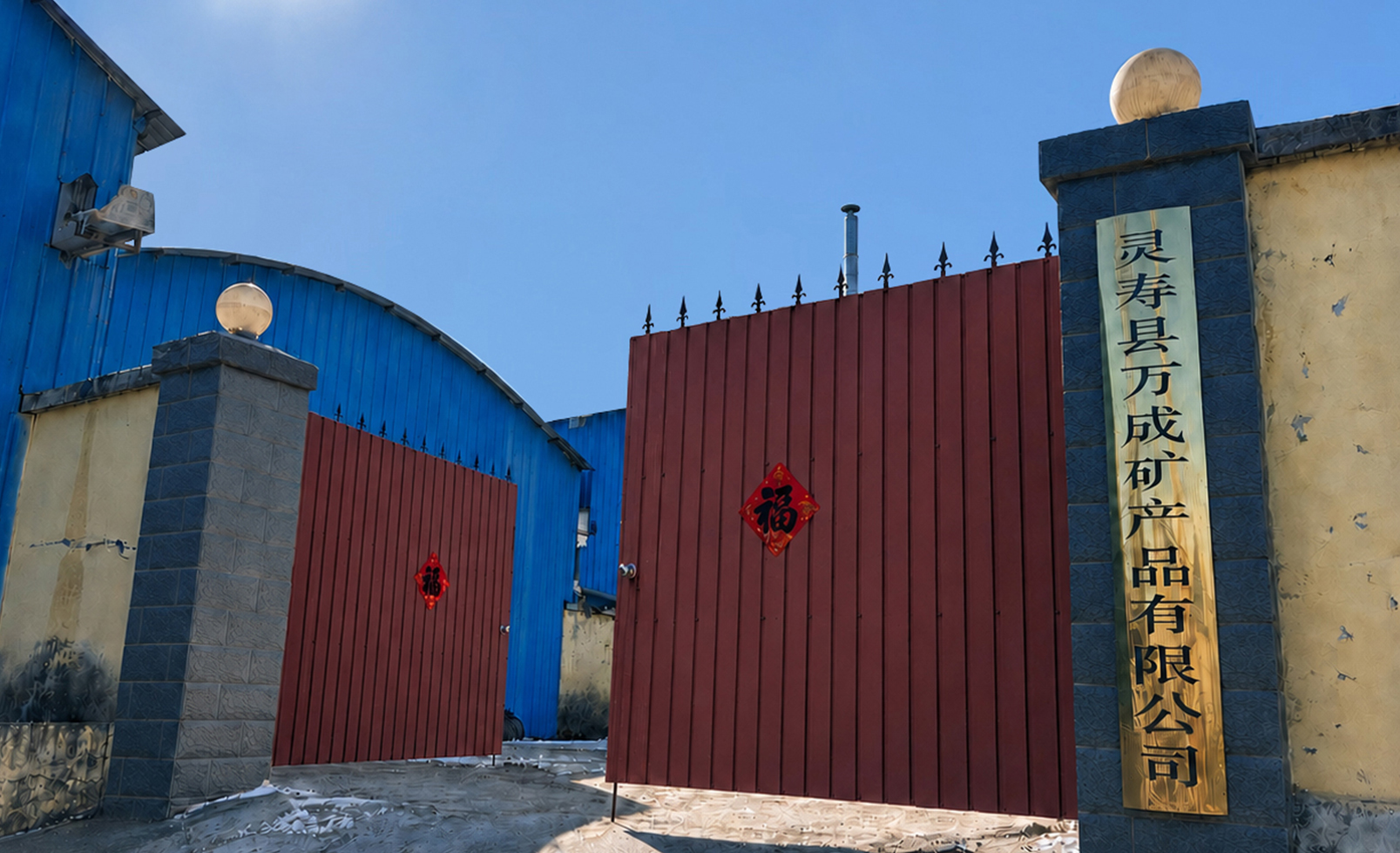
Lingshou County Wancheng Mineral Manufacturing Facility

About Us — Mineral Processing Excellence

Lingshou County Wancheng Mineral Co., Ltd. is a professional manufacturer and supplier of non-metallic mineral products located in Lingshou County, Hebei Province, China.

Founded in 2000, the company was formerly known as Lingshou JingXi KuangChan Processing Factory. Since its establishment, we have focused on the processing, production, and supply of non-metallic mineral materials for industrial customers in China and international markets.

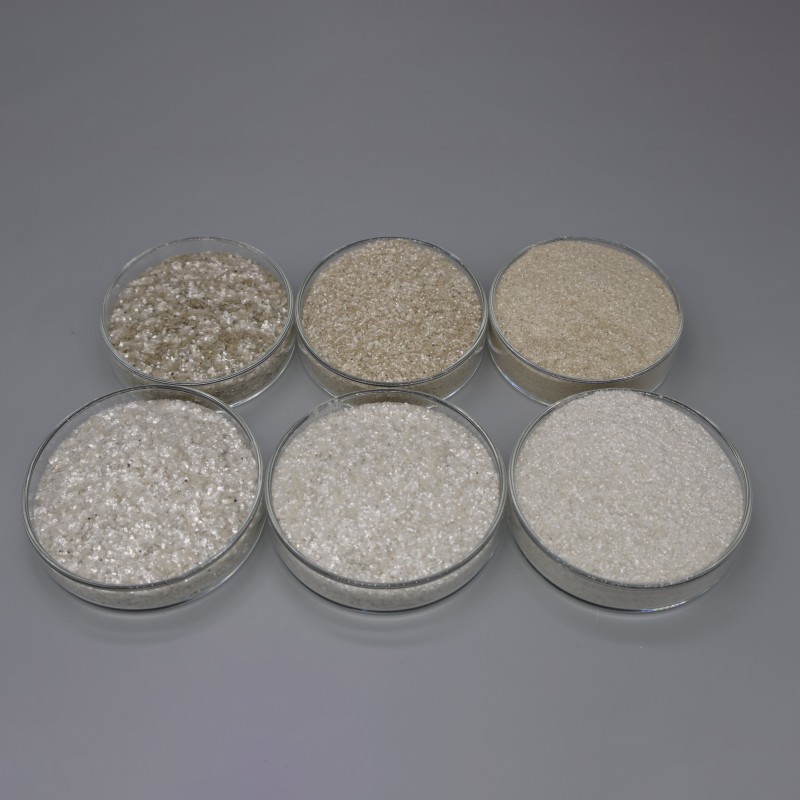
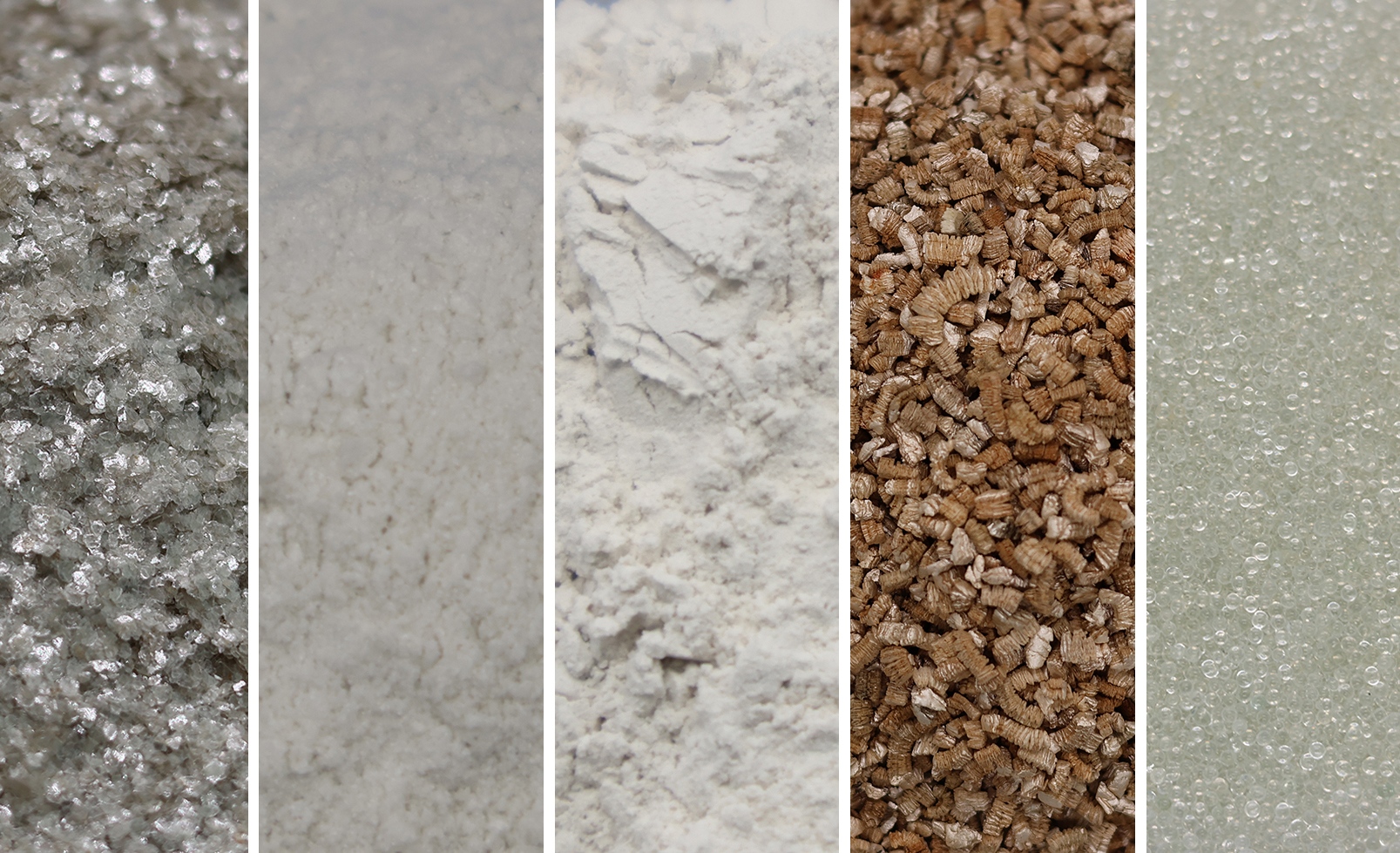
Our main products include mica, talc, vermiculite, bentonite, tourmaline, and glass beads. With years of experience in mineral processing and international trade, we provide products in different grades, particle sizes, and packaging options according to customers’ specific requirements.

Comprehensive Non-Metallic Industrial Minerals

Comprehensive Industrial Mineral Portfolio

Our primary manufacturing lines cover high-grade non-metallic mineral solutions tailored for advanced compounding and construction formulations:

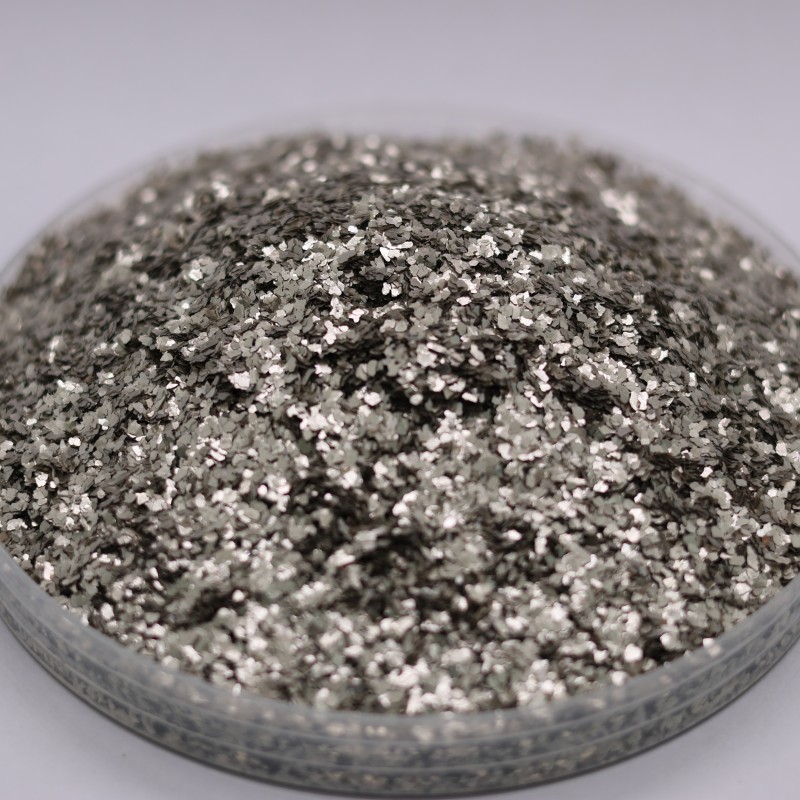
  • Mica: Muscovite, Biotite, Calcined, Dry Ground, and Synthetic variants for thermal and dielectric barriers.
  • Talc: High-whiteness, micro-lamellar talc powders for polypropylene modification, paints, and dry mortars.
  • Vermiculite & Bentonite: Expanded and crude grades for insulation, foundry, and structural sealing.
  • Tourmaline: Functional negative ion and far-infrared active minerals.
  • Glass Beads and Glass Microspheres: Precision hollow and solid spheres for reflective coatings and lightweight fillers.

Our products are widely used in coatings, construction materials, thermal insulation, plastics, rubber, ceramics, filtration, decorative materials, road marking, and other industrial applications.

Precision Production and Mineral Quality Control

Production and Quality Control Standards

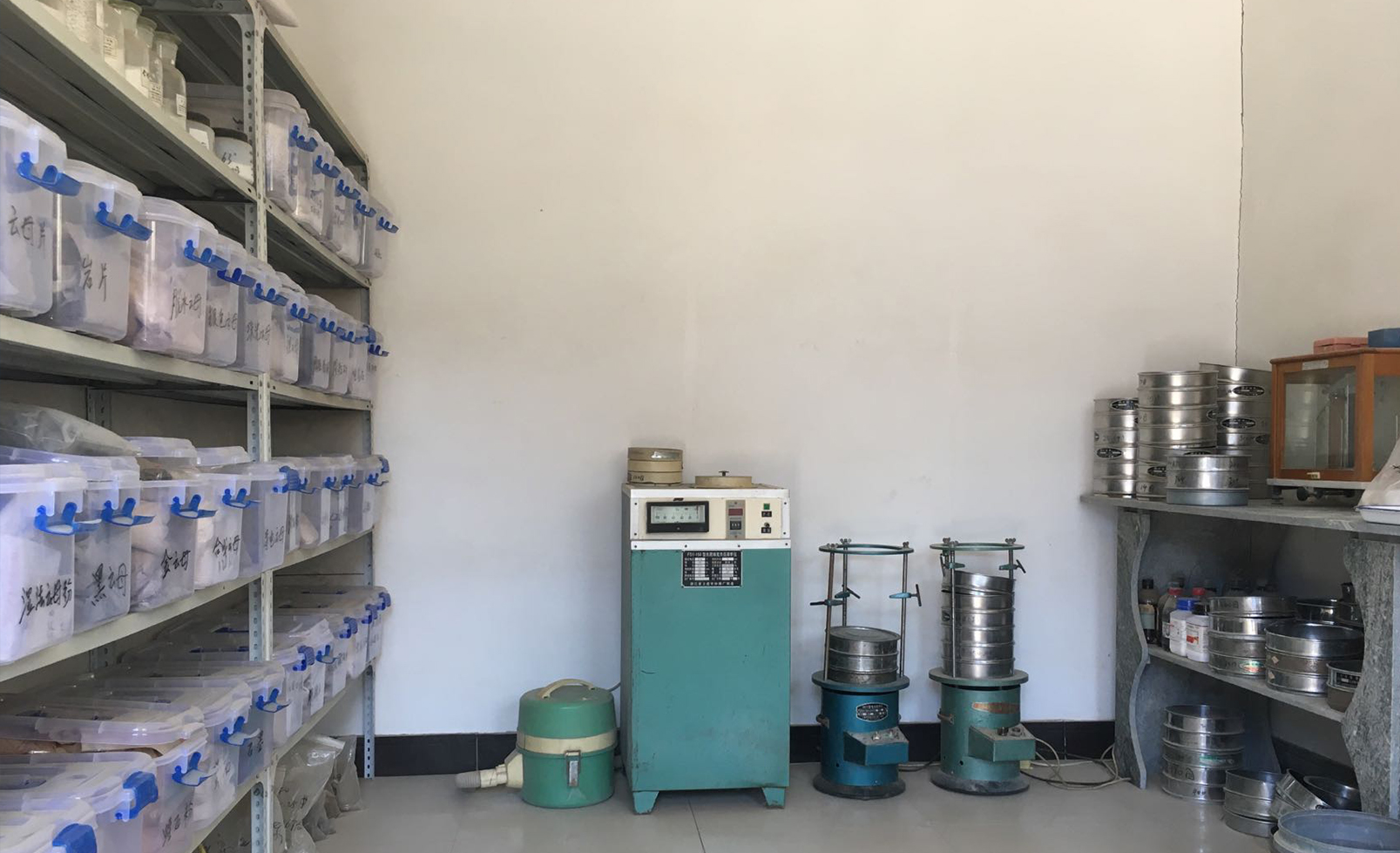
We pay close attention to every stage of production, including raw material selection, fine milling, classification, optical sorting, inspection, packaging, and delivery.

Our goal is to provide customers with consistent product quality, reliable supply, and suitable mineral solutions for different applications. Various specifications, particle sizes, grades, and packaging methods are available according to customer requirements.

Product samples, technical specifications, and relevant information can be provided for evaluation before bulk orders.

Worldwide Logistics and Export Destinations

Global Markets & Export Capabilities

Our products are exported to Europe, North America, Japan, South Korea, Southeast Asia, and other international markets.

Through years of export experience, we have developed a practical understanding of international customer requirements, packaging standards, export documentation, and shipping arrangements.

We serve manufacturers, distributors, importers, wholesalers, and industrial users around the world with stable delivery schedules and containerized logistics solutions.

Dedicated Customer Service and Technical Support

Technical & Commercial Service Commitments

We provide customers with dedicated support throughout procurement and qualification:

  • Product selection support and polymer compounding consulting
  • Customized particle sizes (mesh 200 to 5000) and surface functionalization
  • Free testing samples dispatched for lab trial evaluations
  • Customized valve bags, jumbo ton bags, and palletizing options
  • Complete export documentation (COA, MSDS, Certificate of Origin)
  • Stable batch-to-batch production and dependable lead times
  • Professional pre-sales and after-sales technical service
Long Term Industrial Mineral Partnerships

Our Commitment to Long-Term Reliability

Since 2000, we have maintained a strong focus on product quality, reliable service, and long-term cooperation.

Lingshou County Wancheng Mineral Co., Ltd. is committed to supplying dependable non-metallic mineral products and building stable business relationships with customers worldwide.

We welcome manufacturers, distributors, importers, and industrial users to contact us for product specifications, samples, quotations, and cooperation opportunities.

Connect with Lingshou County Wancheng Mineral Co., Ltd.

Company Name: Lingshou County Wancheng Mineral Co., Ltd.

Address: Nan'an Village, Nanyanchuan Township, Lingshou County, Shijiazhuang, Hebei Province, China

Official Website: www.jxkc.com

Complete Mineral Product Portfolio

Explore our full range of processed mica, talc, and non-metallic mineral grades manufactured under strict quality standards for global industrial applications.