Czech Market Overview
The Strategic Landscape of Talc-Reinforced Polypropylene in Czechia
The Czech Republic (Czechia) stands at the geographic and economic epicenter of Central European precision manufacturing, boasting one of the European Union's highest industrial outputs per capita. As global automotive manufacturers, electronic component producers, and consumer goods fabricators accelerate their shift toward lightweight, high-performance thermoplastics, the demand for Talc Powder in Polypropylene (PP) across Czech industrial clusters has expanded at an extraordinary pace. Centered around industrial heartlands such as Central Bohemia (Mladá Boleslav, Kolín), Moravia-Silesia (Ostrava, Nošovice), and South Moravia (Brno), modern polymer converters continuously optimize PP compounding formulations to meet stringent OEM engineering criteria.
Polypropylene, intrinsically recognized for its cost-efficiency, chemical inertia, and ease of recycling, requires precise mineral reinforcement to transcend its baseline thermal and mechanical limitations. Incorporating micro-ground, high-aspect-ratio talc into polypropylene matrices transforms neat polymer resin into an advanced structural composite capable of substituting heavier metal alloys and expensive engineering plastics like polyamide (PA) and polybutylene terephthalate (PBT). In the Czech industrial framework, where high precision and circularity dictate market success, specialized talc powder acts as both an indispensable nucleating agent and a primary mechanical reinforcer.
Lamellar Aspect Ratio
High-purity platy morphology delivers superior flexural modulus, rigidity, and dimensional stability in PP-T20 and PP-T40 automotive grades manufactured in Czech injection molding plants.
Heterogeneous Nucleation
Accelerates polymer crystallization kinetics during high-speed cycle times, substantially increasing production throughput and reducing heat deflection warping in thin-wall parts.
Thermal & Creep Resistance
Elevates Heat Deflection Temperature (HDT) up to 135°C, ensuring long-term acoustic damping and mechanical integrity under demanding automotive under-the-hood conditions.
Technical Synergies: How Talc Enhances Polypropylene Matrices
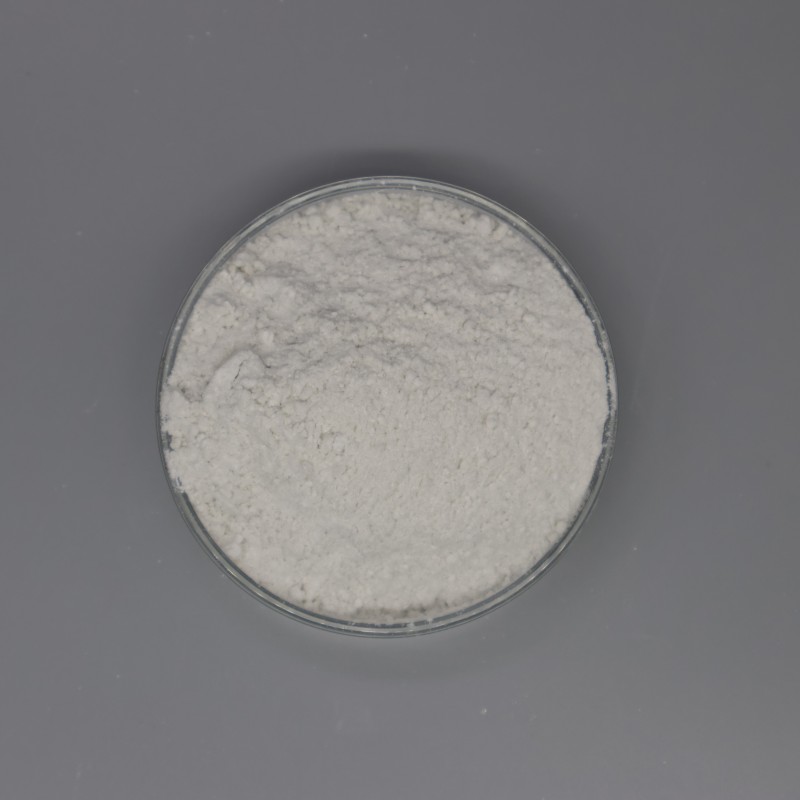
Talc (hydrated magnesium silicate, Mg3Si4O10(OH)2) is the softest known mineral, possessing a natural hydrophobic surface and an anisotropic, platelet-like molecular structure. When compounded into homopolymer (hPP) or impact copolymer (cPP) polypropylene matrices using co-rotating twin-screw extruders, the platy talc delaminates into micro- and nano-scale lamellae. This microscopic orientation creates planar reinforcement barriers throughout the polymer melt.
The primary technical contributions of high-grade talc powder in polypropylene for Czech manufacturing encompass:
-
Exceptional Flexural Modulus and Tensile Strength: Reinforcing standard polypropylene with 20% to 40% talc increases the flexural modulus from ~1.2 GPa up to 3.8–5.5 GPa, providing load-bearing capabilities essential for automotive instrument panels and structural carriers.
-
Significant Reduction in Mold Shrinkage & Anisotropy: Polypropylene's semi-crystalline nature typically causes differential shrinkage between the machine and transverse flow directions. Platy talc dampens volumetric contraction, cutting shrinkage from 1.5–2.0% down to under 0.6%, enabling zero-gap tolerance assemblies.
-
Optimized Scratch Resistance and Surface Aesthetics: Advanced micro-talcs treated with custom silane and organic titanate coupling agents prevent surface micro-voiding and eliminate scratch whitening—a mandatory prerequisite for luxury vehicle cabin trims across European OEMs.
-
Low Volatile Organic Compounds (VOC) and Low Fogging: Ultra-pure talc powders processed with rigorous calcination and dedusting systems meet German and Czech automotive standards (such as VDA 278 and VW 50180) for low odor, low emission cabin environments.
Advancing the Circular Economy: Talc's Role in PCR Polypropylene Upgrading
In accordance with the European Union's ambitious Circular Economy Action Plan and the Packaging and Packaging Waste Regulation (PPWR), Czech polymer manufacturers are under increasing regulatory mandates to integrate high percentages of Post-Consumer Recycled (PCR) and Post-Industrial Recycled (PIR) polypropylene into commercial parts. Recycled PP often suffers from diminished tensile strength, erratic melt flow rates, and compromised stiffness due to thermal-oxidative degradation during previous processing cycles.
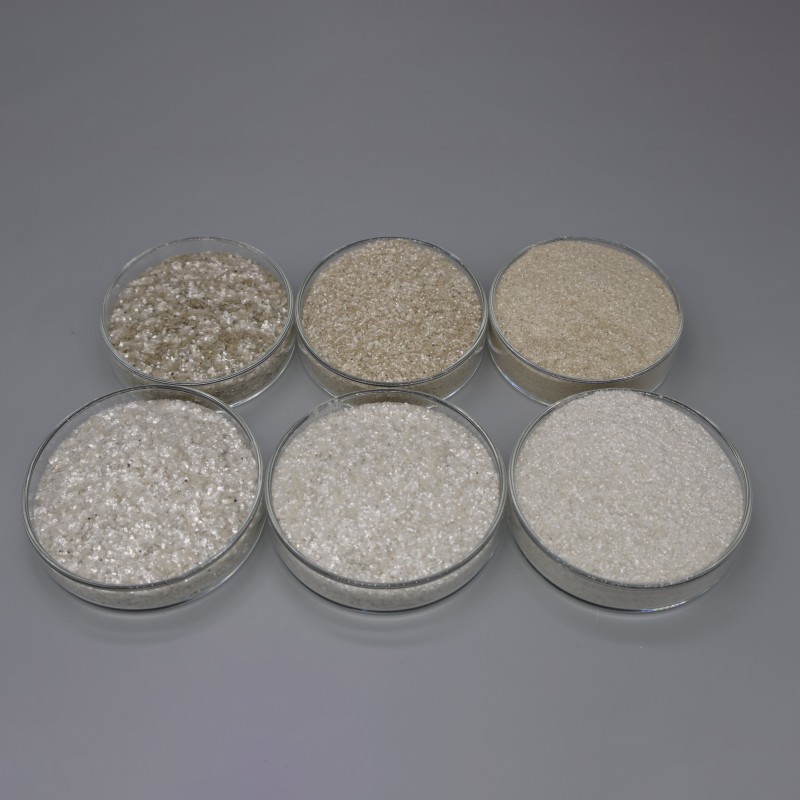
Here, the addition of tailored, fine-particle talc powder operates as a vital mechanical restorer. By acting as a rigid inorganic scaffold, 15% to 30% talc compounding compensates for the molecular chain degradation of recycled resins, boosting the tensile modulus of 100% PCR polypropylene to levels comparable with virgin prime homopolymers. Czech masterbatch producers and recyclers utilize Wancheng Mineral's chemically purified talc grades to formulate circular compounds that comply fully with REACH, RoHS, and OEM automotive recyclability quotas.
Key Quality Parameters for Talc Selection in Czech Compounding Lines
For Masterbatchers and Direct Compounders operating throughout Bohemia and Moravia, selecting the appropriate talc grade is governed by rigorous physico-chemical metrics:
-
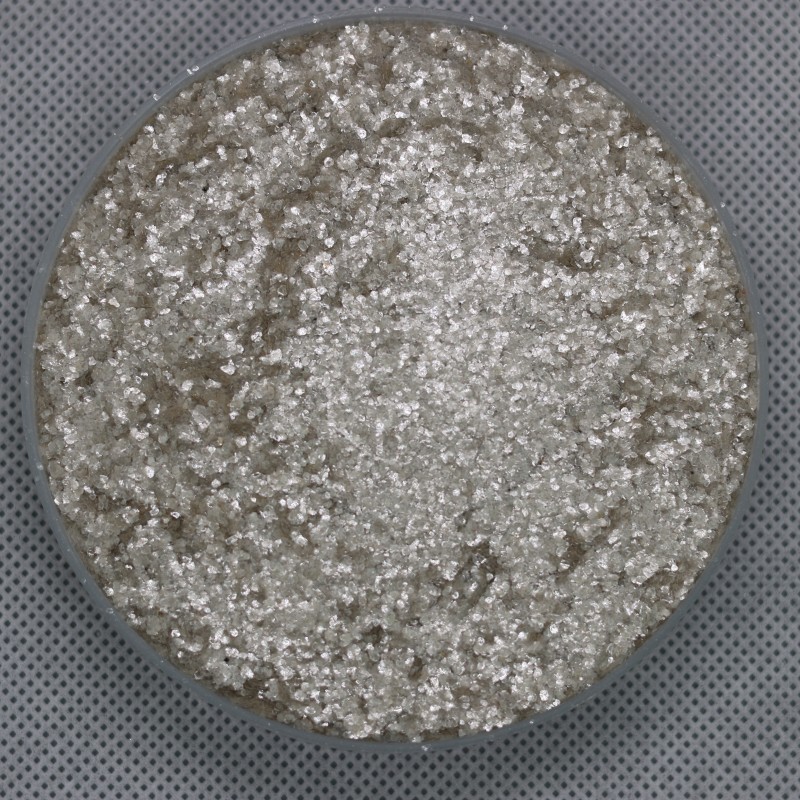
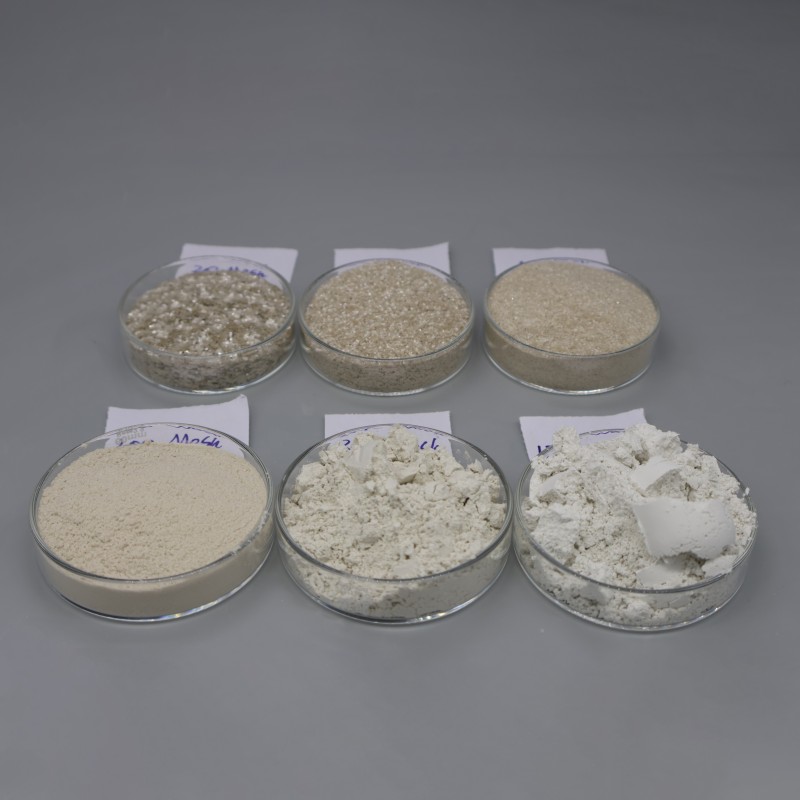
Particle Size Distribution (D50 & D98 / Top-Cut): Sub-micron and micronized grades (D50 between 1.5 μm and 3.5 μm, with top-cut D98 < 10 μm) ensure optimal dispersion in high-torque extruders, preventing nozzle clogging during intricate injection molding operations.
-
Lamellarity Index: A high aspect ratio (platelet diameter vs. thickness) dictates flexural reinforcement. High-aspect-ratio (HAR) talcs yield up to 25% higher stiffness compared with standard spherical or low-aspect fillers at identical loadings.
-
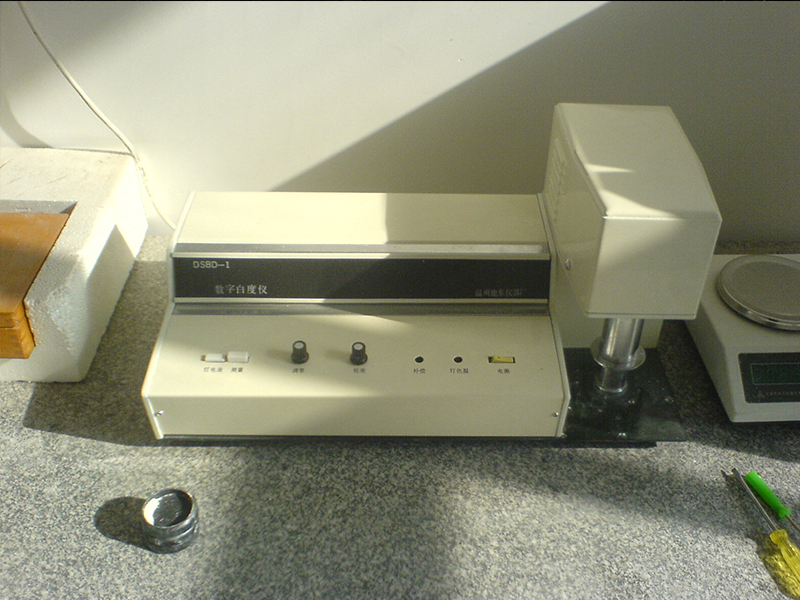
Whiteness and Purity (CIE L* Value): High whiteness (>92%) minimizes colorant consumption when compounding bright-tinted consumer products or pre-colored automotive interior plastics.
-
Surface Treatment Compatibility: Specialized stearate, silane, or polymer-grafted coatings enhance interfacial adhesion between hydrophobic polypropylene chains and the mineral substrate, significantly raising Charpy notched impact resistance.