Leave Your Message

Blog

What Is Talc Powder Used For in Global Sourcing?

What Is Talc Powder Used For in Global Sourcing?

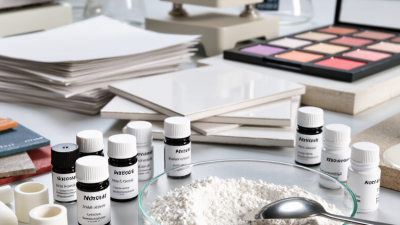
Talc Powder is way more than just a soft, white mineral when you're sourcing globally. It's a functional material that shows up in plastics, paints, ceramics, paper, rubber, cosmetics, and a range of industrial products. What makes it valuable? Practical stuff: low hardness, chemical stability, moisture resistance, and the ability to improve processing. In polypropylene parts, for instance, Talc Powder can boost stiffness and cut down shrinkage. In paint, it might improve texture, coverage, and how the surface sands. Dr. George Wypych, who knows industrial fillers well, calls talc 'a functional filler, not merely a cheap extender.' That's a distinction buyers should keep in mind. When you're sourcing, look at particle size, whiteness, lamellarity, purity, moisture, surface treatment, and batch consistency. And don't skip the supplier's paperwork. Technical data sheets, safety data sheets, test reports, and traceability records can show gaps before a shipment ever leaves. Small details really do matter. A solid procurement process means comparing samples under real production conditions. Lab results alone may not tell you how something will behave in extrusion, how a coating will feel, or how it will fire in ceramics. I've seen specs that looked fine on paper but then failed during factory trials—usually because dispersion was poor or moisture control was weak. It's an uncomfortable lesson, but a useful one. Buyers should verify claims through independent testing, supplier audits, and clear quality agreements. They should also confirm the grade meets product and chemical regulations in the destination market. Global sourcing isn't just about chasing the lowest price. It's about matching Talc Powder performance with the product's technical needs, compliance duties, and long-term supply reliability.
Read more »
Benjamin By:Benjamin - October 16, 2026
Top 10 Glass Microspheres Suppliers Worldwide

Top 10 Glass Microspheres Suppliers Worldwide

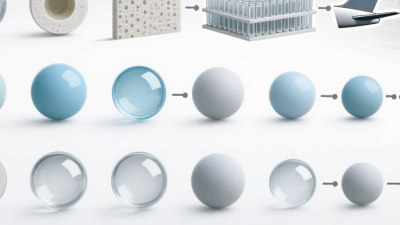
Glass microspheres are basically engineered particles used in lightweight composites, coatings, syntactic foams, insulation, and specialty medical products. Their real value comes from controlled diameter, low density, smooth surfaces, and consistent chemical performance. And on a production line, those details aren't nitpicks—they matter. A small change in wall thickness can affect buoyancy, compressive strength, or coating coverage. Market research still points to steady demand, though the estimates don't all agree. Grand View Research calls out lightweight materials and advanced composites as major growth drivers. MarketsandMarkets also reports rising interest in hollow glass microspheres for automotive, aerospace, construction, and energy applications. But these reports use different product definitions and regional boundaries. So their figures should guide your research, not replace supplier verification. This overview looks at ten global suppliers, including 3M, Potters Industries, Trelleborg, Matsumoto Yushi-Seiyaku, Mo-Sci, Sigmund Lindner, Sovitec, and Cospheric. When comparing suppliers, it helps to check particle size distribution, true density, crush strength, surface treatment, batch traceability, and technical support. Product samples can reveal differences that brochures tend to hide. Ask for recent test data. Hollow Glass Microspheres Vs Solid Glass Microspheres remains a practical purchasing question. Hollow grades generally reduce weight, while solid grades can provide higher density and different handling behavior. Neither option is universally superior. Application temperature, mixing energy, resin compatibility, and pressure exposure determine suitability. This ranking may also need refinement as capacities, ownership, and regional availability change. That uncertainty deserves attention—not polished assumptions.
Read more »
Isabella By:Isabella - October 13, 2026
10 Best Bentonite Slurry Suppliers for Global Buyers

10 Best Bentonite Slurry Suppliers for Global Buyers

Picking the right Bentonite Slurry supplier? It can affect a project’s safety, speed, and cost in a big way. And for global buyers, a low quote alone doesn’t cut it. You need stable viscosity, consistent swelling performance, clean packaging, and delivery you can actually count on. This guide takes a look at 10 of the best Bentonite Slurry suppliers for global buyers. We’re weighing product quality, technical support, production capacity, export experience, and how well they communicate. We also dig into the practical stuff: lab testing, batch traceability, moisture protection, and how quickly they respond once an order is placed. Small details matter. Really. A damaged bag can soak up moisture before it ever reaches the mixing tank. A grade that’s inconsistent can increase fluid loss during drilling. These might sound like minor issues, but they can delay diaphragm walls, bored piles, slurry trenches, and tunnel works. So before deciding, buyers should ask for technical data sheets, safety information, test reports, and clear guidance on how to use the product. Geotechnical expert Professor Jean-Louis Briaud once said, “The most expensive soil problem is the one that was not anticipated.” That idea applies here, too. Don’t just take a supplier’s claims at face value. Check them against your project conditions, water chemistry, mixing equipment, and the performance you actually need. A supplier that shines in one region might not be the right fit for another site. This list is helpful, sure—but it’s not the final word. Product performance can shift from batch to batch, and delivery promises can run into port issues, weather, or paperwork delays. So buyers should verify current certifications, production capacity, and references on their own. That extra step can feel slow. But more often than not, it saves you from much bigger losses. The companies here bring different strengths to the table—technical know-how, international logistics, customization, market experience, and so on. In the end, the right choice should match your project, not just the supplier’s reputation.
Read more »
Alexander By:Alexander - October 11, 2026
10 Best Talc Powder Manufacturers for Global Buyers

10 Best Talc Powder Manufacturers for Global Buyers

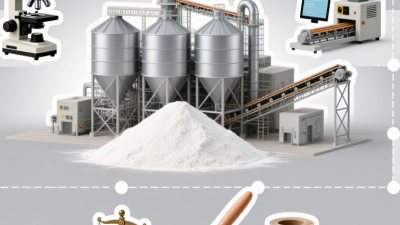
Picking a reliable Talc Powder Manufacturer? It takes more than comparing prices or scrolling through polished websites. If you're buying globally, what really matters is consistent mineral quality, documented testing, stable supply, and clear communication. According to the USGS Mineral Commodity Summaries 2024, global talc mine production was estimated at about 7.3 million metric tons in 2023. That number says a lot—demand is strong across plastics, ceramics, coatings, cosmetics, paper, and other industrial uses. This guide walks international buyers through 10 leading talc powder manufacturers. We look at production capability, product consistency, export experience, technical support, and quality systems. Plenty of qualified suppliers can provide particle-size data, whiteness values, moisture results, and certificates of analysis. But buyers should also ask for safety data sheets and independent asbestos testing—especially for cosmetics and pharma. Compliance really matters. Market rankings? They can shift fast. A supplier that looks great today might run into logistics or capacity problems tomorrow. That's the uncomfortable reality. Grand View Research still points to construction, plastics, and personal care as key demand areas for talc-based materials. That said, market reports often use different definitions and forecasting methods, so their numbers should support your decisions—not replace due diligence. The comparison also includes related mineral suppliers. A Mica Powder Manufacturer might serve similar industrial buyers, but mica and talc perform differently. Match mineral properties to your processing conditions and end-use requirements. Factory audits, sample trials, traceable documentation, and payment-term reviews are still practical safeguards. The best manufacturer isn't always the biggest. It's the one that can prove dependable quality, responsible operations, and repeatable delivery.
Read more »
Benjamin By:Benjamin - October 7, 2026
How to Choose Industrial Talc Powder for Your Business?

How to Choose Industrial Talc Powder for Your Business?

Picking the right Industrial Talc Powder isn’t just about grabbing the whitest sample or going for the lowest price. I mean, performance really depends on things like mineral purity, particle size, lamellarity, moisture content, whiteness, and how stable the processing is. What works great in polypropylene might totally fail when you’re using it in ceramic glazes or architectural paints—so, it's not a one-size-fits-all kinda deal. According to the U.S. Geological Survey’s Mineral Commodity Summaries, talc is pretty important across various industries—stuff like plastics, ceramics, paint, paper, and roofing. Each of these needs different technical specs. Plus, Grand View Research keeps telling us demand for talc in plastics and automotive parts is still on the rise, though market estimates can differ depending on how they crunch the numbers. That’s something worth paying attention to. Peter A. Ciullo, who wrote the book "Industrial Minerals and Their Uses," hits the nail on the head when he says, “An industrial mineral gets its value from how it performs in the final product.” So, don’t just take it for granted—test it yourself. Ask for a current certificate of analysis. You’ll want to check things like magnesium silicate content, loss on ignition, residue, bulk density, and particle-size distribution. And if asbestos testing is required, make sure it’s done through an accredited lab. Don't just rely on the brochure—touch the powder, get a feel for its flow, look at how it’s packaged. Compare different batches under the same conditions. Honestly, jumping straight to the price can be risky; a low quote might hide extra costs later on. A legit supplier should be transparent about where their ore comes from, how they process it, how often they do quality checks, and their traceability methods. Independent verification is a big deal, especially if this talc will be used in regulated products or exported. Usually, the cheapest grade isn’t the best choice. It's about finding that grade which offers consistent performance, proven safety, and a manageable overall cost—that’s what really matters.
Read more »
Benjamin By:Benjamin - October 2, 2026
7 Best Mica Powder Suppliers for Global Buyers

7 Best Mica Powder Suppliers for Global Buyers

Picking the top 7 mica powder suppliers from around the world isn’t just about comparing prices—there’s a lot more to it. Buyers really need consistent particle sizes, reliable color, clear technical data, and samples that accurately match their production batches. The USGS Mineral Commodity Summaries keeps tabs on mica production and trade, and they also highlight how mica is used in things like paints, plastics, building materials, and other industries. Different applications need different qualities—like a pearlescent finish might require super fine, uniform particles, while a coating line needs predictable dispersibility and heat resistance. When it comes to mica powder for powder coating, even tiny differences can show up as uneven shine, settling, or visible specks on the final product. So, it’s smart to ask suppliers for detailed info on particle size, mineral makeup, compatibility with your coatings, and batch traceability. And don’t just rely on specs—test samples on your own equipment if you can. A fancy specification sheet looks good, but it’s no substitute for actual production testing. Small details really can make a big difference. When it comes to quoting a specific expert opinion, always check for a credible source—no such source was provided here. Instead of making something up, this guide leans on proven industry references and practical criteria for sourcing. Also, be cautious with claims like “high purity”—without knowing the testing method or grade, that’s pretty meaningless. The list of suppliers I’ve put together is meant to help global buyers compare their technical support, product consistency, and export capabilities—not just go by the catalog descriptions. Some details might still need a direct check, and that’s part of responsible sourcing—nothing fancy, just smart buying.
Read more »
Isabella By:Isabella - September 28, 2026
Top Tourmaline Powder Suppliers for Global Buyers

Top Tourmaline Powder Suppliers for Global Buyers

When global buyers are looking at a Tourmaline Powder supplier, they need more than just a shiny, polished catalog — they really want to hear the full story. Things like traceability of the raw materials, consistent specs, and clear communication across different countries matter a lot. Because, honestly? Tourmaline Powder can vary quite a bit—think in terms of color, mineral makeup, particle size, moisture content, and how it’s processed. All these factors can make a difference whether you're using it in ceramics, coatings, plastics, filtration, or research. Dr. George R. Rossman, a mineralogist famous for his work on tourmaline, once called it “a very chemically complex mineral.” That complexity isn’t just fluff—it really counts. So, a good supplier should be able to share details about where the ore comes from, how it’s refined, the mesh size, chemical makeup, and any testing records they have. Things like Certificates of Analysis, X-ray diffraction reports, and particle-size distribution data help buyers compare products more fairly, instead of just guessing. Plus, packaging details matter — moisture-proof bags, batch labels, sealed liners — they all help prevent headaches during long shipments. This guide walks you through some of the top Tourmaline Powder suppliers out there, especially if you're shopping globally. We look at how much they produce, how tight their quality control is, whether they offer customization, their experience with exporting, and how fast they respond to inquiries. Some suppliers might have impressive technical data but fall short on follow-up. Others might reply quick but only have limited batch info. Neither is perfect — so, it’s smart to ask specific questions and request samples before you commit to big orders. Sometimes, a sample might look great in a bright factory setting, but perform differently once in production. That’s a bit nerve-wracking, but it’s something worth paying attention to. In the end, reliable sourcing isn’t about chasing the cheapest Tourmaline Powder — it’s about making sure what you get really matches the specs, documents, and service promise that the supplier claims."
Read more »
Benjamin By:Benjamin - September 24, 2026
China Top 10 Mica Dye Powder Manufacturers?

China Top 10 Mica Dye Powder Manufacturers?

China's mica colorant industry has really been on the rise lately, mainly because of bigger demands from cosmetics, coatings, plastics, and even craft projects. In this guide, I’ve pulled together info on ten companies based in China that are connected with Mica Dye Powder and related pearlescent pigments. We’ll look at each one’s actual production capabilities, whether their products are consistent, the kind of technical support they offer, and how ready they are for export. Some market numbers give us a bit of context. According to Grand View Research, the global mica market was valued at around USD 7.3 billion in 2023, and it's expected to keep growing through to 2030. This growth is driven by sectors like cosmetics, electronics, and construction. MarketsandMarkets points out that pearlescent pigments are becoming a hot spot in specialty pigments, especially because of the demand for premium packaging and high-end personal care products. Just a heads up, though — these stats don't specifically measure Mica Dye Powder. Different reports might define products a bit differently, so that’s something to keep in mind. Why does that matter? Well, a trustworthy manufacturer should have things like technical data sheets, Safety Data Sheets, batch records, and heavy-metal test results ready to share. If you’re using these pigments in cosmetics, you might also need detailed ingredient info, microbiological testing, and compliance with certain market standards. Having ISO 22716 certification? That’s a good sign that they follow strong cosmetic manufacturing practices, but just because they have the certification doesn’t automatically mean their products are top quality. When comparing suppliers, it’s important to look at things like how strong the color is, particle size, how well it disperses, surface treatments, packaging options, minimum order sizes, and how quickly they can send samples. Checking out factory audits and lab tests is also super useful. Just a pretty website isn’t enough — some suppliers might look great online but struggle to produce consistent shades when they scale up. That’s a detail you don’t want to overlook. In this overview, I’ve considered what I could find about these companies, including factory info, certifications, customer feedback, and their technical communication. So, these rankings are more practical than absolute. Just a quick note — always double-check the current specs before placing an order, especially if you’re planning to use Mica Dye Powder in products that will come in contact with skin or need to meet strict regulations.
Read more »
Benjamin By:Benjamin - September 20, 2026
China Top Epoxy Resin Mica Powder Manufacturer?

China Top Epoxy Resin Mica Powder Manufacturer?

Picking the right top China manufacturer for epoxy resin mica powder isn’t just about comparing prices. Sure, cost matters, but there’s more to it. You want stable, true-to-color results, clean and consistent particle sizes, and reliable technical support to back you up. This powder is pretty versatile—it can give countertops, coatings, jewelry, floors, and decorative panels that gorgeous pearly sheen. But keep in mind, its performance really depends on factors like mica purity, surface treatments, how well it mixes with resin, and how you control dispersion. Industry reports definitely show that demand for epoxy-based materials keeps climbing. For example, Grand View Research points out that the global epoxy resin market is booming, pushed by sectors like construction, electronics, transportation, and protective coatings. Likewise, MarketsandMarkets highlights the growing need for specialty fillers and functional additives in high-performance resin systems. That said, these reports are helpful for getting a sense of trends, but they don’t replace the importance of testing the products yourself. Every application is a little different, so what works well in one project might not in another. A good manufacturer should be transparent—providing clear technical data sheets, traceability of batches, samples for approval, and practical tips for mixing. You should be able to get details on particle size, moisture level, heat resistance, chemical stability, and suggested loading rates. And it’s really useful if they can explain whether the mica is natural or synthetic, coated or blended. Little things like that can make a big difference—like, if the dispersion isn’t great, you might end up with visible streaks on a glossy tabletop, which nobody wants. Most China-based suppliers are pretty flexible when it comes to packaging, color options, and export experience. But honestly, just because they’re big doesn’t mean they’re perfect. Even the most experienced factory might have to tweak formulas when switching resins, curing agents, or surface finishes. That’s why honest communication is so valuable—building a strong partnership means combining lab results, manufacturing know-how, and honest feedback from the buyer. That’s how you find a dependable top China manufacturer for epoxy resin mica powder that truly meets your needs.
Read more »
Benjamin By:Benjamin - September 16, 2026
China Top 10 Vermiculite Plaster Manufacturers?

China Top 10 Vermiculite Plaster Manufacturers?

Choosing the right Vermiculite Plaster manufacturer isn't just about comparing prices, you know? There's a lot more to it. In this guide, we'll take a look at some of China's top suppliers and share practical, verifiable tips to help you make a smarter choice. We’ll consider things like how much experience they have in production, the quality of their technical docs, their quality control standards, and how reliable they are when it comes to exporting. A good manufacturer should be able to explain details like raw material grades, mixing ratios, density ranges, and recommended application thickness—stuff you really want to know before buying. Honestly, the devil's in the details. A plaster that looks super smooth on a sample board might not perform the same on a huge wall. So, it’s important to check factory test reports, batch records, certifications, and even get references from past projects. Don’t hesitate to ask about how it sticks, insulates, resists fire, dries, and handles moisture. Clear, straightforward answers are everything. This guide on “Top 10 Vermiculite Plaster Manufacturers in China” is mainly aimed at contractors, distributors, architects, and industrial buyers. It’s all about finding manufacturers with steady production capacity, quick technical support, and solid experience working with international clients. And let’s not forget packaging! Durable, moisture-resistant bags are key to keeping the powder safe during long shipments. Now, keep in mind, no ranking is entirely perfect. Public info can often be incomplete or outdated. Some companies might boast great specs but have limited real-world project proof, while others might have excellent facilities but poor communication, especially with overseas clients. That’s why it’s so important to do your due diligence. Ask for current samples and verify their testing methods before ordering in bulk. Visiting the factory, watching videos, or even independent lab tests can give you a much clearer picture. Sometimes, it’s the small details that reveal more than glossy brochures. Ultimately, your choice should match your project’s substrate, climate conditions, fire safety needs, and installation method. This guide is here to help you compare intelligently—no blind leaps, just informed decisions.
Read more »
Alexander By:Alexander - September 14, 2026
2026 Best Fireproof Vermiculite for Global Buyers

2026 Best Fireproof Vermiculite for Global Buyers

Lately, more and more buyers around the world are paying attention to fireproof vermiculite. That’s because industries like construction, steel, agriculture, and insulation are all on the lookout for lighter mineral options. According to Grand View Research, the global vermiculite market keeps growing—mainly driven by its use in thermal insulation and fire-resistant products. MarketsandMarkets also points out that construction and industrial insulation will continue to be key demand areas going forward. Sounds promising, right? But here’s the thing, picking the right product isn’t as straightforward as it seems. The U.S. Geological Survey’s Mineral Commodity Summaries 2024 confirms that vermiculite is still an important mineral for industry. Its expanded structure gives it a low weight, good thermal stability, and decent sound absorption. Robert L. Virta, a former mineral specialist at the USGS, once described vermiculite as a mineral prized for its "lightweight, insulation properties, and fire resistance." That still holds true today when making purchasing decisions. That said, if you see something labeled as “fireproof,” don’t automatically assume it’s guaranteed to perform perfectly. Actual performance really depends on all sorts of factors—like the quality of the ore, the temperature used to exfoliate it, particle size, moisture content, the chemistry of the binder, and how it’s installed. A loosely packed, golden-brown granule may behave quite differently compared to a molded panel or a sprayed coating. So, buyers, it’s worth asking for detailed tech data sheets, safety info, batch test results, and independent fire test reports. Tests like ASTM E84, ASTM E136, or EN 13501-1 might be relevant, depending on exactly what you need. Bottom line: certifications and proper testing really do matter. This guide takes a look at some of the top fireproof vermiculite options out there—focusing on things like thermal performance, purity, packaging, consistent supply, and environmentally responsible sourcing. Of course, it’s not always perfect because different suppliers report their test results under different conditions—that’s something to watch out for. The lowest price isn’t always the best deal either; it might hide higher moisture levels, inconsistent expansion, or shipping costs that add up. A wise buyer will dig into the details before placing an order and making sure everything’s crystal clear.
Read more »
Isabella By:Isabella - September 11, 2026
How to Choose Fireproof Vermiculite for Global Sourcing?

How to Choose Fireproof Vermiculite for Global Sourcing?

When you're sourcing Fireproof Vermiculite from around the globe, it's really more than just comparing prices. You gotta dig into details like where the mineral actually comes from, its expansion grade, particle size, moisture levels, bulk density, and how well it handles heat. All these little things actually influence how the material performs in things like furnace linings, fireproof boards, insulation panels, or even high-temp packaging. A seasoned sourcing team will ask for recent lab tests, safety data sheets, samples, and records from previous batches — all of that helps build trust. And don’t forget, independent testing is a big plus! It can verify stuff like thermal conductivity, max service temperature, chemical stability, and how much weight is lost on ignition. Checking out the supplier’s warehouse and packaging — like if it’s clean, sealed, and properly labeled — often tells you more than slick sales talk. Those small details really do count. Now, don’t just assume that Fireproof Vermiculite is automatically good for every application. Its performance depends on a bunch of factors—like the grade, binder, thickness, how you install it, and the conditions it’ll face. It’s smart to double-check the technical standards and import rules with knowledgeable folks in each market you’re shipping to. We’ve seen specs change after testing, so staying alert to that possibility is wise. For example, a lower-density grade might save you on shipping, but could be trickier to handle. Or a quote with a higher price might suggest stricter quality control, but that alone doesn’t guarantee it'll perform better. In the end, good global sourcing comes down to solid evidence, clear traceability, and honest reviews. It’s about comparing suppliers using the same technical standards, inspecting packaging before it ships, and keeping track of all approvals. Taking this approach will help you pick the right Fireproof Vermiculite more confidently, without blindly trusting initial impressions or assumptions that seemed reasonable at first glance.
Read more »
Benjamin By:Benjamin - September 9, 2026
Muscovite Mica vs. Sericite: Key Differences, Properties and Industrial Applications

Muscovite Mica vs. Sericite: Key Differences, Properties and Industrial Applications

Introduction Muscovite mica and sericite are closely related mica-group mineral materials widely used as functional mineral fillers in coatings, plastics, rubber, ceramics, refractories and other industrial applications. Because both materials are based largely on mica-type layered silicate structures, they can provide similar advantages such as chemical stability, heat resistance, low moisture absorption and good barrier characteristics.However, muscovite mica and sericite are not simply interchangeable products. Their mineral morphology, particle size, degree of crystallinity, aspect ratio, processing characteristics and typical end-use requirements can be different. Understanding these differences is important when selecting a mica powder for a specific formulation or manufacturing process. What Is White Mica? Muscovite mica is a light-colored mica mineral and one of the most important commercial mica types. Muscovite has a layered crystal structure and excellent basal cleavage, allowing it to be processed into thin, plate-like particles.The plate-like morphology is one of the most valuable characteristics of muscovite mica. When dispersed in a coating, polymer or rubber matrix, mica particles can create a more tortuous pathway for moisture, gases and other substances. This structure can contribute to improved barrier performance, dimensional stability and durability.Muscovite mica is also valued for its electrical insulation, thermal resistance, chemical stability and weathering resistance. Depending on purity, particle size and processing grade, it can be supplied for applications ranging from general mineral filler systems to specialized industrial formulations. What Is Sericite? Sericite is a fine-grained, silky-luster mica material generally associated with very fine muscovite mica, particularly fine-grained muscovite. In commercial mineral terminology, sericite often describes a fine mineral aggregate rather than a completely separate mica species.Its very fine particle size and silky texture make sericite attractive for applications where smoothness, dispersion, suspension and fine filler performance are important. Sericite powders are commonly used in coatings, paints, inks, plastics, rubber, ceramics and other formulated products.The exact properties of a sericite product depend strongly on its mineral composition, particle-size distribution, degree of refinement and impurity level. Therefore, buyers should evaluate technical specifications rather than selecting a material based only on the product name. White Mica vs. Sericite: Key Differences The most practical distinction is that muscovite mica is commonly selected for its pronounced plate-like structure and functional reinforcement, while sericite is often selected for its fine particle size, smooth texture and dispersion characteristics.Muscovite mica typically offers a more obvious mica platelet morphology and can be advantageous when barrier, reinforcement, dimensional stability or electrical insulation is important. Sericite, because of its fine-grained nature, can be advantageous when a formulation requires fine filling, good suspension or a smoother surface effect.These are general tendencies rather than absolute rules. High-quality sericite may also provide useful platelet characteristics, while finely processed muscovite mica can be used in fine-powder applications. The final choice should therefore be based on the target formulation and measurable technical data. Comparison of Typical Characteristics Particle size: Muscovite mica is available in a broad range of particle sizes, including relatively coarse and platelet-rich grades. Sericite is generally associated with finer particles and a finer mineral texture.Morphology: Muscovite mica commonly exhibits distinct plate-like particles. Sericite is characterized by very fine mica particles occurring in aggregates or fine-grained structures.Surface effect: Muscovite mica can provide a pronounced platelet and barrier effect. Sericite is often preferred where smoothness and fine filler characteristics are important.Thermal and chemical performance: Both materials can offer good thermal resistance and chemical stability, although performance depends on mineral purity and grade.Electrical insulation: High-quality muscovite-rich muscovite mica is widely recognized for its excellent electrical insulating properties.Dispersion and suspension: Fine sericite powders can provide favorable dispersion and suspension characteristics in appropriately designed formulations. Applications in Coatings and Paints Mica is widely used in industrial coatings because of its plate-like structure and resistance to heat and chemicals. Muscovite mica can help improve coating durability and barrier performance by increasing the effective diffusion path through the coating film.Sericite is particularly useful when a coating formulation requires fine mineral filling, smooth texture and good dispersion. It can be incorporated into architectural coatings, industrial coatings, primers, protective coatings and other systems.For coating manufacturers, important selection parameters include particle size distribution, whiteness, chemical composition, oil absorption, moisture content and compatibility with the binder system. Applications in Plastics and Rubber In plastics and rubber, mica can function as a mineral filler and functional reinforcing component. Plate-like muscovite mica can contribute to dimensional stability, reduced shrinkage and improved resistance to heat or environmental exposure in suitable polymer systems.Fine sericite can be useful where a formulation requires a fine mineral filler with good distribution throughout the matrix. Its performance depends on particle size, surface characteristics, loading level and compatibility with the polymer.For engineering applications, buyers should consider not only chemical composition but also aspect ratio, particle-size distribution and surface treatment when applicable. How to Choose the Right Mica Powder Selecting between muscovite mica and sericite should begin with the end-use requirements rather than the product name. Key technical parameters include particle size (D50/D90), aspect ratio, platelet size, whiteness, SiO₂, Al₂O₃ and K₂O content, Fe₂O₃ level, moisture, residue on sieve and mineral purity.For applications that prioritize platelet structure, barrier performance, dimensional stability or electrical insulation, a high-quality muscovite-rich muscovite mica may be a strong candidate. For applications that prioritize fine particle size, smoothness, dispersion or suspension, a suitable sericite grade may be more appropriate.A reliable mineral supplier should be able to provide a technical data sheet, representative chemical analysis and particle-size information for each grade so that customers can evaluate the material against their formulation requirements. Conclusion Muscovite mica and sericite are closely related mica-based mineral materials, but their different particle characteristics and processing profiles can make them better suited to different industrial applications. In simple terms, muscovite mica is often associated with distinct platelet structure, insulation, heat resistance and barrier performance, while sericite is commonly associated with fine particle size, smoothness, dispersion and fine filling.For industrial users, the best choice is determined by measurable properties rather than terminology alone. By comparing particle size, morphology, chemical composition, whiteness, moisture, purity and application-specific performance, manufacturers can select the mica grade that delivers the best balance of functionality and cost.
Read more »

Alexander By:Alexander - September 8, 2026
What Is the Best Calcined Mica Powder from China?

What Is the Best Calcined Mica Powder from China?

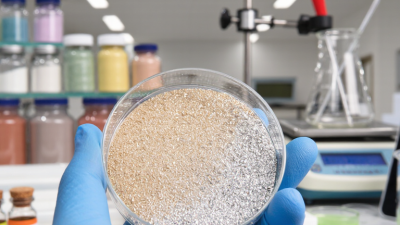
Picking out the best Calcined Mica Powder from China isn’t just about comparing prices or eyeballing some bright white samples. There’s actually a lot more to it. When you calcine mica, it changes things like moisture content, surface activity, and how it handles heat — all those little differences that matter when you're working with coatings, plastics, rubber, welding materials, or electrical insulation. According to the U.S. Geological Survey’s Mineral Commodity Summaries 2024, mica isn’t just some niche mineral. It’s used pretty widely in construction, plastics, paints, and all kinds of technical products. The report also highlights that the quality of the mica supply really depends on how it’s processed and the regional production standards. Market research from companies like Grand View Research and IMARC Group shows that there’s still strong demand for mica fillers — especially in coatings, polymers, and high-tech manufacturing. But here’s the thing: those reports mostly talk about mica in general terms. They don’t really dig into how Chinese calcined grades compare or rank against each other. And that’s a pretty important point. Dr. S. K. Haldar, a well-respected expert in mineral exploration and processing, emphasizes that when it comes to mineral quality, you can’t just judge by looks. You need to look at actual, measurable properties. This idea guides how we compare different suppliers. A trustworthy one should give you detailed info like particle size, loss on ignition, moisture levels, whiteness, iron content, pH, and thermal stability. Getting these tested by an independent lab? Even better. While ISO 9001 certification is helpful, it doesn’t really replace thorough product testing. Let’s be honest — no supplier is perfect. Some datasheets might look impressive but leave out details about batch-to-batch variation. Others might offer rock-bottom prices but support is pretty weak. So, when choosing the best calcined mica powder from China, look for stuff like stable chemical makeup, controlled particle sizes, transparent production processes, consistent packaging, and performance tailored to your specific needs. Our main focus is on these real-world, practical details. And here’s a truth that’s a bit uncomfortable but important: lab test results alone can’t fully predict how a batch will perform on the factory floor. In the end, it’s all about balancing the data with real-world experience.
Read more »
Benjamin By:Benjamin - September 7, 2026
Top Uses of Bentonite Clay for Global Buyers?

Top Uses of Bentonite Clay for Global Buyers?

You might have heard of Bentonite Clay—it's gaining quite a buzz across different industries lately. According to a report from Market Research Future, the global market for bentonite is projected to hit around $1.5 billion by 2027, growing at an annual rate of about 5.6%. That’s pretty impressive, right? A lot of that growth is thanks to its use in construction, drilling, and even environmental projects. For example, in oil drilling, Bentonite Clay plays a key role in making the drilling fluids work more smoothly and, honestly, helps keep costs down. What’s cool about Bentonite Clay is how naturally absorbent it is. It's a popular ingredient in personal care stuff like facial masks and deodorants. The folks over at the Cosmetic Ingredient Review have noted that it actually helps keep these products stable and effective. But, here’s the thing — sourcing good quality bentonite isn’t always straightforward. Sometimes, mineral content can vary, which can impact how well it performs. That’s why companies really need to focus on quality checks. Getting a good handle on the different ways Bentonite Clay is used can really help everyone involved—manufacturers, buyers, and even consumers. Working with trustworthy suppliers is super important. Partnering with reputable companies means you’re more likely to get top-notch bentonite, which translates to better products overall. As the market grows and evolves, ongoing research and new innovations are bound to shape how this industry develops in the future. It’s an exciting space to keep an eye on!
Read more »
Benjamin By:Benjamin - September 3, 2026