Leave Your Message

Tourmaline Balls from China: Quality Supplier & Factory for Water Treatment and Mineral Applications

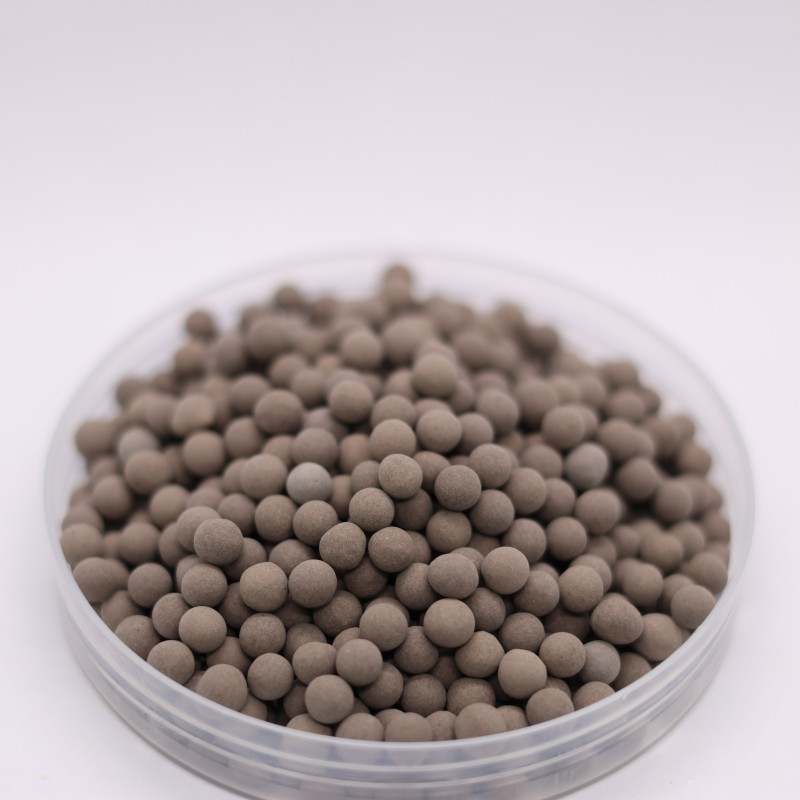
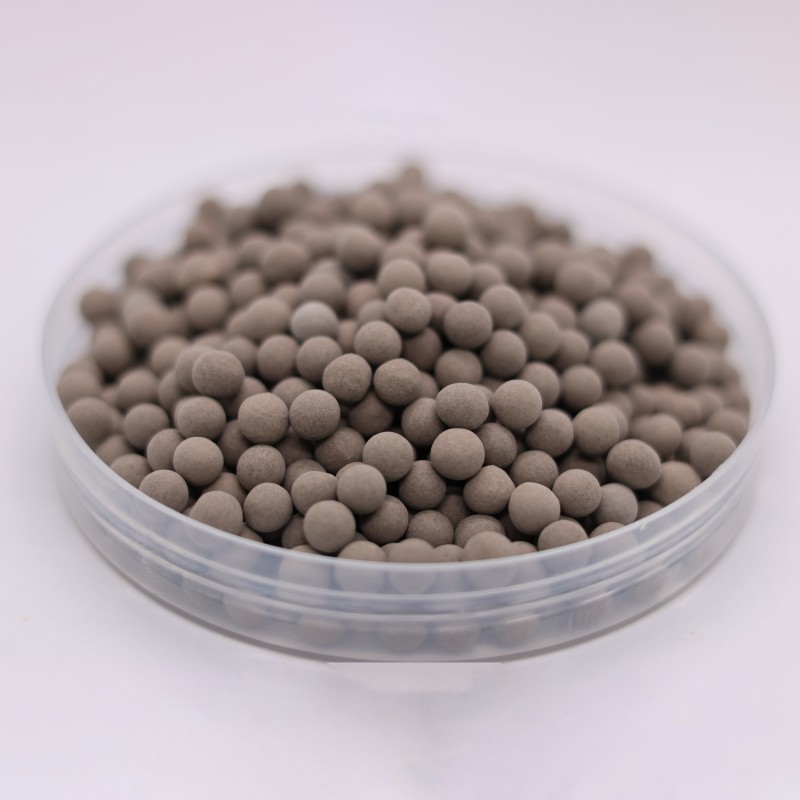
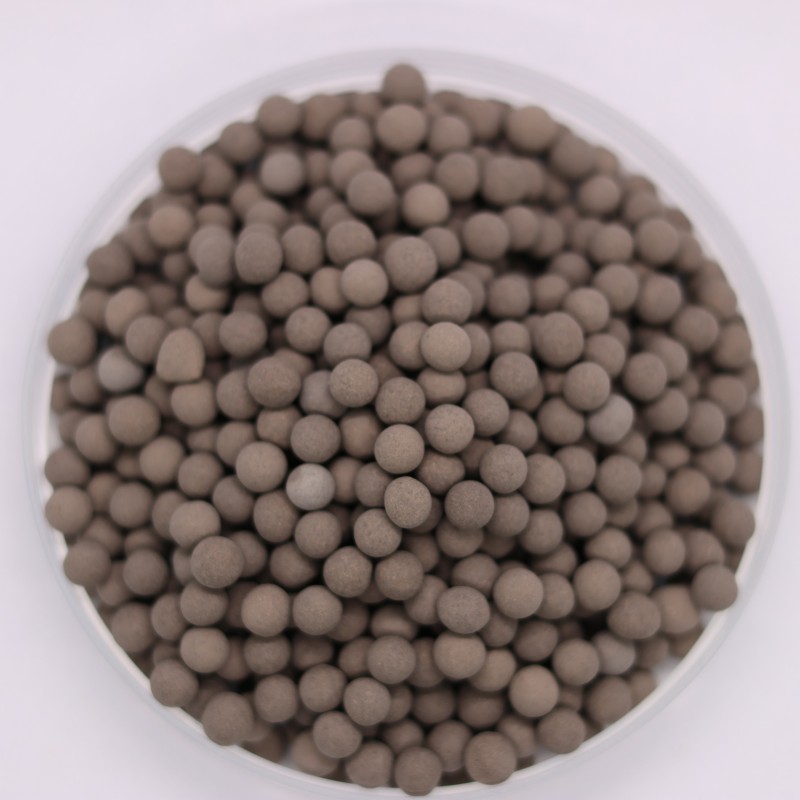
Tourmaline balls are advanced functional mineral ceramic products manufactured by WANCHENG MINERAL, a leading China-based supplier and factory. These innovative balls are created by blending high-quality tourmaline mineral powder with ceramic binders and various mineral materials through an extensive process that includes mixing, granulation, molding, drying, and high-temperature sintering. The result is a robust spherical product that offers excellent mechanical strength and optimal performance in water contact applications, making them ideal for use in filtration cartridges, water treatment systems, mineral packs, and various industrial applications.

As part of the complex borosilicate mineral group, tourmaline contains essential elements such as silicon, aluminum, boron, iron, magnesium, sodium, potassium, calcium, and lithium, depending on the specific mineral variation. Due to its unique mineral structure, tourmaline is highly valued in the production of functional mineral materials, including ceramic balls, water treatment media, far infrared materials, negative ion products, textiles, coatings, and household items. Tourmaline balls effectively transform fine tourmaline powder into a durable granular form, enhancing usability in water flow systems and packed media applications.

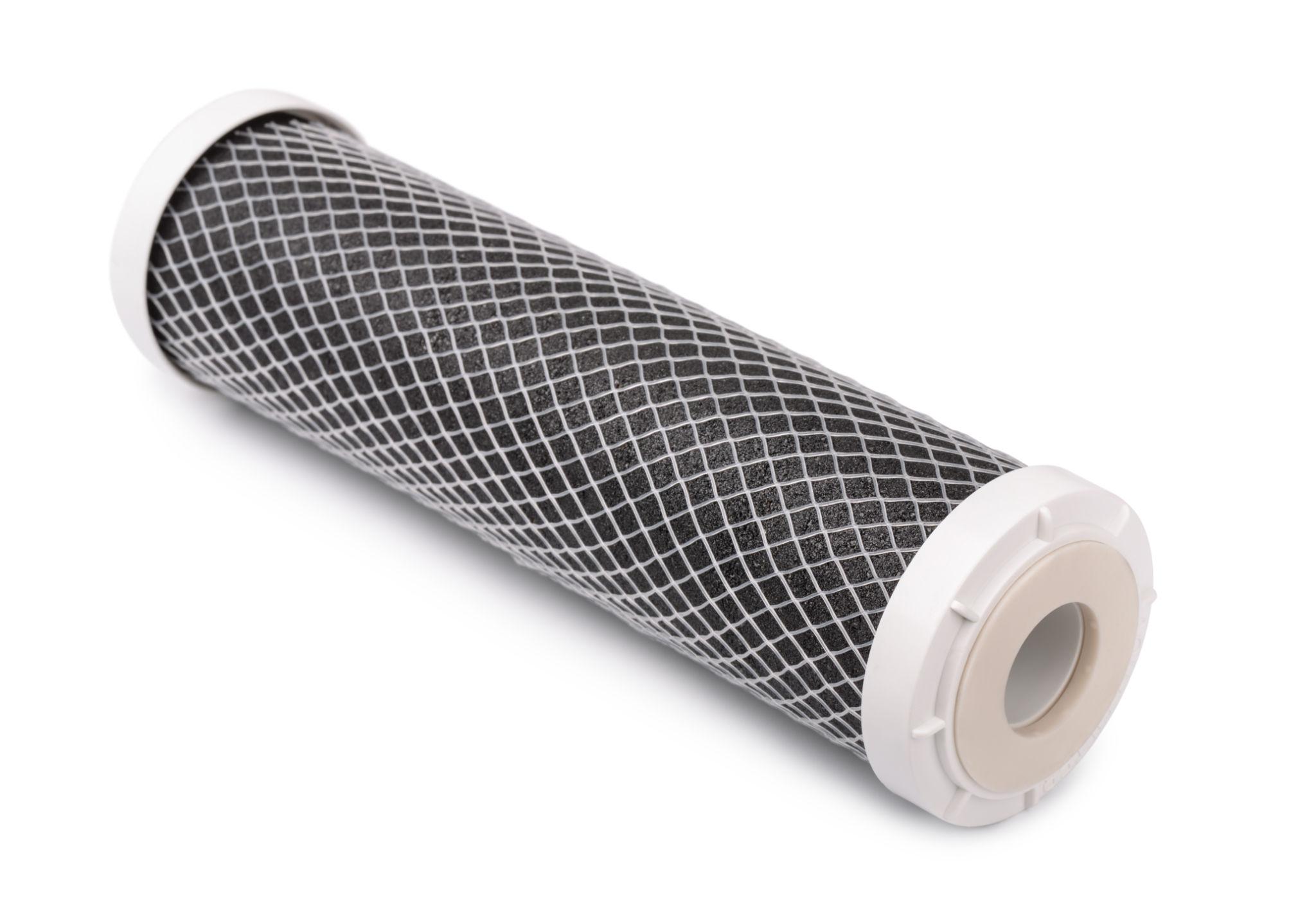
At WANCHENG MINERAL, we offer a diverse range of tourmaline balls tailored to different diameters, colors, formulations, and packaging styles based on customer specifications. These versatile products can be used independently or in conjunction with other mineral ceramic balls, such as far infrared ceramic balls, negative ion balls, alkaline ceramic balls, maifan stone balls, antibacterial ceramic balls, and activated carbon materials. Our tourmaline balls are an optimal choice for clients involved in the production of filter cartridges, shower filters, water pitchers, mineral water systems, aquaculture media, and wellness product accessories.

It is essential to recognize that tourmaline balls serve as industrial and functional mineral materials. Their performance should be assessed according to specific applications, water conditions, contact duration, dosage, equipment design, and testing methodologies. WANCHENG MINERAL is committed to providing sample products for customer evaluation and engaging in discussions for customized formulations tailored to targeted applications.

    This is a paragraph

    This is a paragraph

    This is a paragraph

    Chemical Composition Specifications
    Chemical Component Typical Content Description
    SiO2 35% - 45% Main silicate component
    Al2O3 25% - 35% Main alumina component
    B2O3 5% - 10% Typical tourmaline component
    Fe2O3 2% - 8% Varies by tourmaline type
    MgO 2% - 8% Varies by formula
    Na2O + K2O 1% - 5% Alkali components
    CaO 1% - 6% May come from ceramic binder
    Other Minerals Customized Depends on ceramic formula
    Frequently Asked Questions (FAQ)
    What is the primary chemical component in this ceramic material?
    Silicon Dioxide (SiO2) serves as the primary component, typically accounting for 35% to 45% of the total composition as the main silicate structural base.
    Why is B2O3 present in the formulation?
    Boron Trioxide (B2O3) is a typical characteristic component of tourmaline minerals, generally ranging between 5% and 10% to ensure characteristic performance.
    What causes variations in Fe2O3 and MgO content?
    Both Fe2O3 and MgO generally range from 2% to 8%. Their specific percentages vary according to the tourmaline type and the proprietary ceramic formula used.
    What role does Calcium Oxide (CaO) play?
    Calcium Oxide (CaO) typically constitutes 1% to 6% of the mix, which often originates from the ceramic binder incorporated during the manufacturing process.
    Can the content of "Other Minerals" be customized?
    Yes, the proportion and types of other minerals can be fully customized depending on specific ceramic formula requirements and application targets.
    What is the combined percentage of alkali components (Na2O + K2O)?
    The combined alkali components (Sodium Oxide and Potassium Oxide) generally represent 1% to 5% of the total formulation.

    This is a paragraph

    This is a paragraph

    This is a paragraph

    This is a paragraph

    This is a paragraph

    This is a paragraph

    This is a paragraph

    This is a paragraph

    This is a paragraph

    This is a paragraph

    This is a paragraph

    This is a paragraph

    This is a paragraph

    This is a paragraph

    This is a paragraph

    Application Image Grid Placeholder

    FAQ

    • This is a paragraph

    • This is a paragraph

    • This is a paragraph

    • This is a paragraph

    • This is a paragraph

    • This is a paragraph

    • This is a paragraph

    • This is a paragraph

      This is a paragraph

    This is a paragraph

    This is a paragraph

    This is a paragraph
    This is a paragraph