
This is a paragraph
This is a paragraph

Hot Products
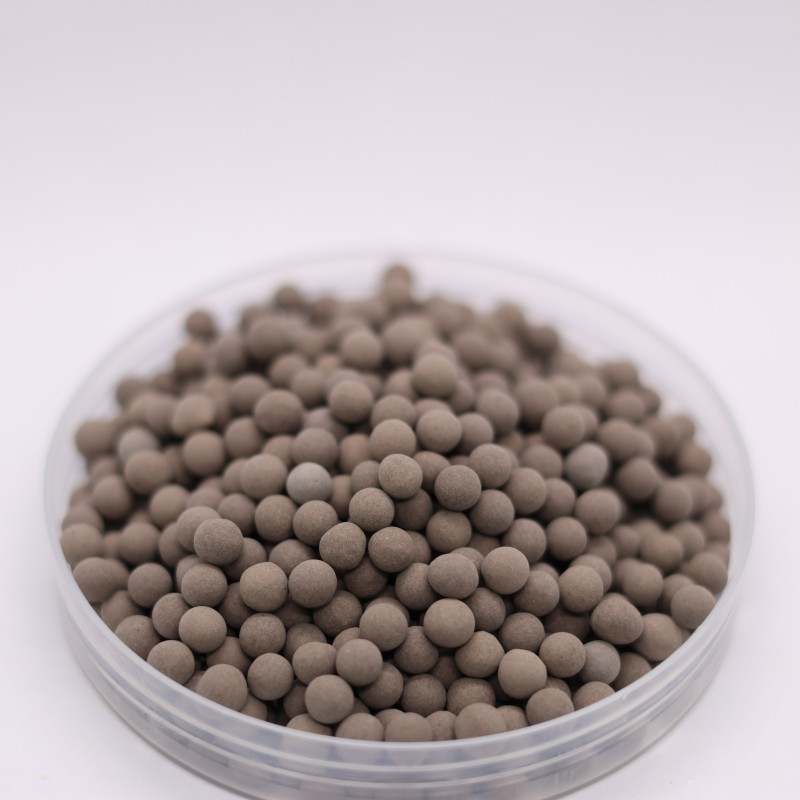
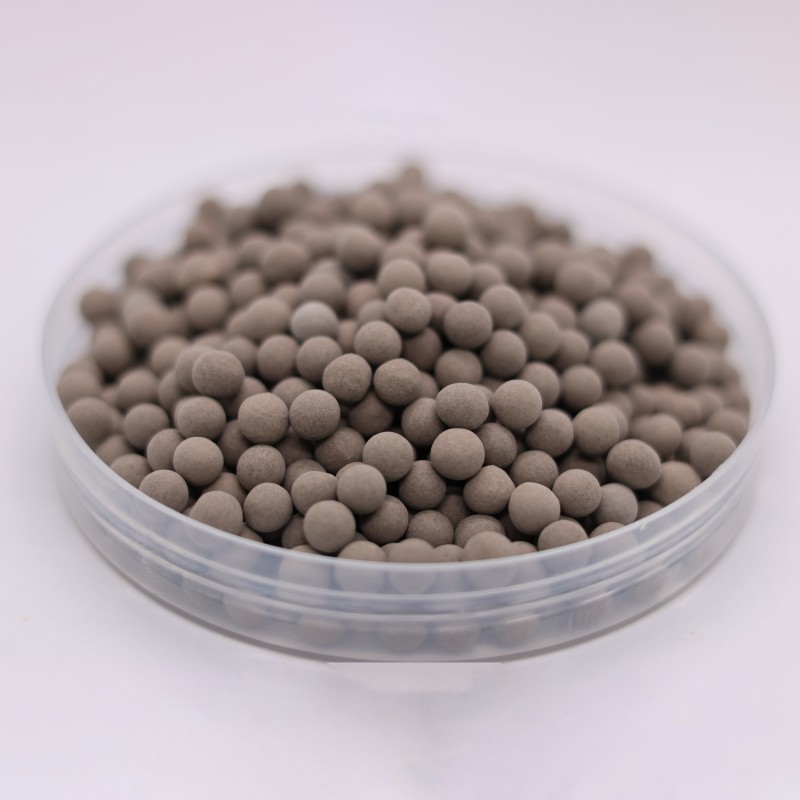
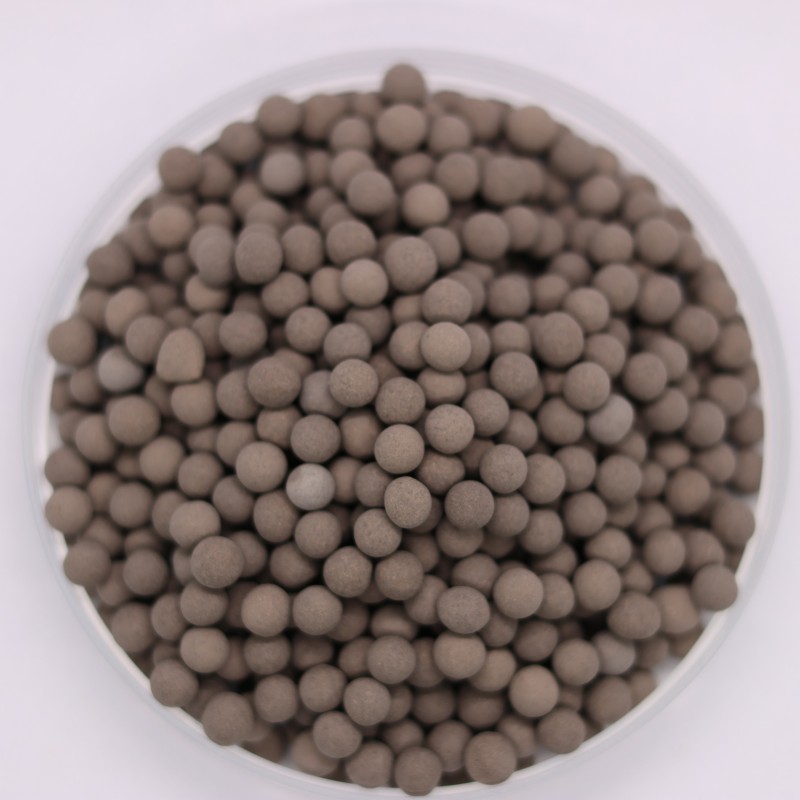
Tourmaline Balls from China: Top Suppliers and Factory for Water Treatment and Functional Minerals
| Chemical Component | Typical Content | Description |
|---|---|---|
| SiO2 | 35% - 45% | Main silicate component |
| Al2O3 | 25% - 35% | Main alumina component |
| B2O3 | 5% - 10% | Typical tourmaline component |
| Fe2O3 | 2% - 8% | Varies by tourmaline type |
| MgO | 2% - 8% | Varies by formula |
| Na2O + K2O | 1% - 5% | Alkali components |
| CaO | 1% - 6% | May come from ceramic binder |
| Other Minerals | Customized | Depends on ceramic formula |
Frequently Asked Questions
What are the primary chemical components in this ceramic formulation?
The formulation primarily consists of Silicon Dioxide (SiO2, 35%-45%) and Aluminum Oxide (Al2O3, 25%-35%), which form the fundamental silicate and alumina ceramic matrix.
Why is Boron Oxide (B2O3) a key indicator of tourmaline?
Boron Oxide (B2O3, 5%-10%) is a characteristic component of the natural tourmaline mineral structure, confirming the presence of genuine tourmaline rather than standard ceramic fillers.
What causes variations in the Iron Oxide (Fe2O3) percentage?
The concentration of Fe2O3 (2%-8%) varies depending on the specific type of natural tourmaline utilized (e.g., Schorl/black tourmaline contains higher iron ratios than other mineral varieties).
Where do Calcium Oxide (CaO) and Alkali components originate?
CaO (1%-6%) and alkali components (Na2O + K2O, 1%-5%) primarily derive from the ceramic binders and sintering fluxes added to achieve structural rigidity and mechanical strength.
Can the chemical formula and extra mineral content be customized?
Yes, other functional mineral contents can be customized depending on specific ceramic ball requirements, such as Far-Infrared emission, negative ion release, or targeted water filtration parameters.
This is a paragraph
This is a paragraph
This is a paragraph
This is a paragraph
This is a paragraph
This is a paragraph
This is a paragraph
This is a paragraph
This is a paragraph
This is a paragraph
This is a paragraph
-
This is a paragraph
-
This is a paragraph
-
This is a paragraph
-
This is a paragraph
-
This is a paragraph
-
This is a paragraph
-
This is a paragraph
-
This is a paragraph
This is a paragraph