
This is a paragraph
This is a paragraph

Hot Products
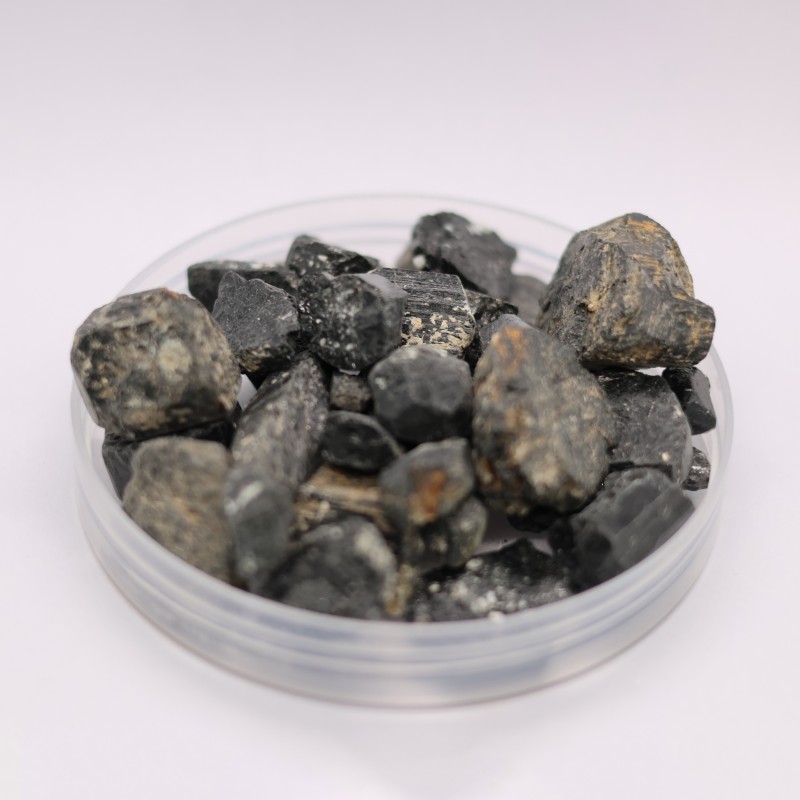
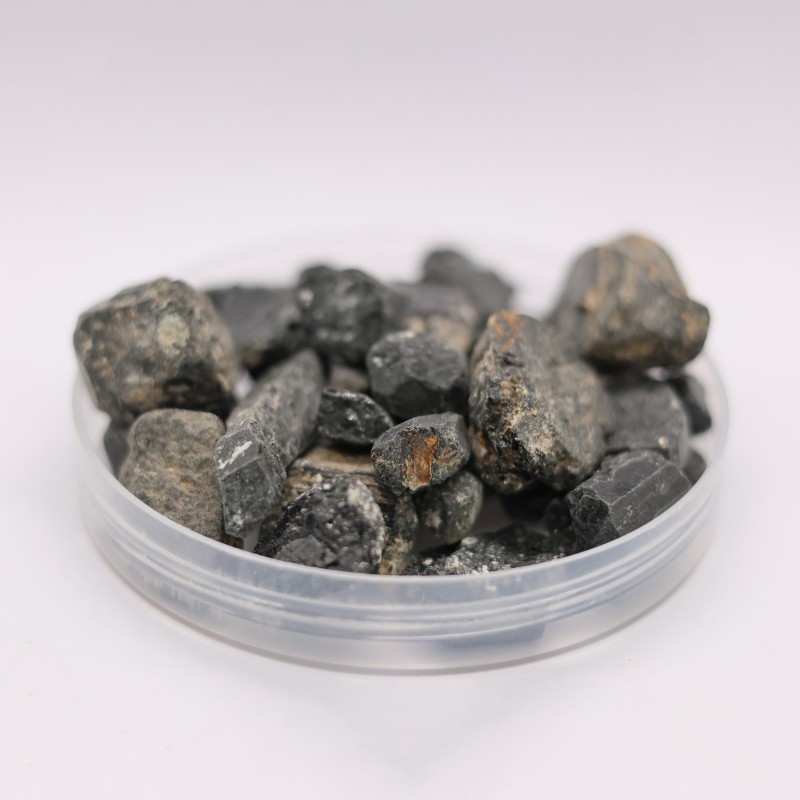
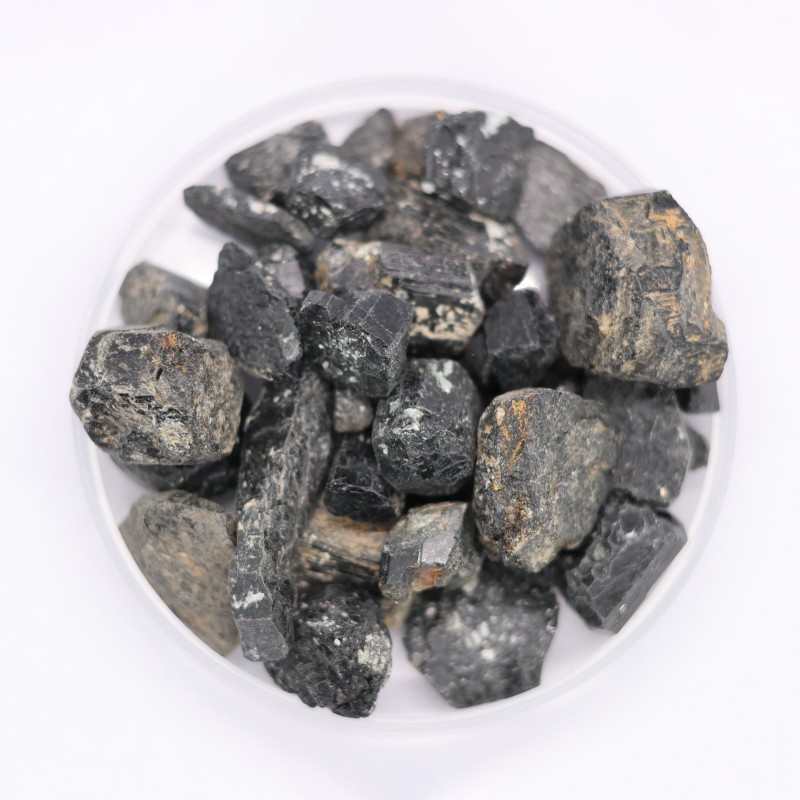
Tourmaline Lumps from China - Quality Suppliers & Factory Offering Diverse Sizes and Grades for Various Applications
| Chemical Component | Typical Content | Description |
|---|---|---|
| SiO2 | 30% - 45% | Main silicate component |
| Al2O3 | 25% - 38% | Main alumina component |
| B2O3 | 7% - 11% | Typical tourmaline component |
| Fe2O3 | 3% - 15% | Varies by color and type |
| MgO | 1% - 10% | Varies by mineral source |
| Na2O + K2O | 1% - 5% | Alkali components |
| CaO | 0.5% - 4% | Minor component |
| Li2O | Trace to variable | Depends on tourmaline type |
| TiO2 | Trace | Controlled impurity |
Frequently Asked Questions (FAQ)
Q:
What are the predominant components in the tourmaline chemical structure?
Silicon Dioxide (SiO2, 30%–45%) and Aluminum Oxide (Al2O3, 25%–38%) represent the primary structural framework of tourmaline minerals.
Q:
Why is Boron Oxide (B2O3) a characteristic element of tourmaline?
Boron Oxide (B2O3, 7%–11%) is the defining constituent that categorizes tourmaline as a cyclosilicate borosilicate mineral group.
Q:
What causes the wide range of colors in tourmaline?
Transition metal oxides such as Iron Oxide (Fe2O3, 3%–15%) and varying levels of Lithium Oxide (Li2O) primarily determine the mineral's color and specific subtype.
Q:
How do alkali components affect tourmaline composition?
Alkali elements such as Sodium and Potassium Oxides (Na2O + K2O, 1%–5%) occupy specific atomic crystallographic sites, balancing the overall mineral matrix.
Q:
Are Titanium Dioxide (TiO2) and Calcium Oxide (CaO) standard components?
Calcium Oxide (CaO) is present as a minor component (0.5%–4%), whereas Titanium Dioxide (TiO2) occurs only in trace amounts as a controlled impurity.
Q:
Does tourmaline's chemical content vary based on the mineral source?
Yes, components like Magnesium Oxide (MgO, 1%–10%) and Lithium Oxide (Li2O) show natural variations depending on geological formation and mineral deposit location.
This is a paragraph
This is a paragraph
This is a paragraph
This is a paragraph
This is a paragraph
This is a paragraph
This is a paragraph
This is a paragraph
This is a paragraph
This is a paragraph
This is a paragraph
-
This is a paragraph
-
This is a paragraph
-
This is a paragraph
-
This is a paragraph
-
This is a paragraph
-
This is a paragraph
-
This is a paragraph
-
This is a paragraph
This is a paragraph