In-Depth Industry Analysis
The Science & Market Evolution of Tourmaline Powder in Modern Construction Materials
A comprehensive technological review on mineralogical mechanics, negative ion release, hydration dynamics, and commercial applications in sustainable dry-mix mortar formulations.
1. Mineralogical Fundamentals & Piezoelectric Chemistry in Building Systems
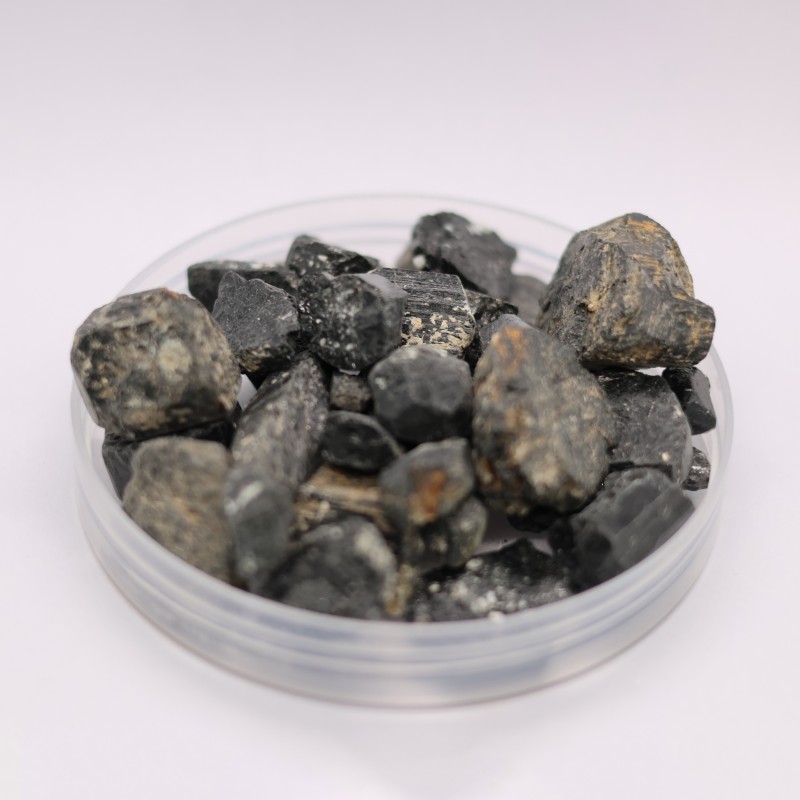
Tourmaline is a complex cyclosilicate mineral with a trigonal crystal system characterized by the general chemical formula XY3Z6(T6O18)(BO3)3V3W. What makes tourmaline powder uniquely valuable to construction chemical formulators is its spontaneous and permanent electrostatic polarization. Unlike standard inert mineral fillers (such as calcium carbonate or standard silica sand), finely milled tourmaline micro-particles act as permanent micro-dipoles. Each particle possesses continuous positive and negative poles that generate an invisible electrostatic micro-field of approximately 104 to 107 V/m at the particle surface.
When blended homogenously into dry-mix mortar, cementitious skim coats, or gypsum-based plasters, these micro-electric fields interact dynamically with atmospheric water molecules ($H_2O$). Through weak electrolysis, ambient moisture is dissociated into hydrogen ions ($H^+$) and hydroxyl ions ($OH^-$). The $OH^-$ instantaneously combines with ambient water molecules to form hydrated negative oxygen ions (hydroxyl air ions: $H_3O_2^-$). This phenomenon turns ordinary structural surfaces into lifelong, unpowered air-purification and thermal-activation membranes.
⚡
Continuous Anion Generation
Generates 1,200 to 5,000+ ions/cm³·s within indoor spaces, neutralizing formaldehyde, benzene, airborne particulate matter ($PM_{2.5}$), and TVOC emissions permanently without electricity.
🔥
Far-Infrared Resonance (FIR)
Exhibits an emissivity higher than 0.88–0.92 in the 4–14 μm wavelength band, accelerating ambient thermal dispersion, enhancing underfloor heating mortar efficiency, and preventing wall dampness.
🔬
Micro-pore Nucleation
Acts as an ultrafine pozzolanic micro-filler that densifies the cement matrix, refines capillary pores, diminishes efflorescence, and enhances early tensile bond strength.
2. Commercial Landscape & Global Industrial Demand Trends
The worldwide building industry is undergoing a profound paradigm shift. Modern green building certification protocols—such as LEED v4.1, BREEAM, and the WELL Building Standard—place stringent demands on Indoor Environmental Quality (IEQ) and embodied carbon metrics. Traditional mortars and decorative plasters have historically functioned merely as mechanical bonding agents or leveling substrates. However, the modern commercial architecture sector increasingly demands "Functional & Active Building Materials".
Global demand for functional dry-mix mortar containing tourmaline powder has surged over 14.8% CAGR across North America, the European Union, Japan, and South Korea. In high-density urban residential projects, commercial healthcare facilities, and educational institutes, "Negative Ion Ecological Plasters" and "Antibacterial Radiant Mortars" have evolved from luxury niche novelties into mainstream technical specifications. Tourmaline powder offers mortar manufacturers an inorganic, non-toxic, and non-degrading active additive that does not lose potency over decades of service.
3. Technical Mechanisms in Cementitious & Dry-mix Mortar Hydration
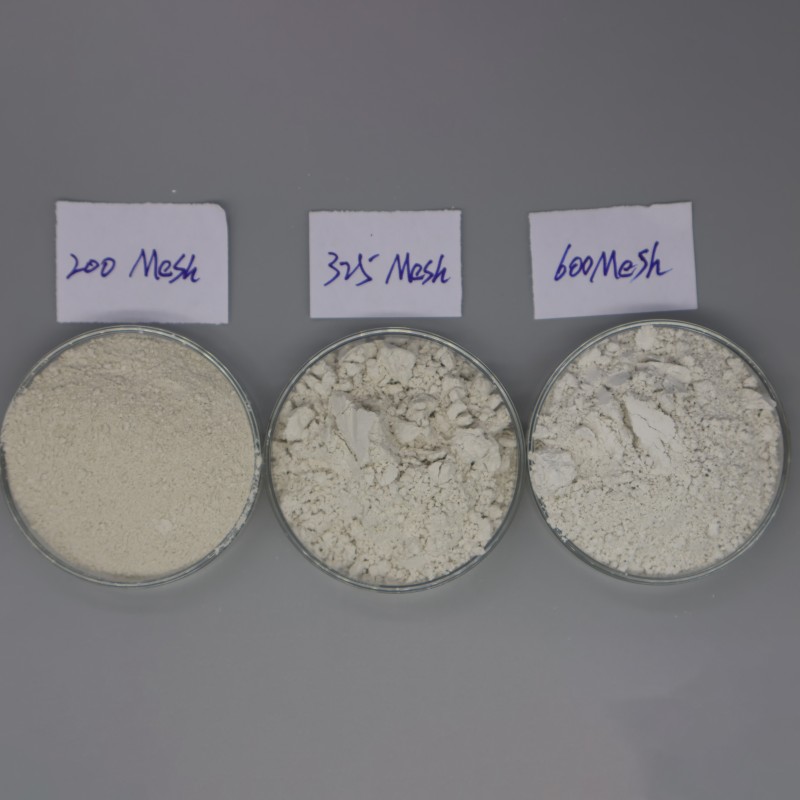
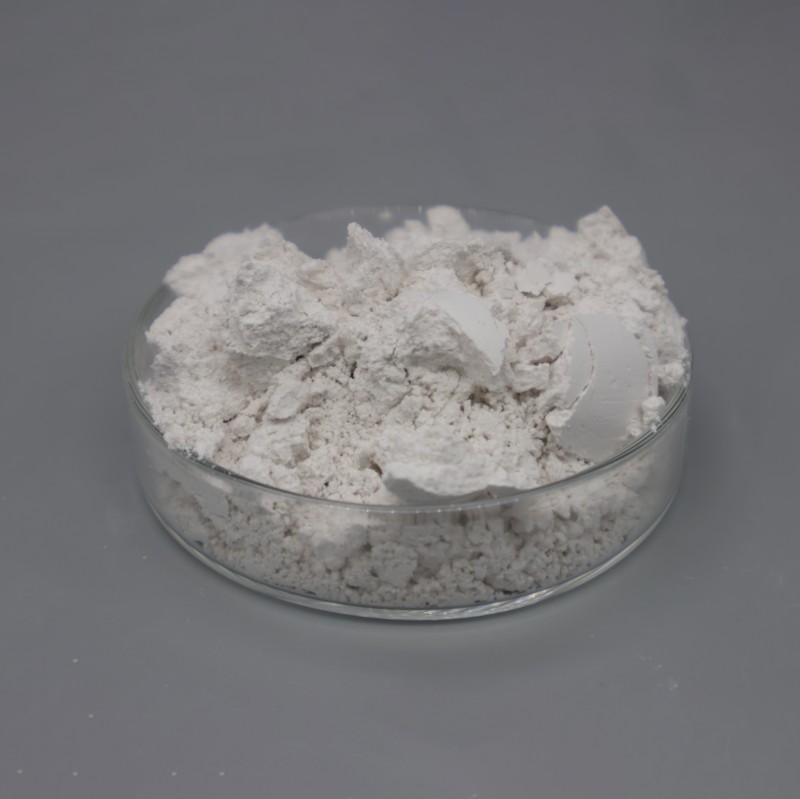
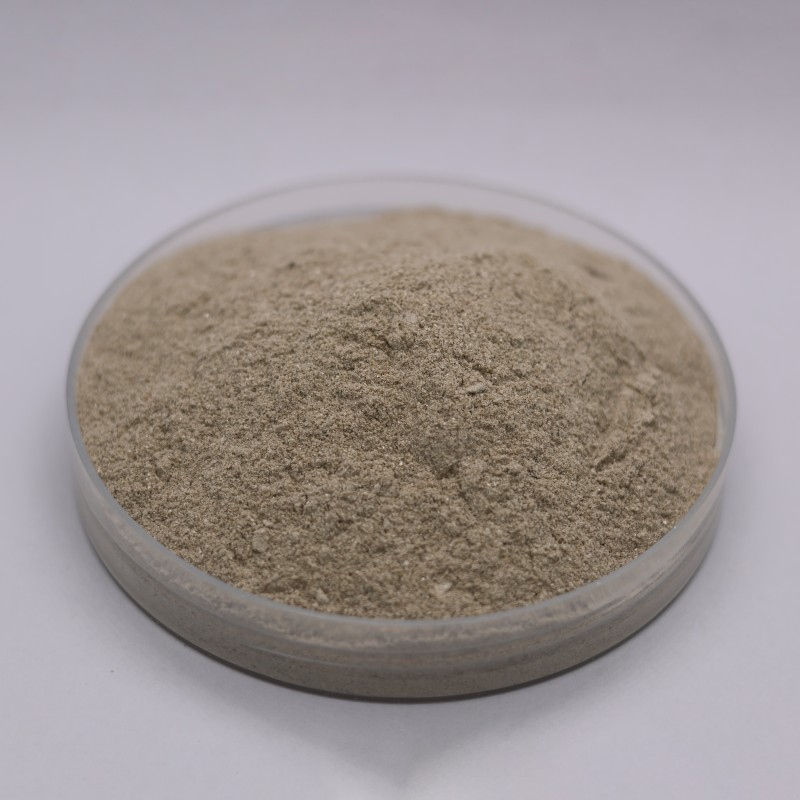
Integrating ultrafine tourmaline powder (typically processed from 325 mesh up to 3000 mesh) into cementitious and hydraulic lime matrices introduces significant physical and chemical advantages:
-
Hydration Crystal Growth Optimization: The polar electrostatic field of tourmaline aligns adjacent water molecules and cement ions ($Ca^{2+}, Al^{3+}, SO_4^{2-}$), speeding up the nucleation of Calcium Silicate Hydrate (C-S-H) gels and ettringite during initial curing. This reduces micro-bleeding and boosts 3-day and 7-day compressive strength.
-
Capillary Pore Refinement & Efflorescence Mitigation: By packing into interstitial voids between Portland cement particles and quartz sand, micronized tourmaline creates a tortuous pore network. This drastically curbs the capillary migration of free calcium hydroxide ($Ca(OH)_2$) to the plaster surface, virtually eliminating white salt crystallization (efflorescence/blooming) on colored facade mortars.
-
Thermal Conductivity in Floor Screeds: In self-leveling underfloor heating screeds, tourmaline's high far-infrared radiation coefficient facilitates uniform thermal transmission, minimizing thermal stress cracking and reducing energy consumption by up to 8–12% in radiant floor heating systems.
-
Bacteriostatic and Mildew-Resistant Matrix: By continuously radiating infrared wavelengths and releasing negative oxygen ions, tourmaline-doped mortars inhibit the metabolic activity of fungal spores (such as Aspergillus niger and Penicillium) on damp subterranean walls and bathroom tile adhesives.
4. Recommended Engineering Specifications for Construction Applications
Selecting the optimal grain gradation and purity is essential for balancing mechanical mortar rheology and maximum functional anion output. The table below outlines the industrial parameters across key construction formulations:
| Mortar / Construction Application |
Recommended Mesh Size |
Typical Dosage (wt%) |
Negative Ion Emission (ions/cm³·s) |
Primary Technical Benefit |
| Interior Ecological Skim Coat & Putty |
1250 – 3000 Mesh |
1.5% – 4.0% |
2,000 – 4,500 |
Air purification, formaldehyde breakdown, smooth finish |
| Radiant Floor Heating Screed |
325 – 600 Mesh |
2.0% – 5.0% |
1,200 – 2,200 |
High thermal conductivity, uniform far-infrared heat dispersion |
| Anti-Efflorescence External Plaster |
600 – 1250 Mesh |
1.0% – 3.0% |
1,500 – 2,800 |
Pore refinement, water repellency, weather resistance |
| Tile Grout & Waterproof Slurry |
800 – 2000 Mesh |
1.0% – 2.5% |
1,800 – 3,200 |
Anti-mold, bacteriostatic barrier, crack isolation |
| Diatom Ooze & Mineral Wall Coatings |
2000 – 5000 Mesh |
3.0% – 6.0% |
3,000 – 6,000+ |
Maximum anion release, humidity regulation, TVOC capture |
5. In-Depth Application Scenarios
A. Ecological Interior Wall Dry-Mix Mortar & Putty
Standard gypsum and cement wall putties contribute nothing to indoor air remediation. When formulators integrate 1250-mesh or 2000-mesh tourmaline powder alongside redispersible polymer powders (RDP) and hydroxypropyl methylcellulose (HPMC), the applied skim coat acts as a permanent catalytic surface. Indoor organic pollutants like formaldehyde released from furniture glues and volatile paint compounds undergo oxidation when contacting active hydroxyl air ions generated by the tourmaline matrix.
B. Thermal Plasters and Radiant Underfloor Screeds
Modern radiant hydronic and electrical underfloor heating designs require screed mortars with superior heat capacity and fast thermal diffusivity. Tourmaline-doped dry-mix screed mortars absorb heat rapidly and emit broad-spectrum far-infrared radiation (8–14 μm), which matches the absorption spectrum of human biological tissue and ambient room objects. This results in faster room heating cycles, lowered boiler load, and a noticeably softer, more comfortable indoor climate.
C. Anti-Microbial Kitchen and Bathroom Waterproofing Mortars
In humid zones, conventional cementitious waterproof slurries are prone to surface microbial biofilm accumulation. Tourmaline's spontaneous weak current (0.06 mA microcurrent) and localized anion clouds create an inhospitable micro-environment for bacterial colonization, rendering tile grouts and backing mortars naturally mold-resistant without resorting to toxic biocides that leach out over time.
D. Heavy-Duty Industrial Floorings & Anti-Static Screeds
In high-tech cleanrooms, electronic assembly facilities, and explosive storage environments, electrostatic accumulation poses catastrophic risks. Incorporating tourmaline powder alongside conductive mica flakes into dry-shake floor hardeners creates an electrostatic dissipative (ESD) pathway, safely draining static charges while providing exceptional abrasion resistance.
6. Future Trajectory: Smart Functional Construction Materials
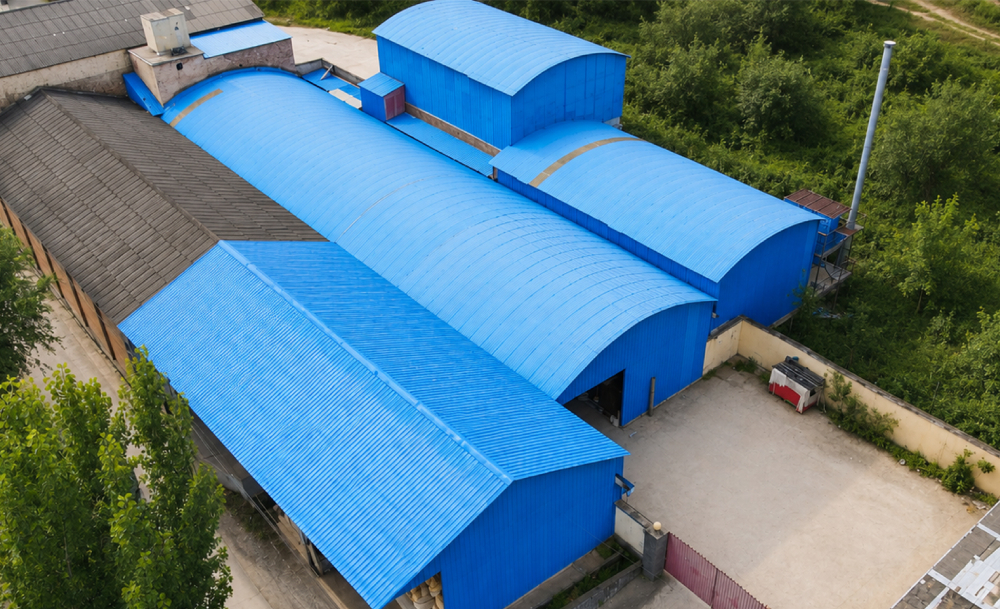
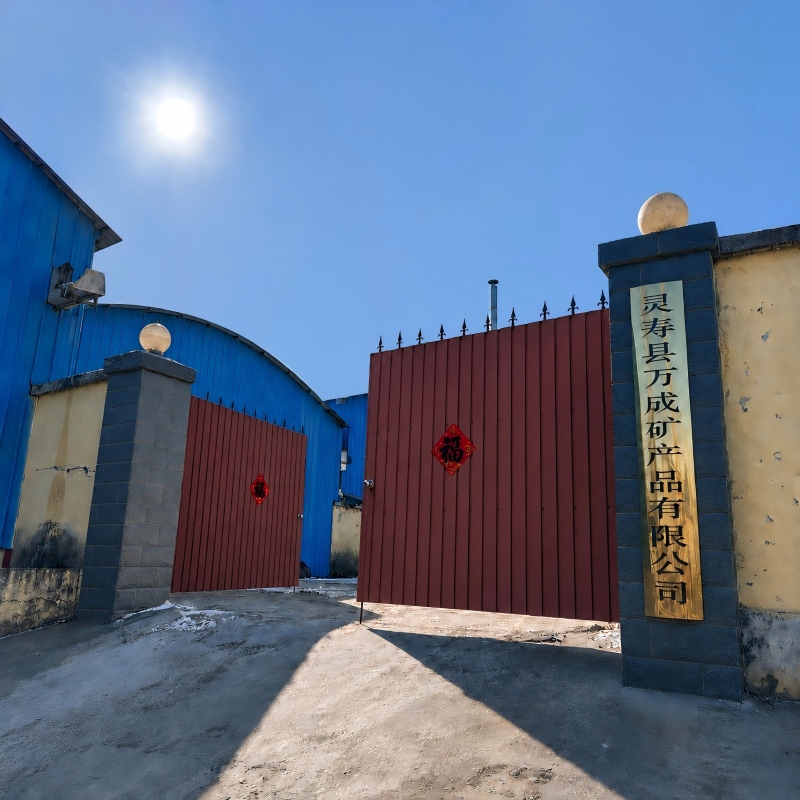
As nanotechnology and automated dry-mix batching systems evolve, the synthesis of hybrid mineral complexes—such as tourmaline-coated diatomite, nano-titanium dioxide ($TiO_2$) doped tourmaline, and exfoliated mica composites—will set new performance benchmarks. Lingshou County Wancheng Mineral Co., Ltd. continues to invest in micro-classification air milling and surface modification technologies, empowering global construction chemical brands to pioneer the next generation of carbon-neutral, self-sanitizing, and health-enhancing building materials.
Technical Questions & Answers
Frequently Asked Questions on Tourmaline Mortar Additives
Does tourmaline lose its negative ion emission over time?
No. Tourmaline is a permanent mineral crystal with spontaneous polarization. Its negative ion emission and far-infrared radiation are intrinsic physical properties that do not degrade, deplete, or require external electrical power.
Does tourmaline powder affect the workability of dry-mix mortar?
When used in recommended proportions (0.5% to 3.0%), tourmaline powder behaves as an inert micro-filler during mixing. It requires negligible water adjustment and is fully compatible with HPMC, PCE superplasticizers, and defoamers.
Can tourmaline powder replace traditional pozzolanic materials?
Tourmaline acts primarily as a functional, micro-crystallization additive rather than a bulk supplementary cementitious material (SCM). It is designed to work synergistically alongside fly ash, slag, and silica fume.
What particle size is best for self-leveling mortar vs wall putty?
For self-leveling and floor screed mortars, 325 to 600 mesh is ideal for optimal rheology and thermal transmission. For interior decorative putties, diatom ooze, and thin skim coats, 1250 to 3000 mesh ensures a silky smooth surface.