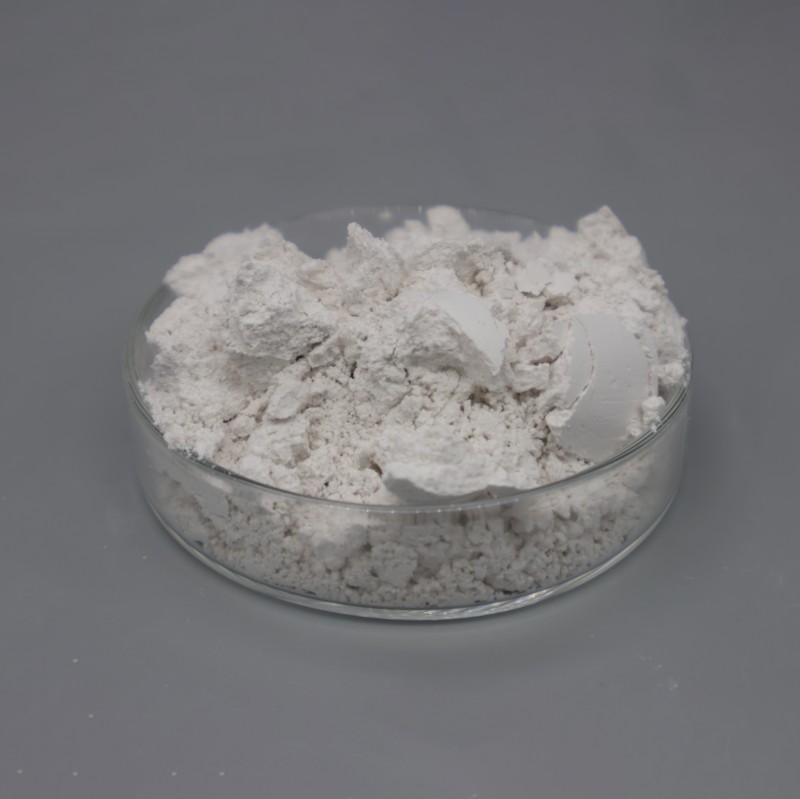
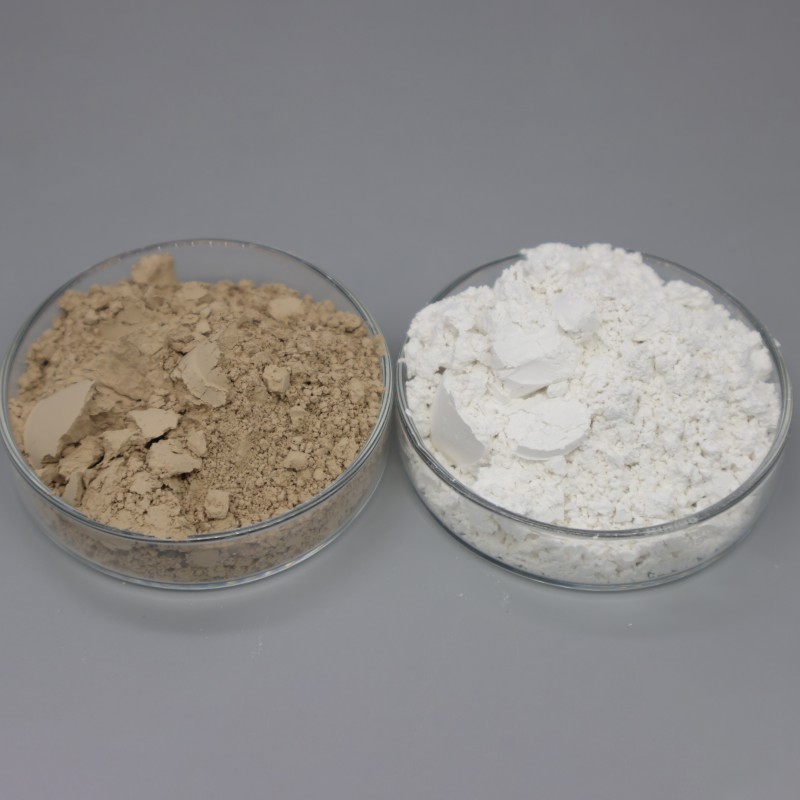
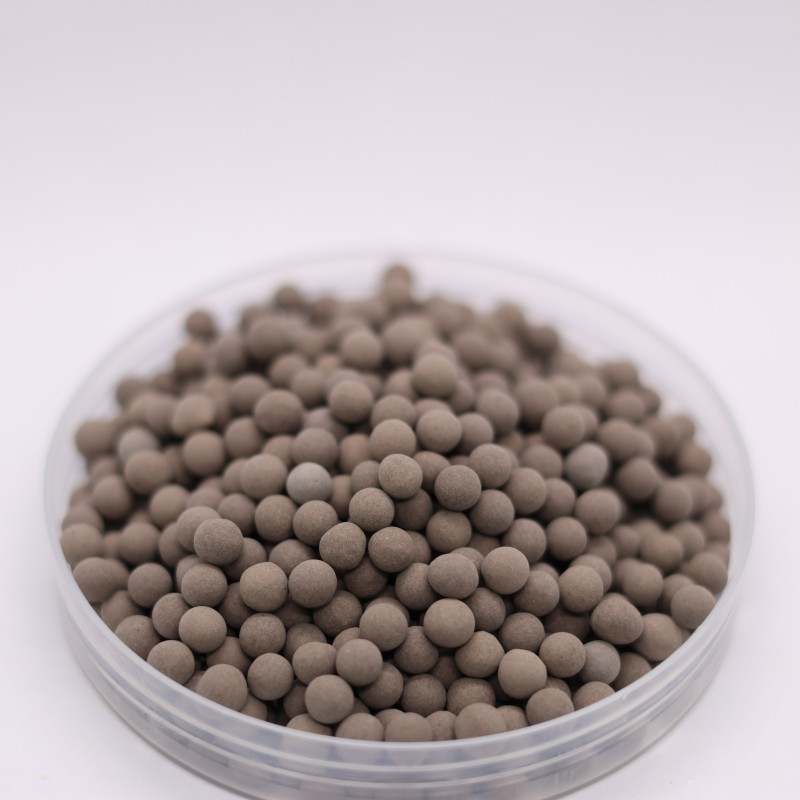
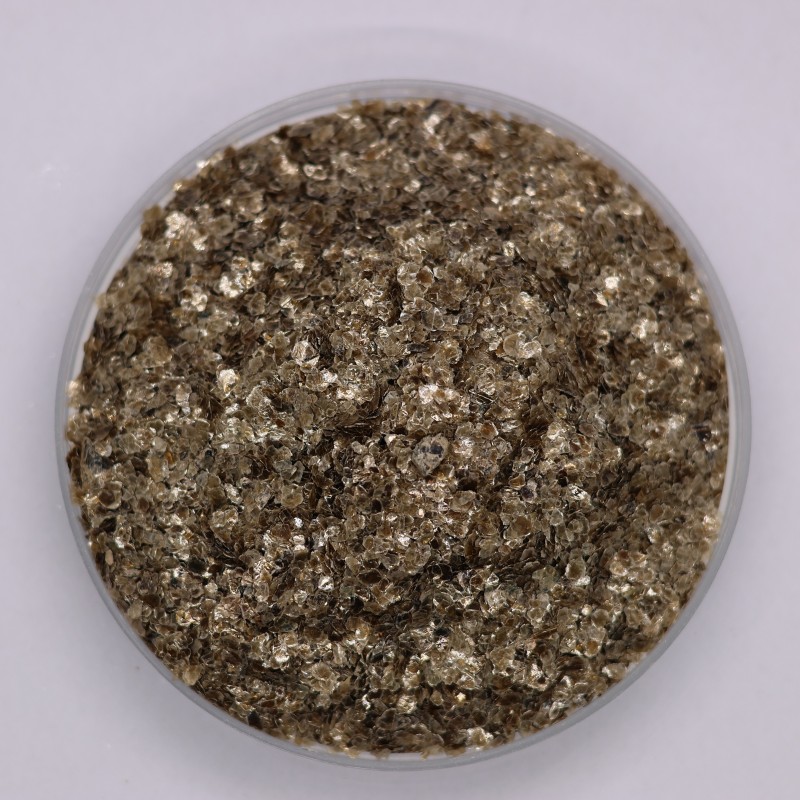
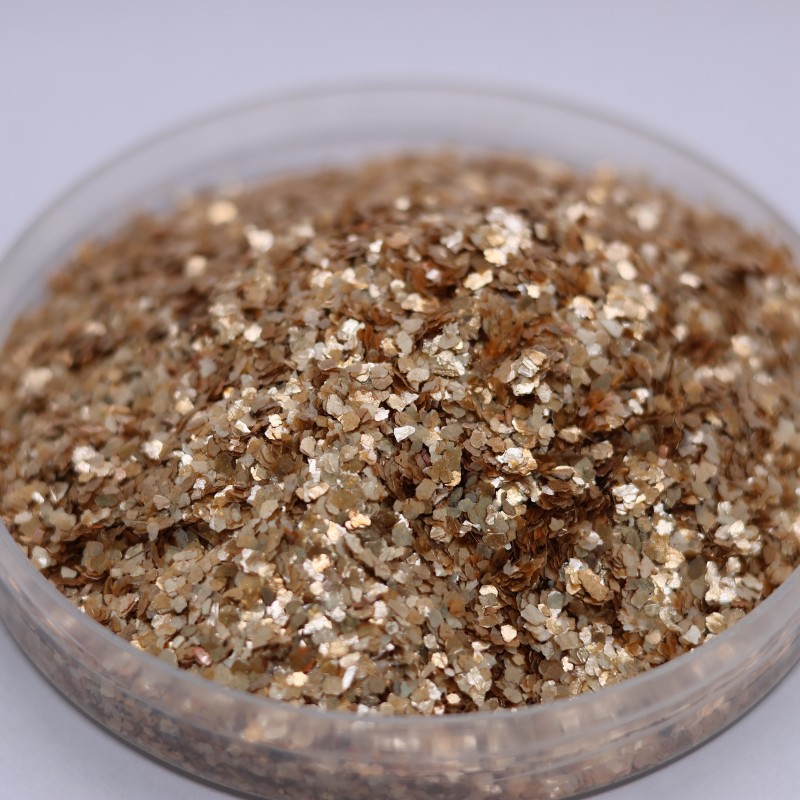
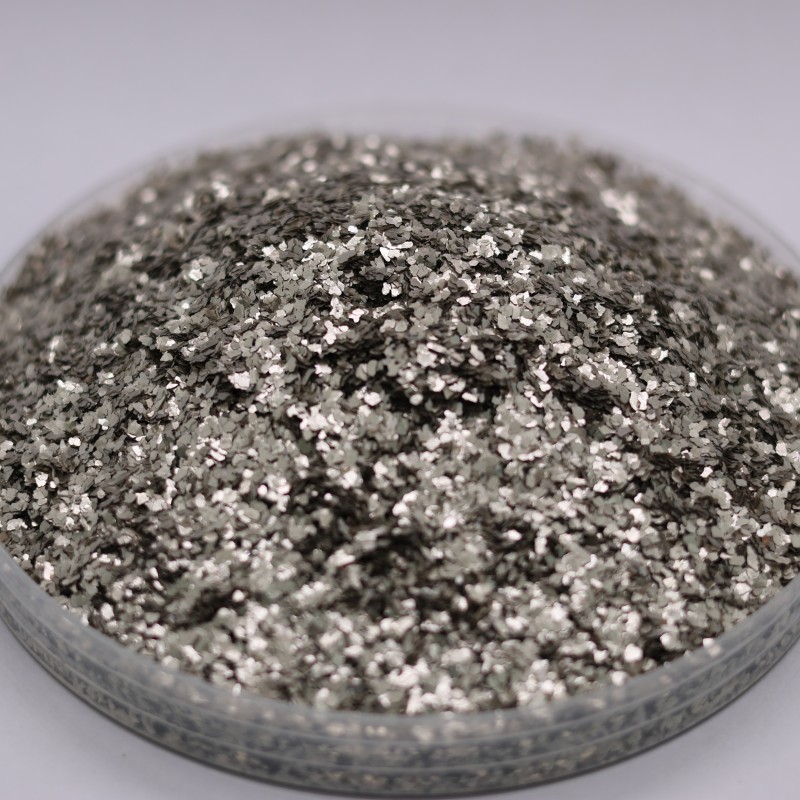
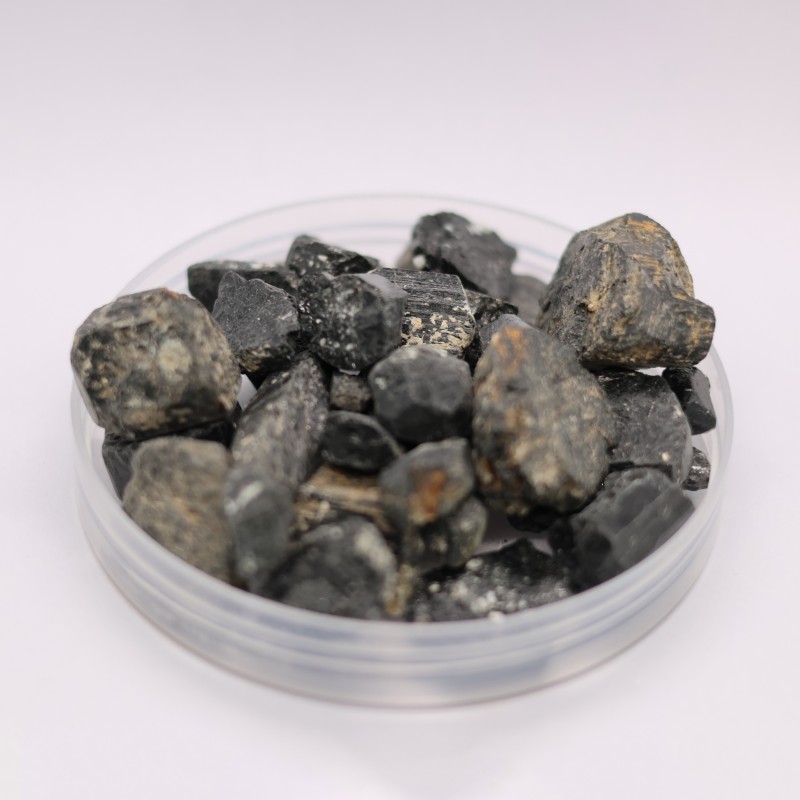
Tourmaline, a naturally occurring silicate mineral with a complex crystalline structure, has emerged as a groundbreaking additive in the global agricultural and horticultural sectors. Characterized by its unique pyroelectric and piezoelectric properties, tourmaline generates a permanent electrode field on its surface. When processed into ultra-fine tourmaline powder and incorporated into seed coatings, greenhouse films, and horticultural growing media, this mineral functions as an environmental catalyst, stimulating biological activity and optimizing growth conditions without the need for synthetic chemical inputs.
In recent years, the commercial and industrial demand for sustainable agriculture has driven researchers and manufacturers to explore functional mineral coatings. Applying tourmaline-infused coatings directly to seeds or cultivating media induces a micro-electric field that interacts with moisture, air, and plant roots. This interaction generates negative air ions (NAIs) and emits far-infrared radiation (FIR) in the wavelength band of 4 to 14 micrometers, which aligns perfectly with the absorption spectrum of water molecules. Consequently, water clusters are broken down into smaller, more bio-available units, significantly enhancing the hydration and nutrient uptake capacity of plants.
"By utilizing the natural electro-magnetic properties of tourmaline, modern horticultural practices can achieve higher crop yields, healthier root systems, and reduced dependency on chemical growth regulators."
To understand the commercial viability of tourmaline powder, it is essential to analyze its application across various agricultural scenarios:
Modern seed treatment involves applying a thin, protective layer of active ingredients, binders, and pigments to the seed surface. Incorporating tourmaline powder into seed coatings creates a beneficial micro-environment directly on the seed coat. The far-infrared emission penetrates the seed coat, stimulating enzymatic pathways responsible for breaking down stored starches into sugars. This results in faster germination rates, uniform seedling emergence, and greater resilience to environmental stressors like drought and salinity.
In commercial horticulture, growing media such as peat moss, coco coir, perlite, and vermiculite are often coated with nutrient-rich solutions. By adding tourmaline powder to these liquid coatings, manufacturers can create "active" growing media. The tourmaline particles act as permanent ionizers within the substrate, preventing nutrient leaching and maintaining a balanced pH level. This is particularly beneficial in hydroponic and aeroponic systems where nutrient solution stability is critical.
When tourmaline powder is dispersed into polymer coatings applied to greenhouse covers, it modifies the light transmission properties. The tourmaline particles scatter incoming solar radiation more evenly, preventing hot spots and ensuring that light reaches the lower canopy of the crops. Additionally, the far-infrared properties of the coating help retain heat inside the greenhouse during cold nights, reducing energy costs for commercial growers.
Coating fertilizers with a layer containing tourmaline powder slows down the dissolution rate of nitrogen and phosphorus. The micro-currents generated by tourmaline prevent the rapid volatilization of ammonia and the immobilization of phosphorus in the soil. This ensures a steady, long-term supply of nutrients to the root zone, maximizing fertilizer use efficiency (FUE) and minimizing environmental runoff.

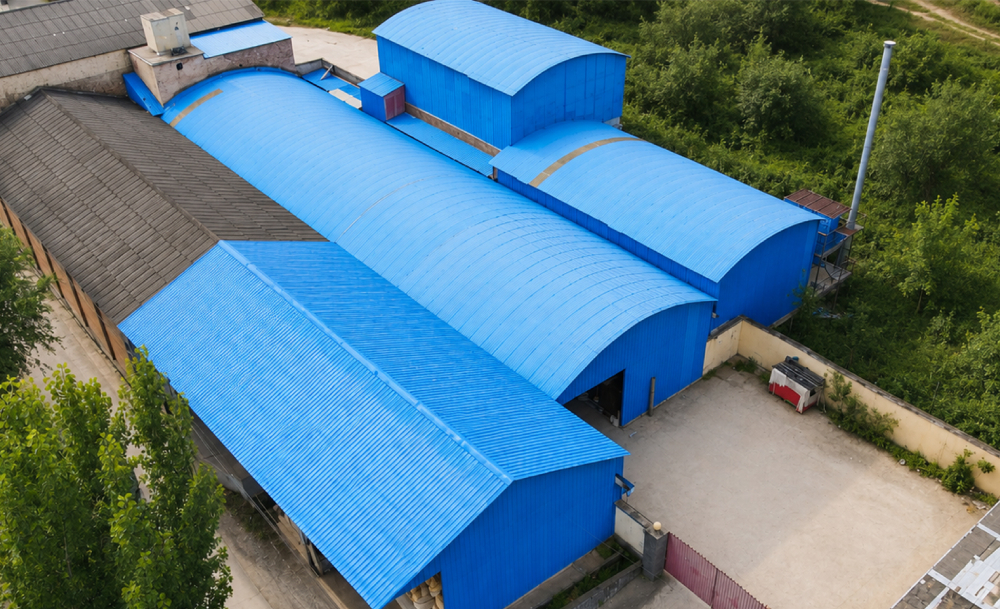
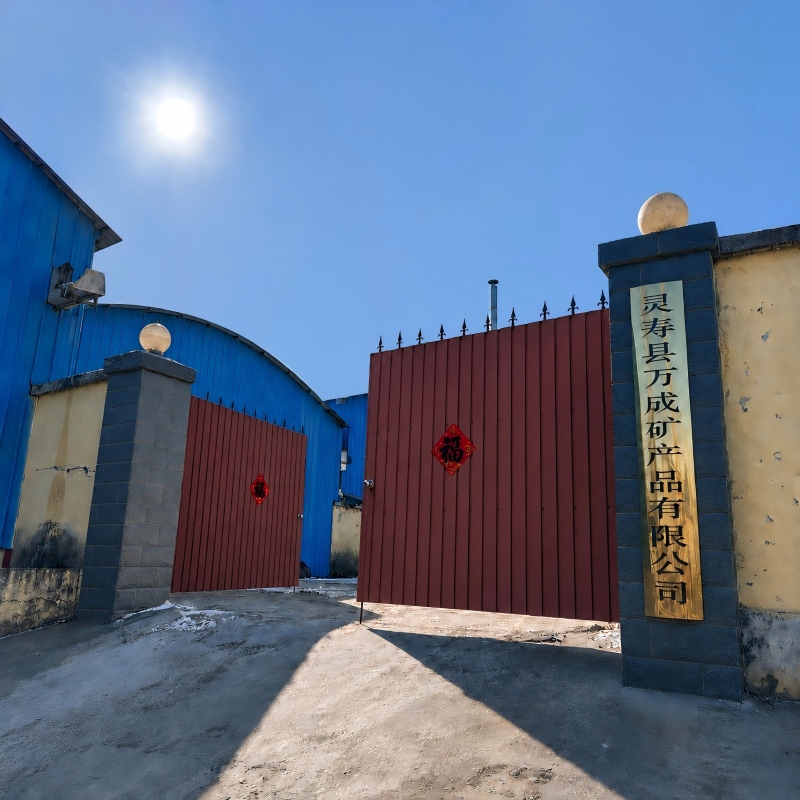
Lingshou County Wancheng Mineral Co., Ltd. is a professional manufacturer and supplier of non-metallic mineral products located in Lingshou County, Hebei Province, China.
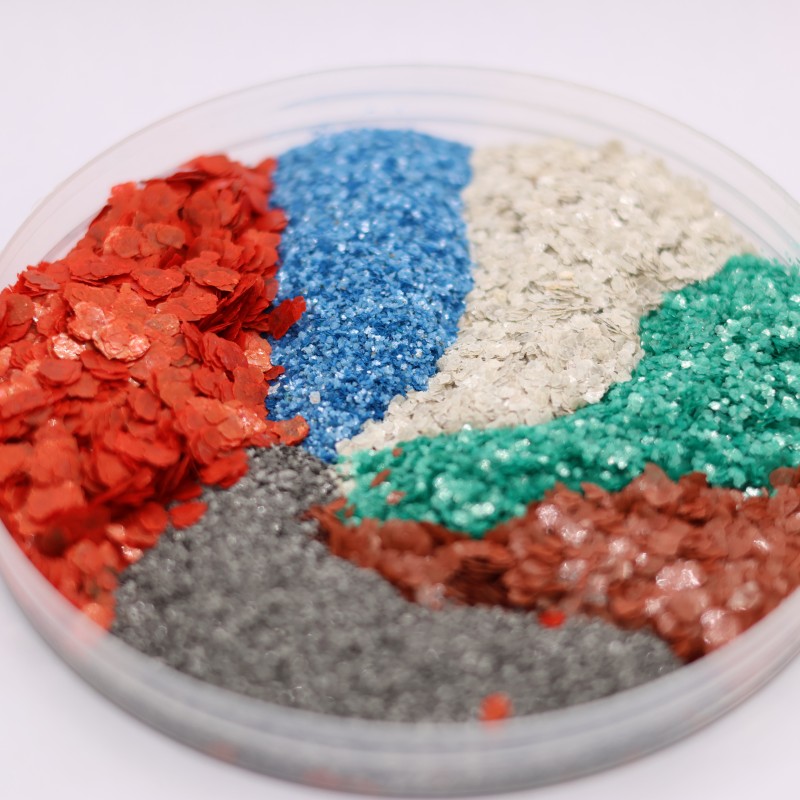
Founded in 2000 and formerly known as Lingshou JingXi KuangChan Processing Factory, we specialize in mica, talc, vermiculite, bentonite, tourmaline, glass beads and glass microspheres.
With extensive experience in mineral processing and international trade, we provide various grades, particle sizes and packaging options. Our products are exported to Europe, North America, Japan, South Korea and other international markets.
Enhancing soil structures, seed germination coatings, and growing media performance with functional mineral powders.
Providing structural reinforcement, thermal insulation, and chemical resistance to industrial paint formulations.
High-grade bentonite and mica minerals designed for fluid loss control and high-temperature casting stability.
Functional fillers that improve tensile strength, dimensional stability, and heat resistance in composite plastics.
Premium glass beads and abrasive materials providing optimal retroreflectivity and efficient surface preparation.
Reinforcing agents that enhance wear resistance, elasticity, and durability in various rubber compounds.
The global agricultural sector is facing unprecedented challenges: soil degradation, water scarcity, and the urgent need to reduce chemical runoff. Consequently, multinational agricultural tech companies are shifting focus towards biological and mineral-based soil conditioners. Tourmaline powder, with its multi-functional physical properties, is positioned at the forefront of this green revolution.
From a commercial perspective, the market for functional agricultural coatings is projected to grow at a CAGR of over 7.5% in the coming decade. North America and Europe remain the primary consumers of high-tech seed coatings, while the Asia-Pacific region is experiencing rapid growth due to the adoption of advanced horticultural techniques in greenhouse farming. The integration of tourmaline into commercial growing media offers a high-margin opportunity for mineral processors and agricultural input manufacturers alike.
Furthermore, regulatory bodies worldwide are tightening restrictions on synthetic agricultural chemicals. This regulatory shift has forced R&D departments to seek natural alternatives that do not compromise yield quality. Tourmaline powder, being non-toxic, chemically stable, and physically active, meets all organic and sustainable farming criteria, making it an ideal candidate for next-generation crop nutrition and protection systems.
Recommend suitable mica, talc, bentonite, quartz, glass beads or tourmaline products according to application.
Support common mesh sizes and customized powder specifications for different industries.
Prepare TDS, MSDS, COA samples and packaging information for buyer review.
Provide 25kg bags, jumbo bags, pallets and customized packaging for international shipments.
Application, particle size, specification, quantity, packaging and destination port.
Recommend suitable product grade and related technical information.
Arrange sample review and testing according to buyer requirements.
Powder processing, inspection, bagging, palletizing and export packaging.
Coordinate shipping documents, loading and delivery according to trade terms.
Clear product specifications, batch inspection and quality records help maintain stable supply from sample approval to repeat orders.
Production planning and order coordination help support consistent lead times for regular purchases and repeat orders.
Packaging, labeling, palletizing and loading arrangements can be coordinated according to product, order and destination requirements.
Support technical and commercial documents, container loading, shipment arrangements and order follow-up under agreed trade terms.
The future of tourmaline powder in agricultural coatings lies in nanotechnology and hybrid composite materials. By reducing tourmaline particle sizes to the sub-micron or nano-scale, the surface area increases exponentially. This dramatically boosts the electrostatic charge density and the rate of negative ion generation per unit mass. Consequently, smaller dosages of nano-tourmaline can achieve the same biological effects as larger amounts of standard powder, saving costs for coating formulators.
Additionally, synergistic formulations combining tourmaline with other functional minerals like calcined mica and bentonite are gaining traction. For instance, mica provides structural barrier properties and UV protection in greenhouse films, while tourmaline adds thermal retention and light-scattering capabilities. When combined in seed coatings, bentonite acts as a moisture retention agent, while tourmaline stimulates the physiological growth pathways of the seed.
As global supply chains demand more accountability, Lingshou County Wancheng Mineral Co., Ltd. continues to refine its processing techniques. By ensuring precise particle size distribution and maintaining rigorous quality control, we enable international buyers to integrate our minerals seamlessly into highly sensitive agricultural chemical systems. Our commitment to sustainability and innovation guarantees that our tourmaline products remain at the cutting edge of agricultural technology.